Why My Hero Is Frank West
This may surprise some readers. It may confuse others. But my journalism hero is not a household name, nor a figure etched into the marble halls of legacy media. He is not a columnist with a syndicated platform, nor a pundit rewarded for proximity to power.
People expect journalists to say Woodward or Cronkite.
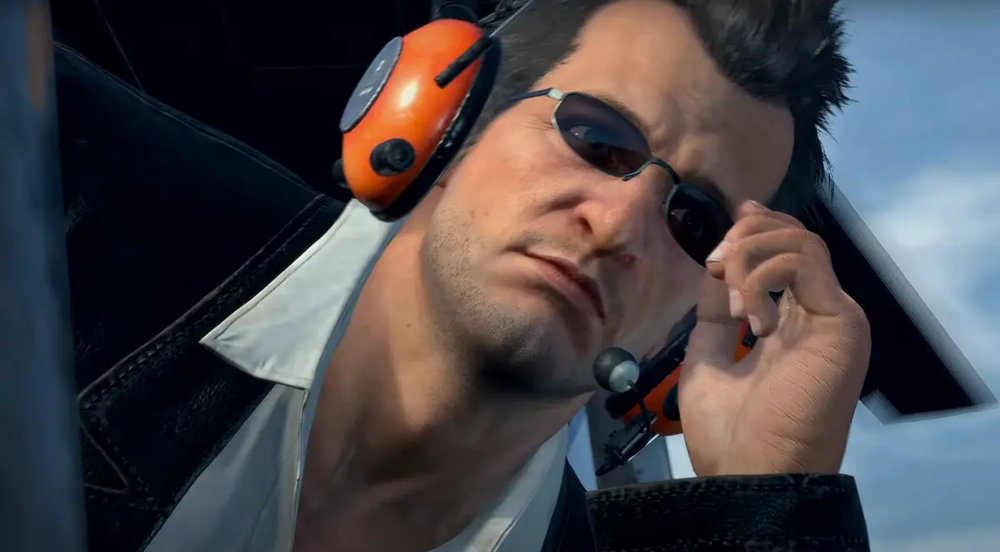
Not me. My journalism hero is Frank West from Dead Rising.
On the surface, that sounds absurd. Frank West is a fictional character in a video game about a zombie outbreak in a shopping mall. But look past the chainsaws and the absurdity, and what you find is a strikingly honest portrait of what independent journalism actually looks like when the institutions fail.
Frank West is a freelancer
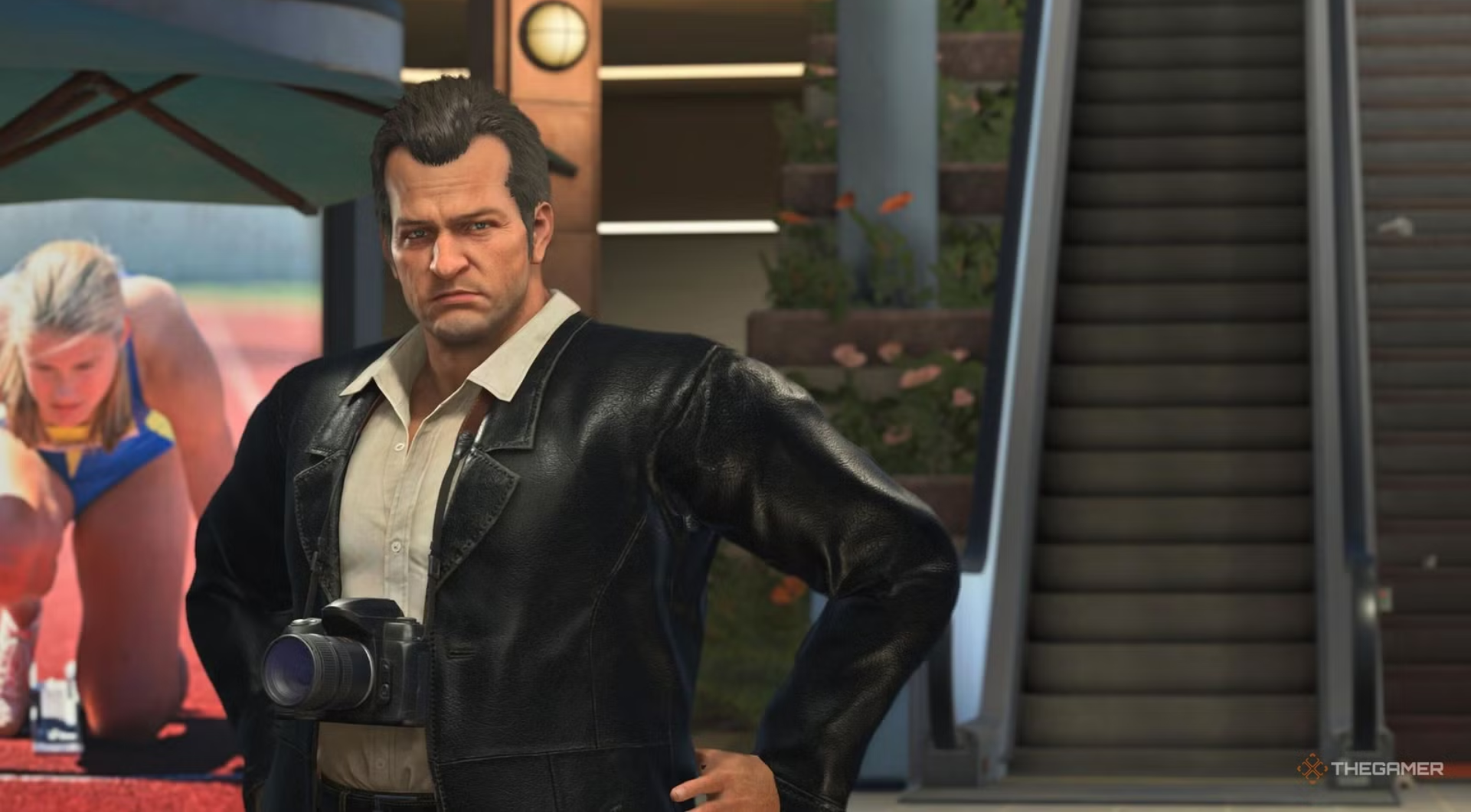
That detail matters. He isn't sent to Willamette, Colorado, by a major network. He isn't backed by a corporate legal team. He isn't protected by credentials that automatically open doors. He arrives alone, with his own equipment, his own judgment, and his own sense of responsibility. No one clears his questions. No one tells him which angles are “appropriate.” He is there because he chose to be.
That is journalism.
Frank doesn't show up because it's safe. He shows up because he knows something is wrong. He senses a story others are avoiding, and he goes anyway. He doesn't wait for permission from authorities who are actively hiding the truth. He doesn't defer to officials who insist everything is under control while the evidence says otherwise. He documents what he sees, not what he is told to see.
That, too, is journalism.
One of the most telling aspects of Frank West's character is that he is largely ignored by institutions of power. The military doesn't help him. Government officials stonewall him. Corporate actors deflect blame. Sound familiar? In Dead Rising, the official response to the zombie outbreaks is denial, obfuscation, and containment—not accountability.
Frank operates outside the system
Frank doesn't pretend the system will save itself. He works around it.
For anyone who has tried to do independent reporting as a new-age journalist, this hits close to home. When you don't have the backing of legacy media, you learn quickly that truth does not travel upward on its own. You have to carry it yourself.
Frank's camera is his weapon. Not because it gives him power over people, but because it preserves evidence. Every photograph he takes is proof that something happened, that someone suffered, that the official story is incomplete or false. He understands that memory is political. If you don't document reality, someone else will rewrite it.
That lesson matters more now than ever.
We live in a media environment obsessed with narratives over facts, access over accountability, and optics over outcomes. Too often, journalism has become about protecting reputations rather than challenging them. Frank West doesn't care about reputation. He cares about the record.
He pays a price
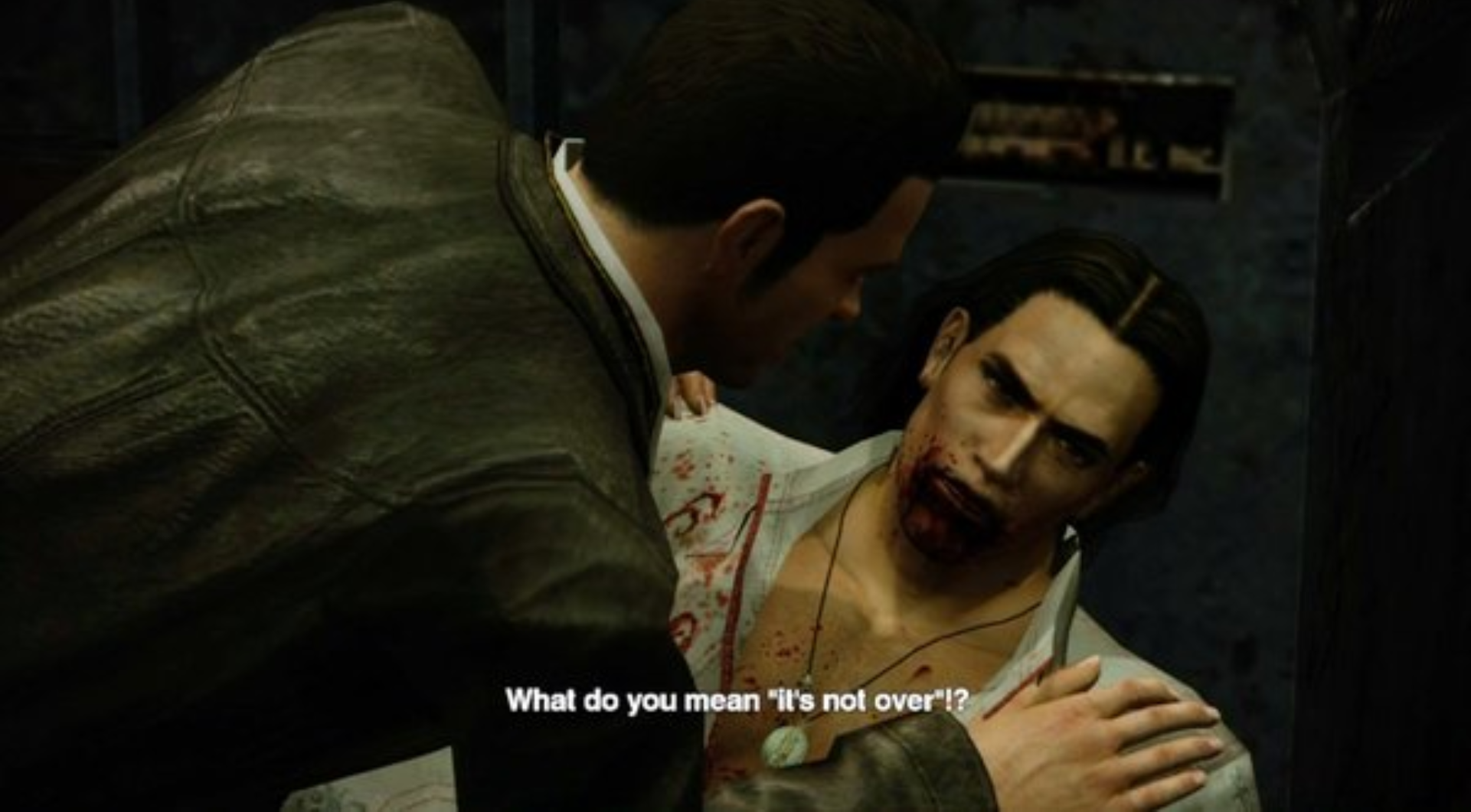
Frank doesn't just document horror; he is forced to confront complicity, grief, and moral ambiguity. Carlito Keyes, one of the game's central antagonists, is not a mustache-twirling evil figure. He is a radicalized survivor of a government atrocity. His violence is wrong, but his anger is not baseless.
Frank doesn't dismiss that complexity. He absorbs it.
By the end of Dead Rising, Frank West is no longer just a guy with a camera chasing a scoop. He is changed. He understands that journalism is not simply about exposure, but about responsibility. About what you carry with you after the story breaks—and what you choose to remember.
That growth is made explicit in Dead Rising 2: Case West.
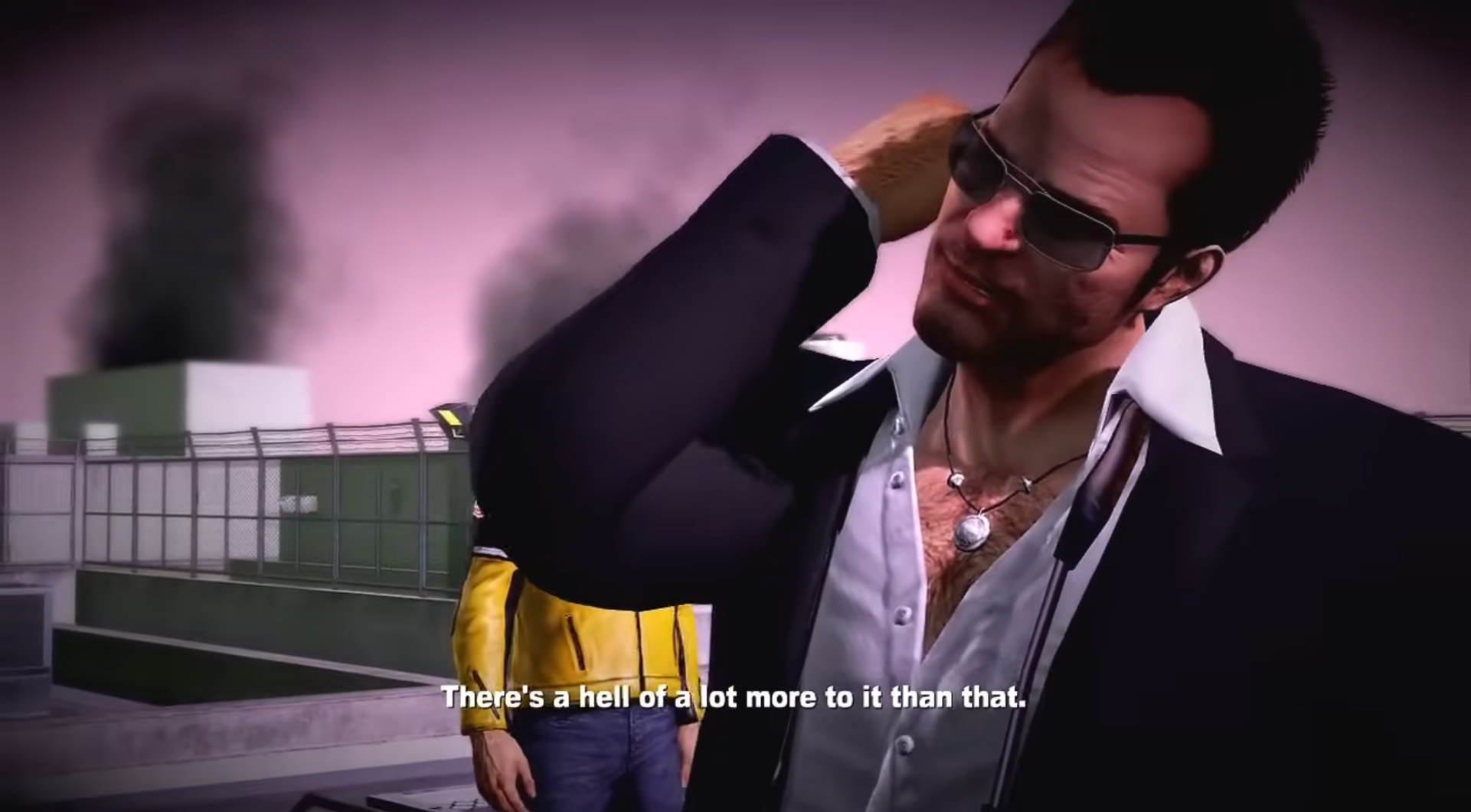
In Case West, Frank returns older, more grounded, and more guarded. He is no longer chasing fame or validation. He works alongside Chuck Greene, not as a reckless freelancer, but as someone who understands the cost of failure. And crucially, Frank wears Carlito's necklace.
That necklace matters.
It is a quiet but powerful symbol. Frank carries it as a reminder of the truth behind the outbreak at Willamette, Colorado. It represents the stories institutions want buried. The people whose suffering gets written off as collateral damage. The uncomfortable reality that sometimes the “official narrative” is itself a lie.
For a journalist, that symbolism hits hard.
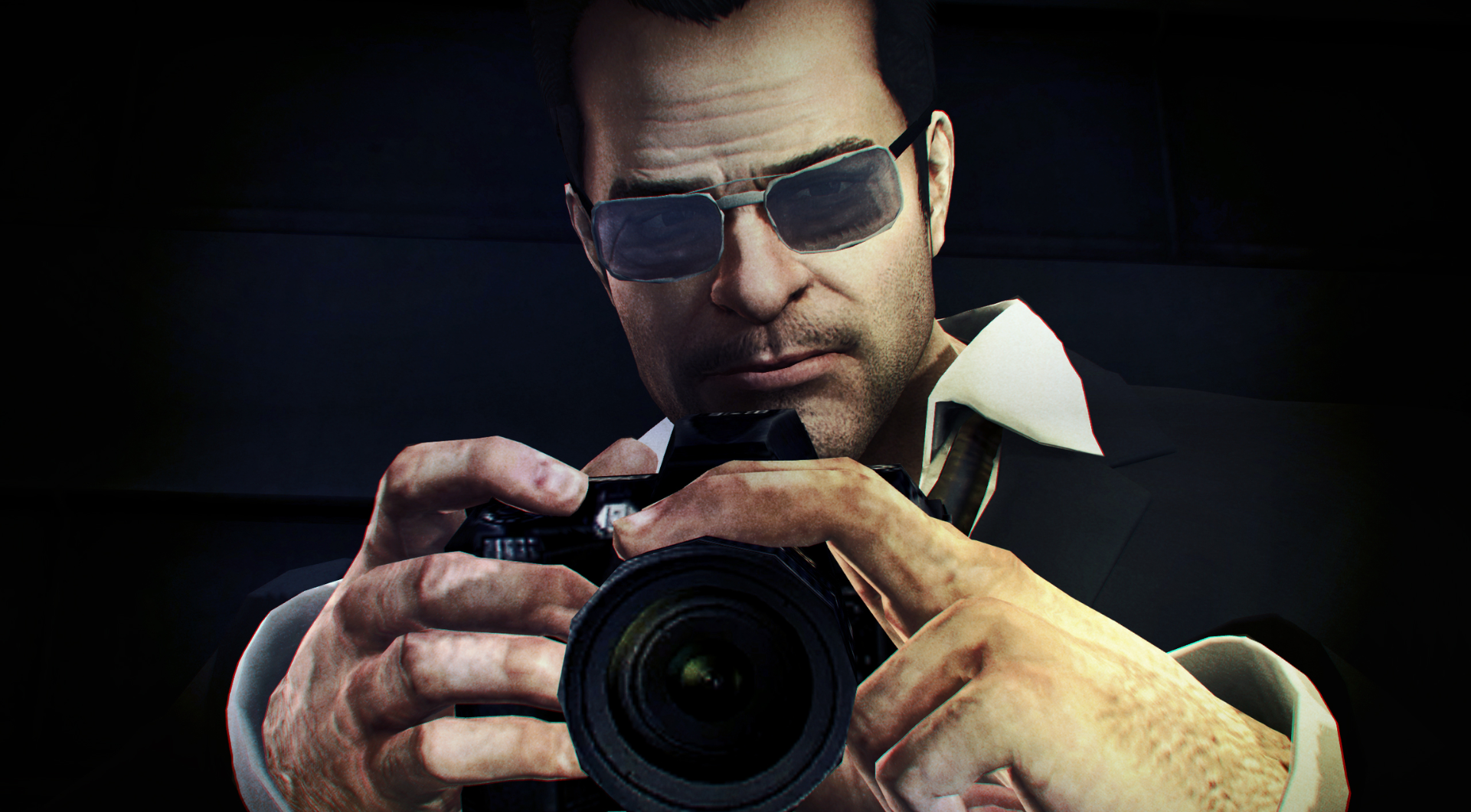
Frank is not glamorous. He is exhausted. He is under-resourced. He is constantly racing the clock. He makes mistakes. He misses things. He has to choose which stories to pursue because he cannot chase them all. That, too, feels familiar.
Independent journalism is not a heroic march. It's triage. You decide what matters most, knowing you will be criticized for what you didn't cover as much as for what you did. Frank's world forces those choices into the open. So does real journalism.
What speaks to me most about Frank West is not that he “covers wars,” as the joke goes, but that he refuses to look away. Even when the story is ugly. Even when the truth implicates people who claim to be protectors. Even when no one is promising him recognition for it.
He doesn't ask whether telling the story will make him popular. He asks whether it is true.
That ethos is why Frank West resonates with me as a journalist. Not because he is fictional, but because he embodies the spirit of journalism before it became over-managed, over-polished, and afraid of its own shadow.
Frank West reminds us that journalism is not about prestige. It's about presence. Showing up. Paying attention. Recording reality when others would rather it disappear.
That is the kind of journalism worth defending.
— Will Adams
Editor, The Provincial Times