ADAMS: Floor-Crossing, Party Branding, and What Voters Are Supposed to Tolerate
Canadian politics prides itself on being boring, predictable, and stable. We're supposed to be reassured by that. Our leaders don't scream, our institutions don't collapse, and our elections generally proceed according to script. Yet every so often, something happens that reminds us that our supposedly “dependable” system is built on an enormous amount of informal trust, and that trust is much easier to abuse than anyone wants to admit.
Floor-crossing is one of those reminders.
I had been thinking a lot about it after hearing Nate Erskine–Smith speak at York University, and then chatting with him informally afterward. Nate is an interesting figure precisely because he's treated as the rare “independent-minded Liberal,” which is a phrase that only really exists in a country with aggressive party discipline or very weak MPs. His critics think he's performative; his fans think he's principled. As usual, the truth probably lives in the awkward middle space between those labels.
After the formal questions wrapped and everyone moved toward pizza and small talk, I asked him something I've wondered for years: what do you think about Kevin Vuong?
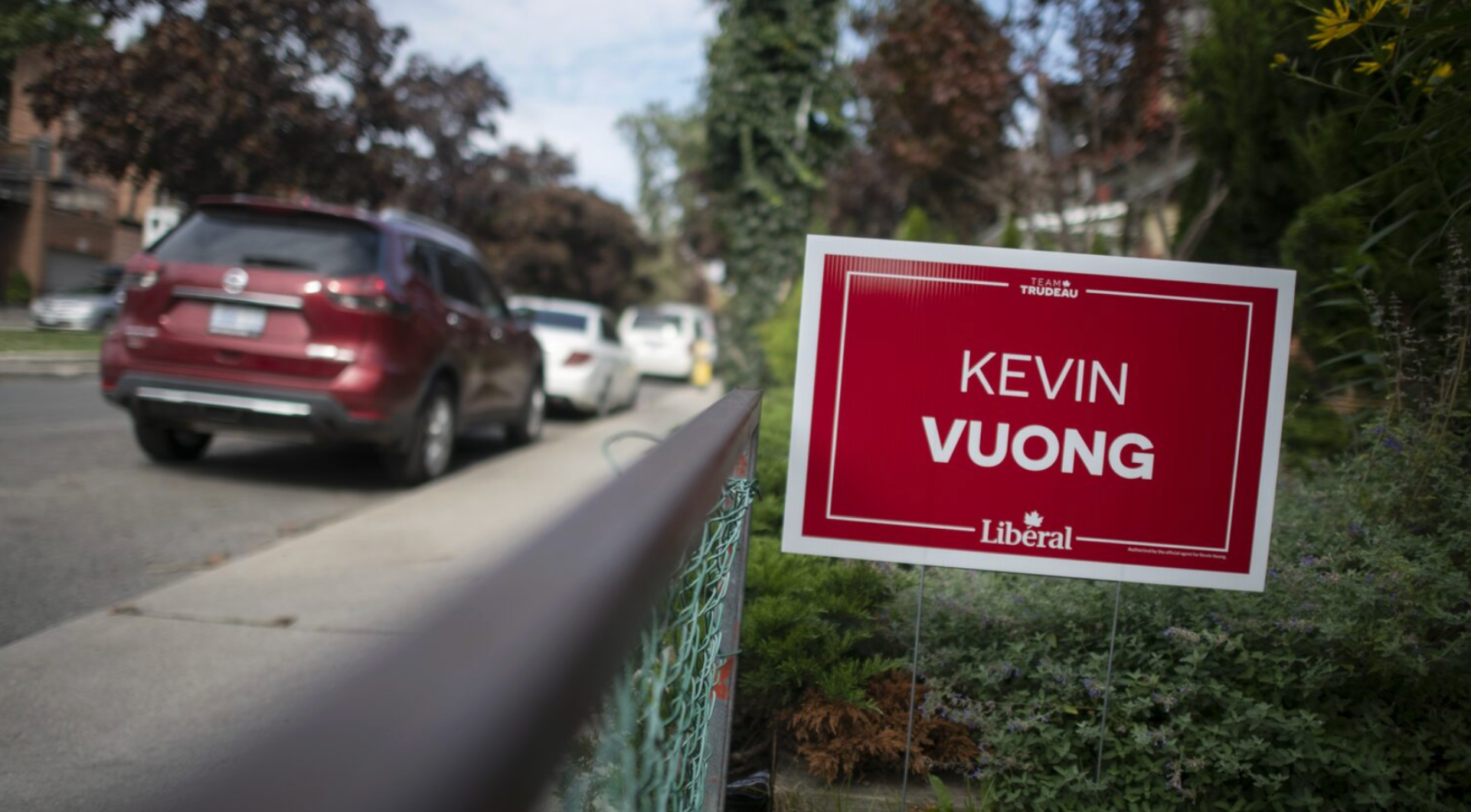
For anyone who doesn't follow Toronto politics the way some people follow sports scores, Vuong was the 2021 Liberal candidate in Spadina—Fort York. Serious allegations from his past surfaced late in the campaign. The party withdrew its support. The ballots had already been printed. He won anyway and took his seat as an independent.
Then, in the years that followed, he tried—unsuccessfully—to reposition himself as a Poilievre Conservative, and eventually resigned, leaving behind what can charitably be described as a single-issue, controversy-defined parliamentary career.
Nate's answer was straightforward. He had barely interacted with Vuong. He didn't admire the way Vuong handled himself. And, crucially, he felt Vuong should have resigned because voters had intended to elect a Liberal, not an independent.
It was a clear moral argument: the mandate belongs to the party label.
But here's where things get messy and revealing.
When “principle” depends on who benefits
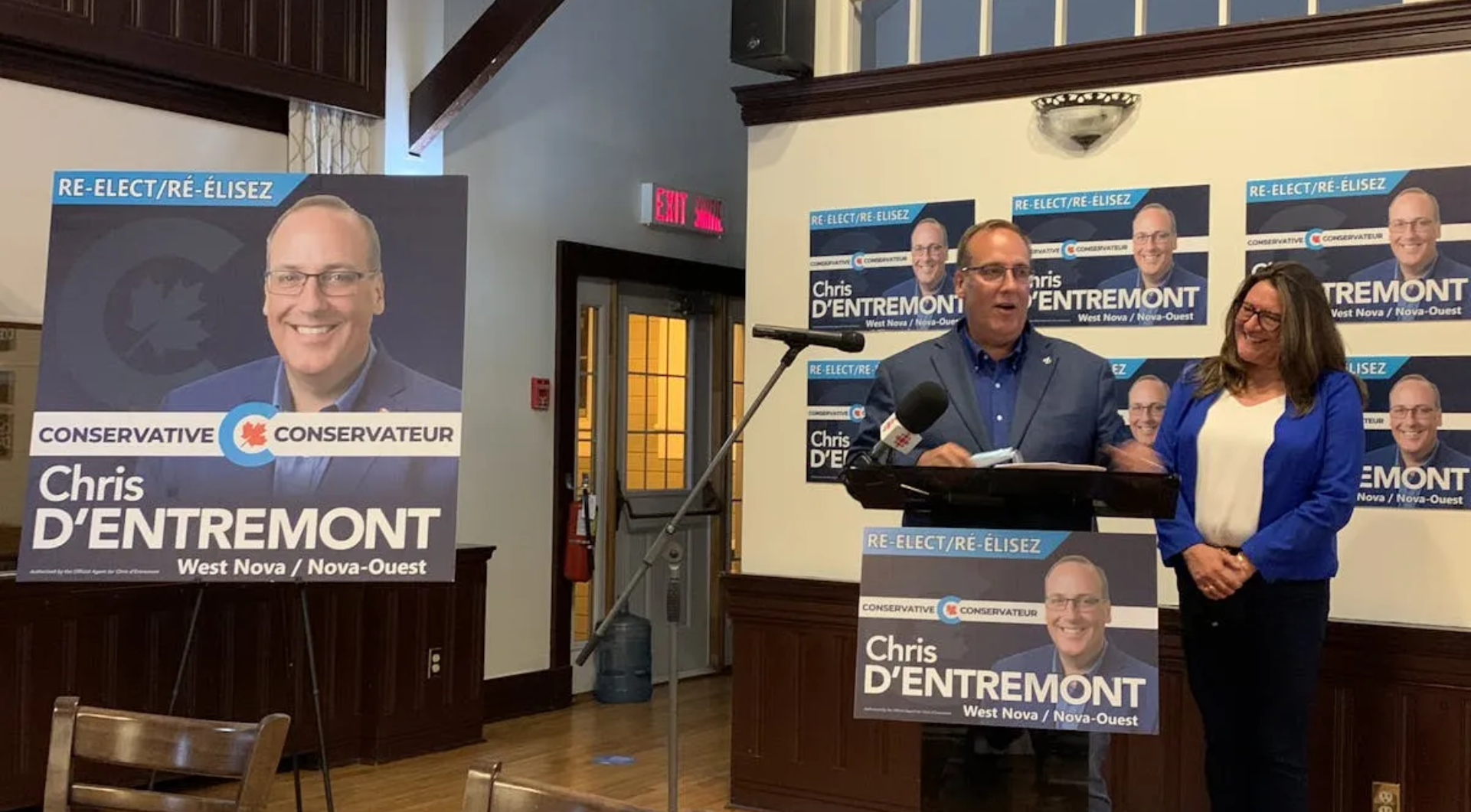
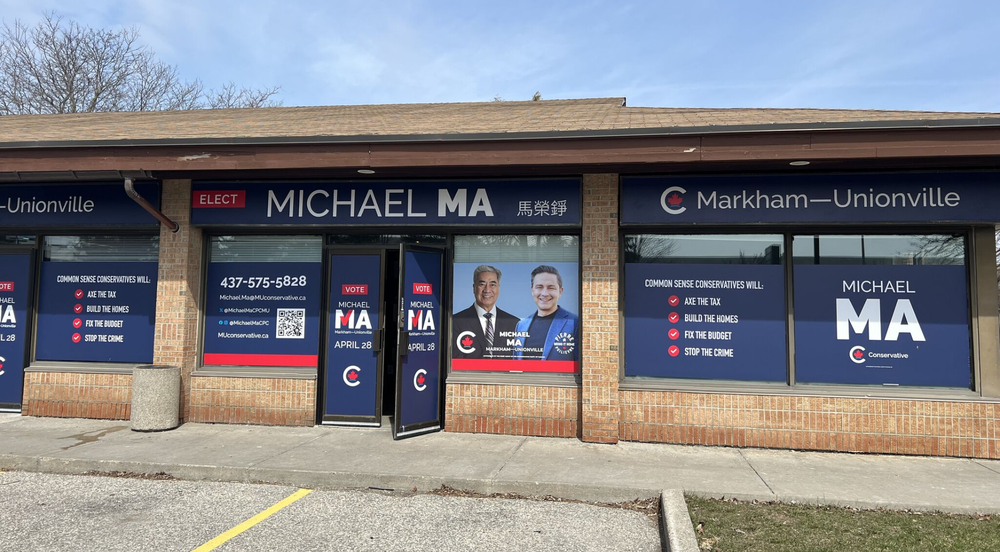
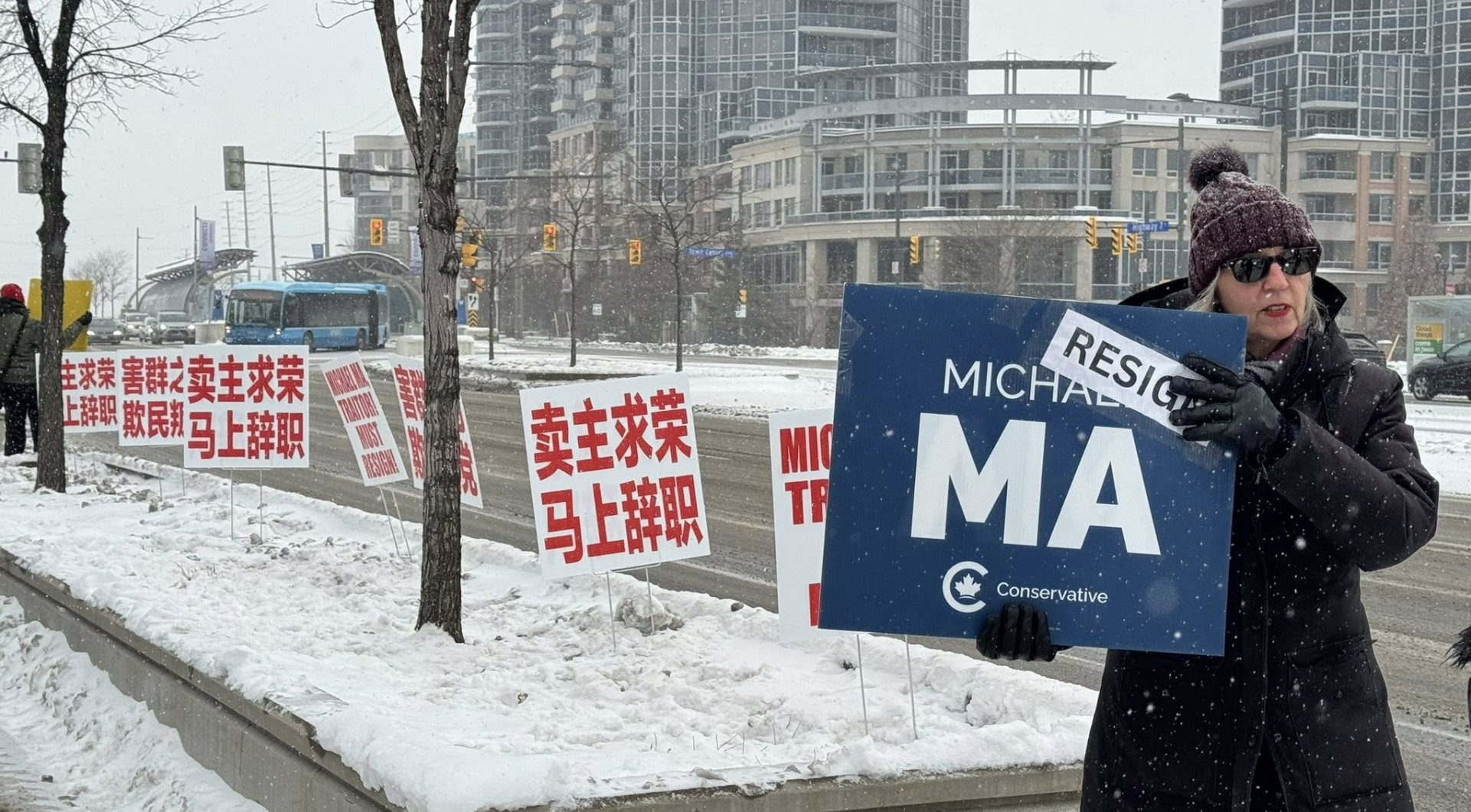
Just days before our conversation, former Conservative MP Chris d'Entremont crossed the floor to join the Liberals. A short time later, Michael Ma, elected explicitly as a Poilievre Conservative in Markham—Unionville, did the same. Cue the predictable parliamentary theatrics. Liberals celebrated the wisdom of conscience; Conservatives fumed about betrayal.
If the scenario had been reversed, the script would have been reversed along with it.
Many Liberals will say Canadians “don't understand” our system when they instinctively recoil from this. I think Canadians understand it quite well. They know the ballot has two names: the one they recognize and the one they're told represents the overall worldview they're endorsing. The reality of the system is that they're voting for both—and the ambiguity is entirely deliberate.
Nate's argument in regards to Vuong—voters expected a Liberal—is only controversial when it's applied consistently. By that standard, d'Entremont and Ma also owed their voters another trip to the polls.
Yet, oddly, I didn't hear many Liberals making that case. I heard applause.
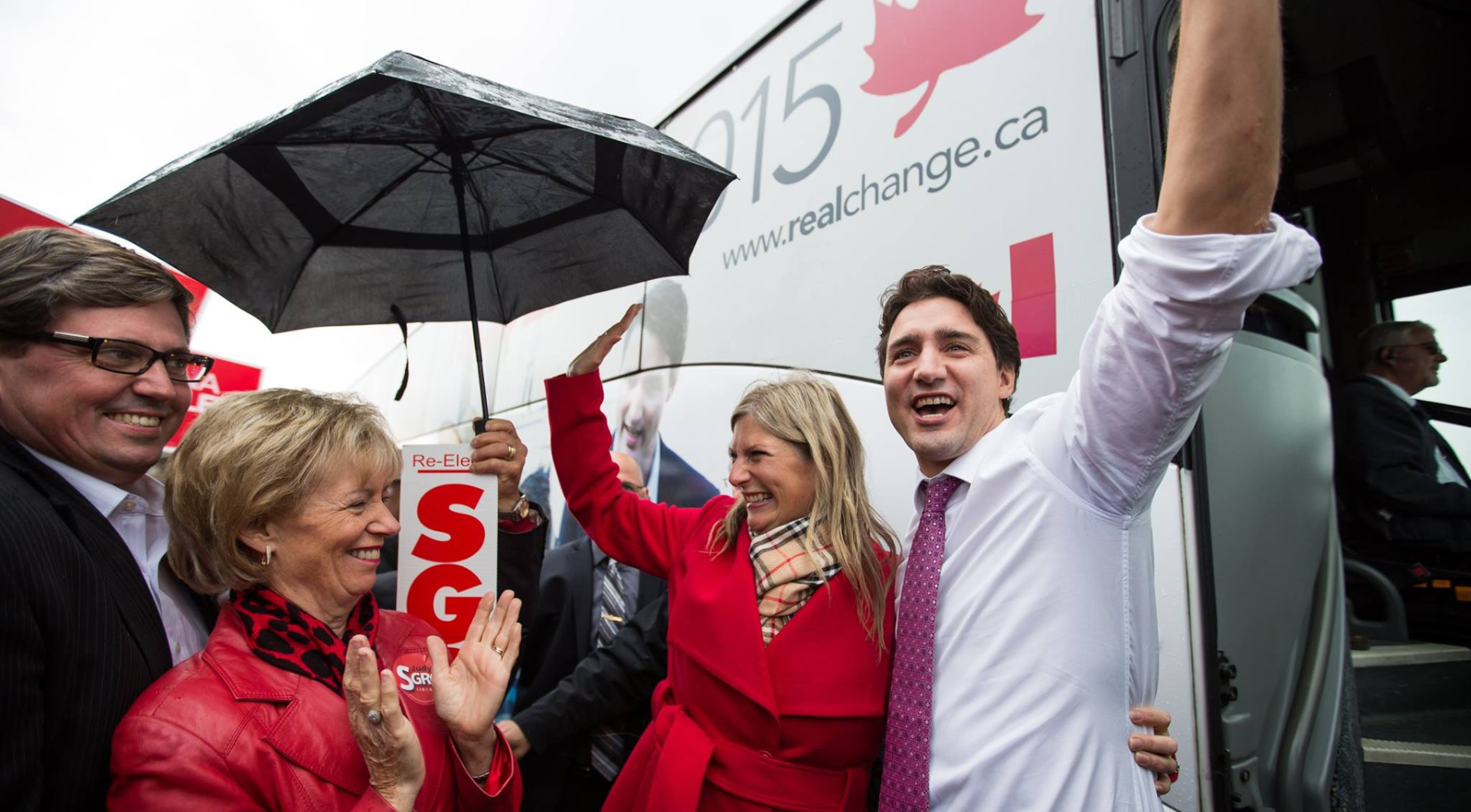
Selective outrage is the oxygen of partisan politics, and the pattern repeats across eras and personalities. After the SNC Lavalin scandal, Leona Alleslev crossed from Liberal to Conservative in 2018, and would go on to unsuccessfully run for CPC leader when Erin O'Toole was ousted. Go further back and you get Thomas Mulcair's evolution from Quebec Liberal cabinet minister to face of the federal NDP. Or Dominic Cardy's journey from New Brunswick NDP leader to Progressive Conservative education minister and eventually founder of a new federal party entirely.
Canadians often pretend these transformations represent ideological epiphanies. More often, they reflect the cold math of parliamentary culture: parties own power, and ambitious people go where power lives.
Where I'm coming from (so no one has to guess)
This is where I should state my own biases clearly, because I don't believe in pretending neutrality I don't possess.
I've moved around politically; not because I think politics is a costume party, but because Canada's parties are often remarkably unserious about internal democracy.
I've been:
- a member of the Marijuana Party of Canada (my first membership, from 2023 until I cancelled it),
- later, a Liberal member backing Mark Carney in the leadership race,
- then involved in the Canadian Future Party, serving as Toronto youth co-lead from August to December 2025 (and I still hold CFP membership, as of writing),
- provincially, I currently hold an Ontario Liberal Party membership,
- and I regularly donate to the NOTA Direct Democracy Party, largely because I support their “Three R's of Democracy”: Referendum, Recall, Reform.
Some people will see ideological inconsistency. I see dissatisfaction with parties that demand near-total loyalty while offering minimal accountability in return.
And because I've been in rooms where strategists talk plainly, I'm not naïve about what floor-crossing represents. It's not about values suddenly changing. It's about leaders weaponizing loyalty, branding, and seat counts.
Vuong, again, and the exception that proves the rule

Back to Vuong.
Here's the uncomfortable truth: the usual “you voted for X party” argument doesn't map cleanly onto his case. Voters didn't actually elect a Liberal MP. They elected an independent, however unintentionally. He should still have resigned, yes, and faced the voters again, but not because of floor-crossing. Because there were credibility questions so severe the party withdrew its backing mid-campaign.
In other words, the process failure came earlier.
That distinction matters. We confuse categories and then act surprised when our solutions don’t work.
Why parties love floor-crossing more than they admit
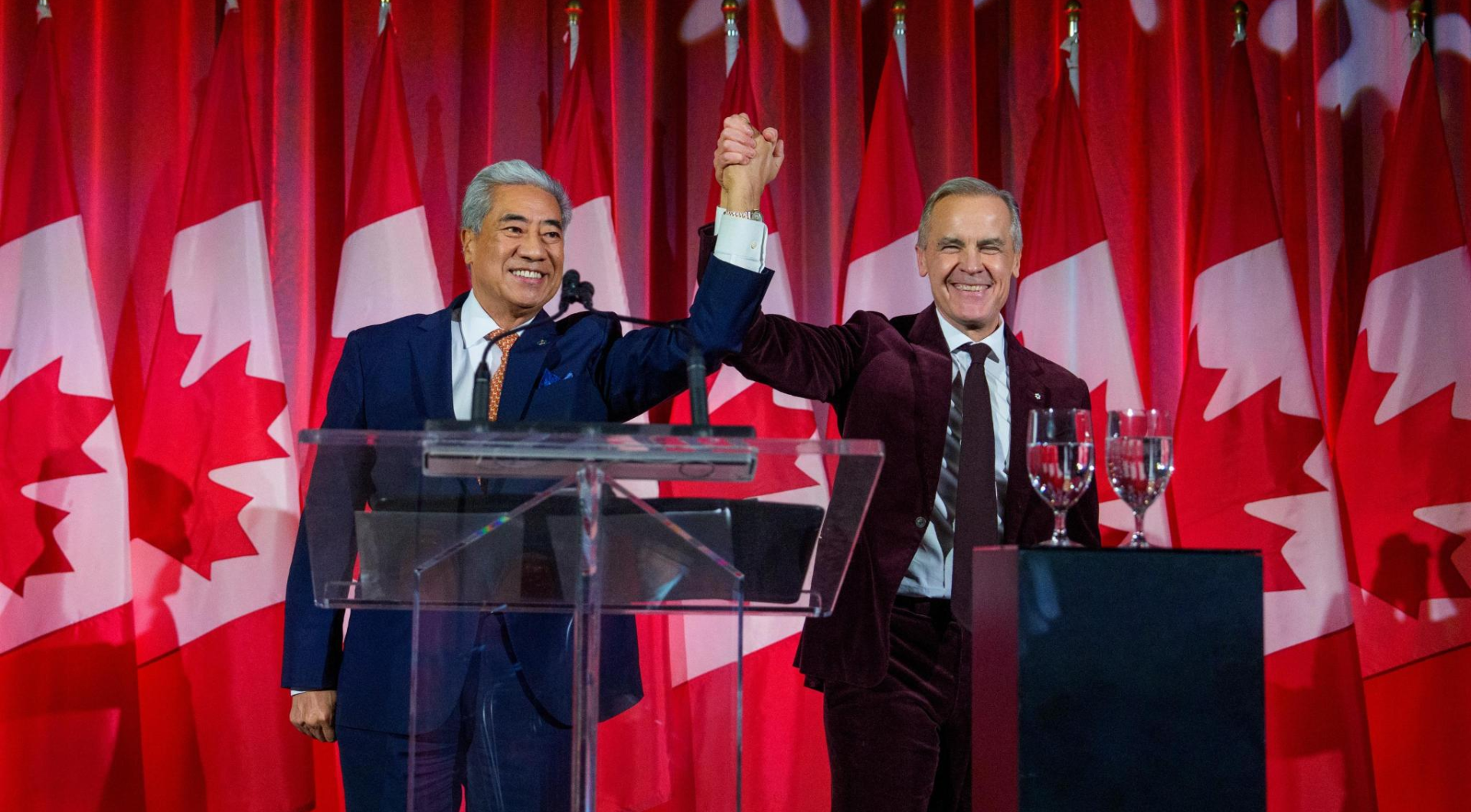
Floor-crossing exists because parties have become “more important” than parliaments.
In the Westminster model we inherited, MPs used to be representatives first and partisans second. Now, MPs are treated as franchise holders for national brands. They are elected promising loyalty. They sit promising loyalty. They speak only when loyalty permits.
We can pretend this builds “cohesiveness,” but it mostly builds resentment, particularly when leaders behave like CEOs and caucus behaves like middle management.
This is where I'll be mildly critical of Nate Erskine—Smith, despite respecting much of what he said.
He's right that voters deserve clarity. He's right that trust matters. But he sometimes stops short of acknowledging the larger structural problem: a system that punishes independence creates the exact conditions in which floor-crossing becomes rational.
If you muzzle MPs long enough, some will leave. Others will simply fake enthusiasm. Neither outcome produces healthier democracy.
A modest compromise (that would actually treat voters like adults)
So where do I land?
Floor-crossing should not be illegal. Our system needs flexibility, and there are rare moments when a party's direction can become so hostile to a member's conscience that leaving is the only honest option. But voters deserve a mechanism to confirm whether they’re still being represented.
Here's a straightforward rule:
If you cross the floor to another party, you trigger an immediate by-election, unless you sit as an independent first.
This would:
- respect the fact that many Canadians do vote primarily by party,
- deter opportunistic careerism,
- and still allow honest breaks with party leadership.
The people of Markham—Unionville deserve to decide whether Michael Ma is still their preferred representative. The same was true of Leona Alleslev's riding. And if, as Nate suggested, Vuong's seat morally belonged to Liberals, then voters deserved a clean chance to say so openly.
Floor-crossers love to say, “If voters don't like it, they can punish me in the next election.” That’s another way of saying: “Wait two to four years and hope you remember.” That's not accountability. That's gambling on apathy.
Where leadership fits and fails
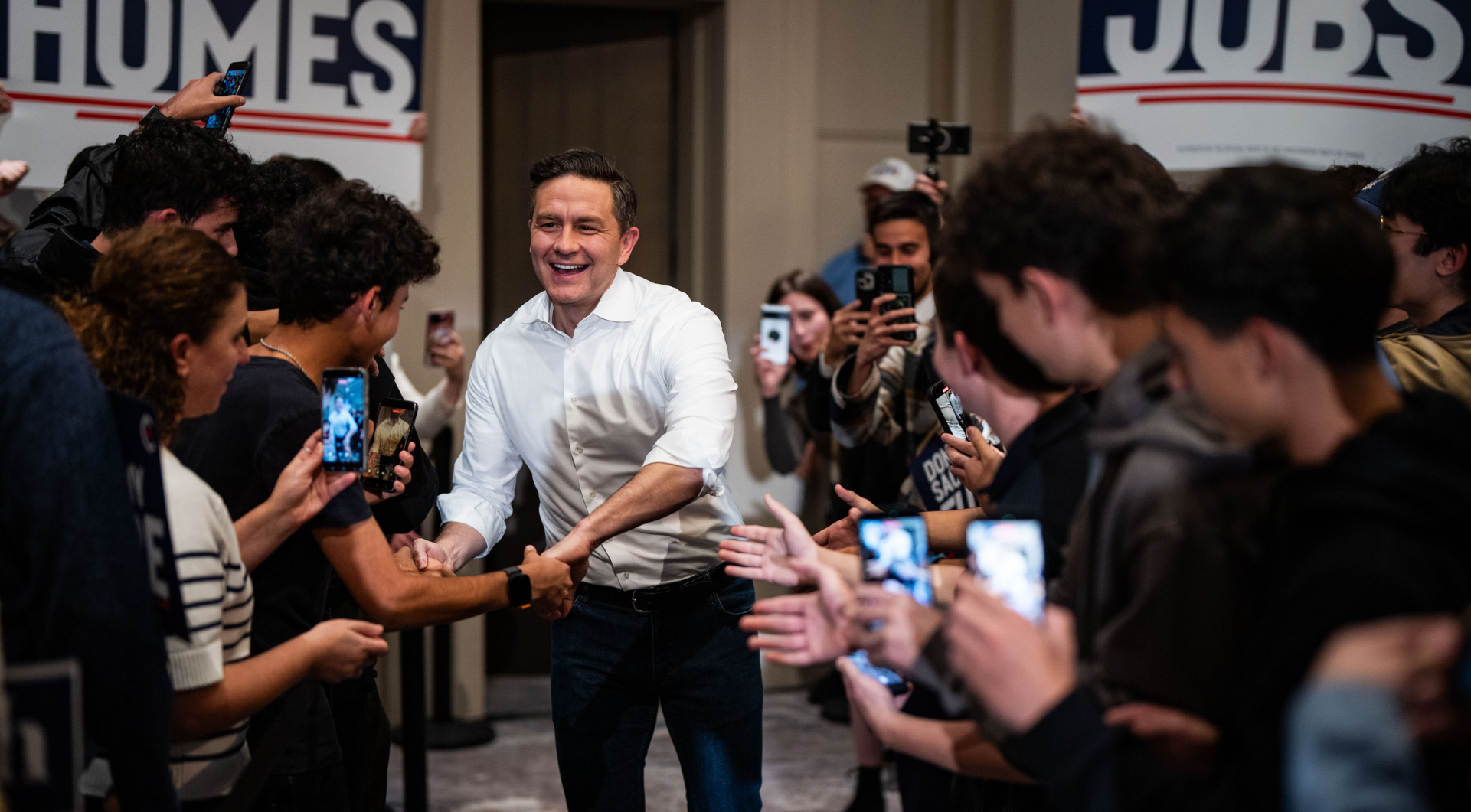
This brings me, reluctantly, to Pierre Poilievre.
I don't believe floor-crossing is caused by one man, but I do believe Pension Poilievre's brand of politics—hyper-partisan, slogan-driven, and intensely centralized—tends to degrade the usefulness of individual MPs. When your caucus is an echo chamber, anyone whose views complicate the leader's message quickly becomes expendable or alienated.
Michael Ma's defection is his choice, and he deserves criticism for it. But the incentive structure around him wasn't neutral.
Liberals who cheer this as proof of “broadening tent” should be careful. Systems that rely entirely on loyalty eventually fail because loyalty is not a policy.
The most revealing part of this whole debate is not who crosses. It's who cheers.
Liberals liked Alleslev until they didn't. Conservatives loathed Alleslev until they didn't. Many of the same people now reserve righteous fury for Ma—or vice-versa—depending on what helps their team this week, many of whom didn't know Ma even existed until December.
If you listen carefully, Nate's basic Vuong argument; that voters thought they were electing one thing and got something else, is widely shared. It's just applied sporadically.
The realignment beneath the noise
Canada is in the middle of a slow realignment. Parties are re-sorting around identity, geography, and generational culture more than old left-right economics. That makes party labels both more emotionally loaded and less intellectually coherent. It also makes it easier for politicians to claim “the party left me,” even when they were the ones who left.
Our institutions lag behind that reality. So do our expectations.
We tell ourselves voters are choosing philosophies. More often, they're choosing vibes, and hoping the philosophy shows up later.
So, where does this leave us?
My conversation with Nate didn't make me cynical. It made me clear-eyed.
He was honest about Vuong. He wasn't grandstanding. But I also noticed what went unsaid: the reluctance to stretch the logic across the aisle when it would cost his party leverage. That's not a moral failing. It's the gravitational pull of a system where party advantage routinely outranks democratic neatness.
I don't hate floor-crossing. I hate when it's defended as virtue one month and villainy the next. I hate that we pretend voters are irrational for noticing.
If parties want to keep floor-crossing alive, fine—but the public deserves a veto.
Democracy is healthiest when everyone involved remembers who is supposed to be in charge. And it is not the party leaders.
It's the people whose names never appear on the ballot, but whose trust keeps the whole thing from falling apart.
The views expressed in this piece are those of the author and do not necessarily reflect the editorial position of The Provincial Times or Left Lane Media Group. Read our Content Policy here.