'He Was Running On Our Platform': Three Years After Durham By-Election, the Rivalry Between Canada's Populist Right-Wing Parties is as Bitter as Ever
Three years ago this week, voters in the Durham riding went to the polls in a federal by-election that was widely expected to be a Conservative romp. Jamil Jivani cruised to victory with nearly 58% of the vote, easily holding the seat vacated by former Conservative leader Erin O'Toole.
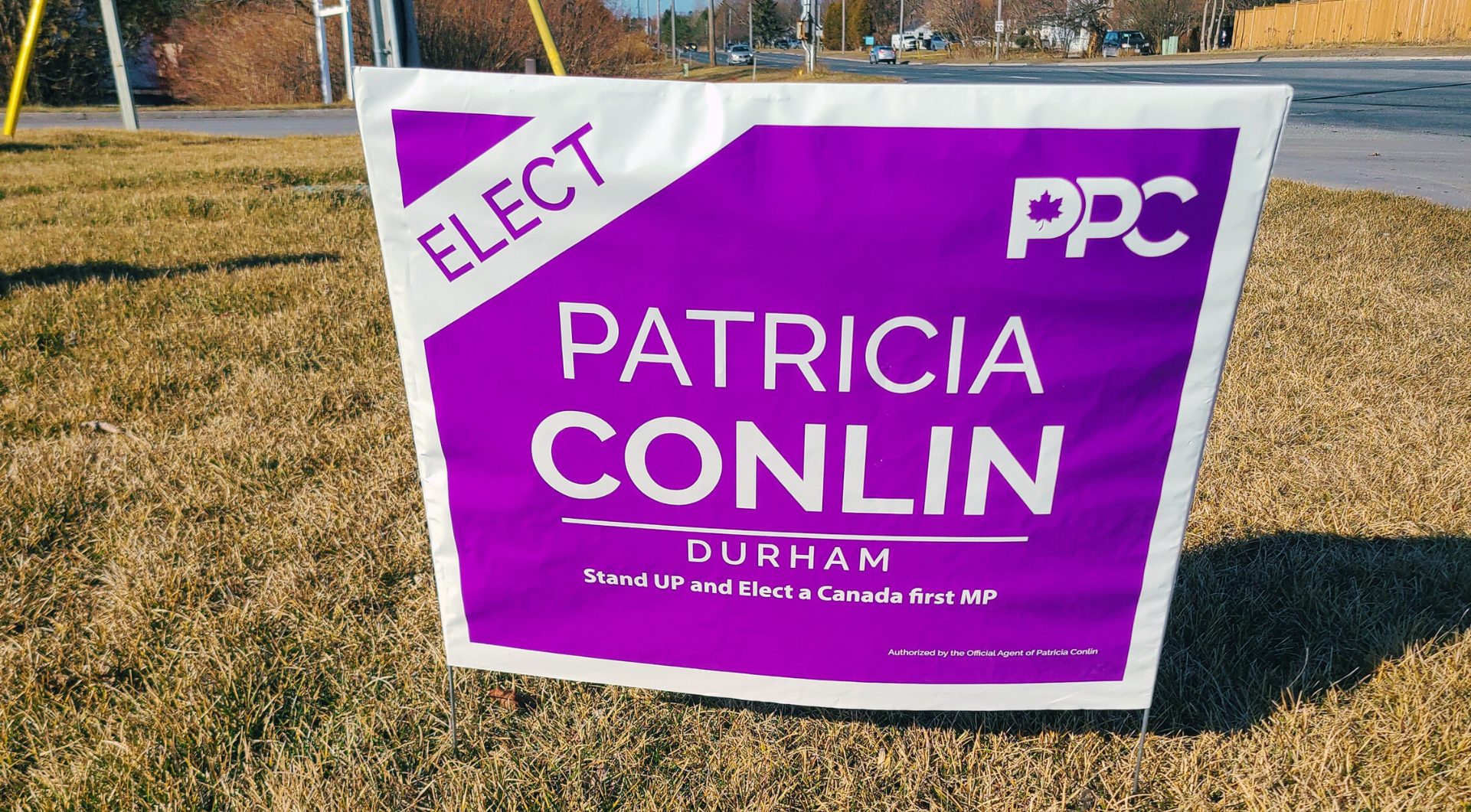
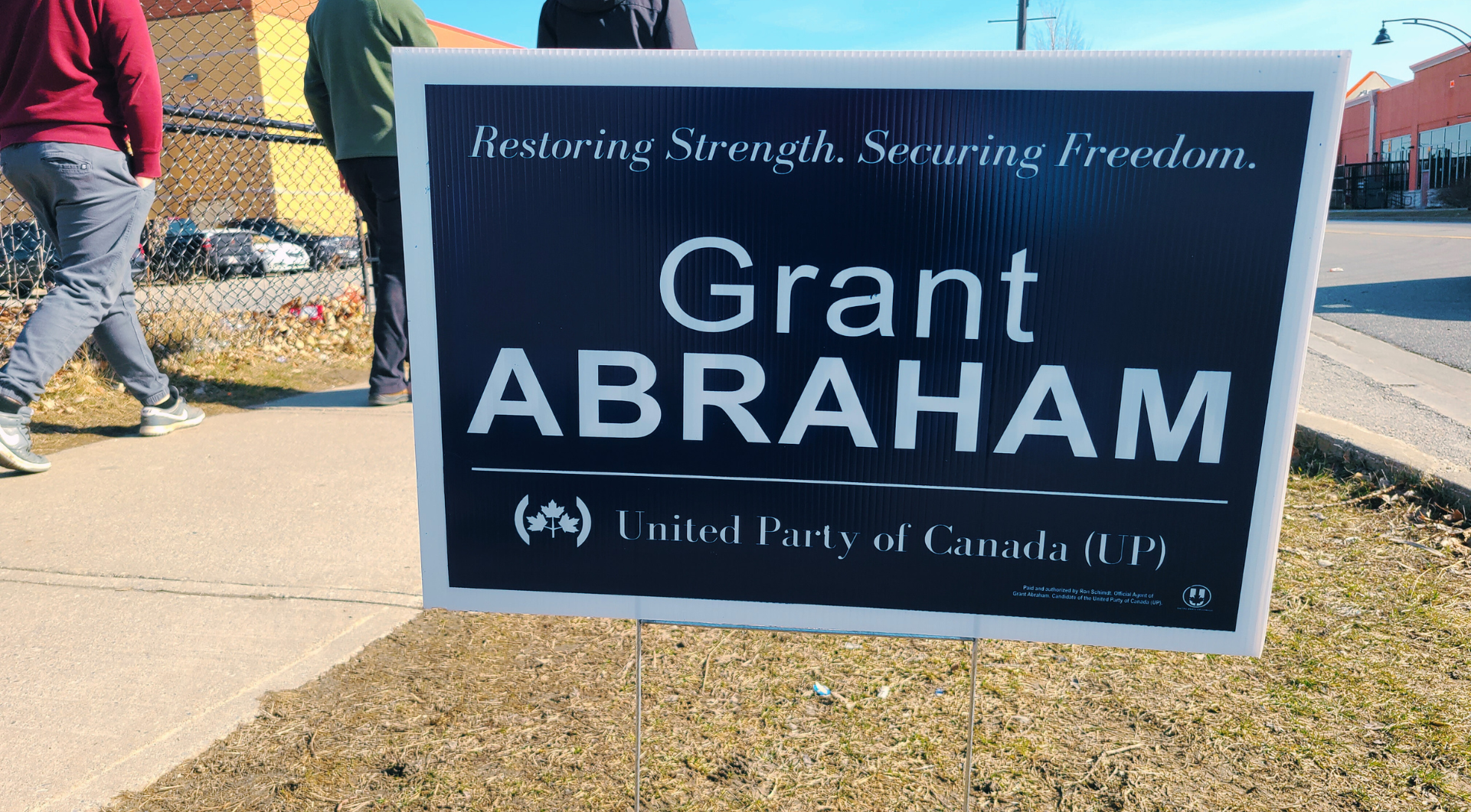
But tucked deep into the by-election results, among the nine names on the ballot, was a footnote that foretold a feud now simmering on Canada's far-right fringe. Grant Abraham, leader for the upstart United Party of Canada, placed dead last with 0.7% of ballots cast. Patricia Conlin, running for the People's Party of Canada, fared marginally better with 4.4%.
Three years later, as both prepare for the 2029 federal election—Conlin as the PPC's last candidate in the newly redrawn York—Durham riding and Abraham resurfacing periodically as a United Party standard-bearer in by-elections across the country—the rivalry between these two ideologically similar outfits has only intensified.
And according to Conlin, the United Party isn't competition. It's a distraction.
In an exclusive interview with The Provincial Times this week, Conlin did not mince words when discussing Abraham and the United Party's 2024 by-election campaign.
“I wasn't impressed with what he was doing at all,” Conlin said. “I think if he wants to influence in his writing or even in his province, go for it. But what he's doing is very destructive.”
The source of Conlin's irritation? Abraham's status as what she termed a "parachute candidate;" an Albertan with no apparent ties to the Durham riding who arrived in Bowmanville to campaign on a platform that, on paper, looks nearly indistinguishable from her own.
Both parties champion “Canada First” nationalism, call for sharp reductions in immigration, oppose carbon taxation, and rail against “gender ideology” in schools. Both present themselves as the principled alternative to a “uniparty” of Liberals and Conservatives. Both draw from the same well of pandemic-era grievance and populist frustration.
So why the animosity?
Ideological Twins, Political Rivals
The irony is not lost on observers of Canada's populist right. Here are two parties that agree on nearly every substantive issue, yet view each other not as allies but as spoilers.
The numbers from the 2024 by-election illustrate the stakes. Combined, the PPC and United Party pulled in just over 5% of the vote. Had those ballots gone to a single candidate, it would have done little to change Jivani's 2024 landslide, but in a closer race, the split could matter.
For a movement already struggling to gain traction in a first-past-the-post system, fratricide is a luxury it can ill afford. Conlin, for her part, frames the United Party's entry into the 2024 by-election as an act of political tourism. Abraham, a long-shot contender for the Conservative leadership in 2022 who was rejected by the party, brought no local connection and, in Conlin's view, no credible reason for being there.
“He's from Alberta, and he comes into Bowmanville, and he's talking about what Bowmanville needs,” she said.
During her conversation with The Provincial Times, Conlin repeatedly labeled Abraham a “warmongering neocon,” a curious charge for a candidate whose platform is rooted in non-interventionism and national sovereignty, not the hawkish foreign policy traditionally associated with neoconservatism.
Abraham, like Conlin, opposes international entanglements and has positioned the United Party as an “anti-globalist” alternative. Ideologically, he sits firmly in the far-right sovereignist camp, sharing far more with European national populists than with the Bush-era interventionists the "neocon" label describes.
The epithet, then, seems less an accurate description of Abraham's politics than a reflection of the deep personal and political distrust between the two camps. In the hothouse world of fringe parties, authenticity is the ultimate currency—and each side accuses the other of lacking it.
A Movement At A Crossroads
Three years on from the Durham by-election, the question hanging over Canada's populist right is whether it can ever consolidate. The PPC has the longer track record and the better-known leader in Maxime Bernier. The United Party, for its part, continues to field candidates and insists it offers a fresher alternative, with Abraham receiving a larger percentage of the vote than the PPC candidate in the 2025 Battle River—Crowfoot by-election, with 1.5% compared to Jonathan Bridges 0.3%.
But for voters looking for a vehicle to express their frustration with the mainstream parties, the signal is muddled. And for candidates like Conlin, who has been fighting these battles since 2021, the presence of a nearly identical rival is an obstacle to the very change she says she wants to achieve.
“We need new representatives, new leaders,” Conlin said. “I don't even like the word politician anymore. But I continue to present locally on important issues for the community that are harmful. Local councils, regional councils, school boards.”
Whether voters in York—Durham or anywhere else will embrace that message remains to be seen. But if the 2024 Durham by-election proved anything, it's that winning over the 0.7% is just as hard as winning over the 57.6%, especially when you're fighting your ideological twin for every last vote.