
Carney’s national electricity strategy aims to double grid capacity by 2050
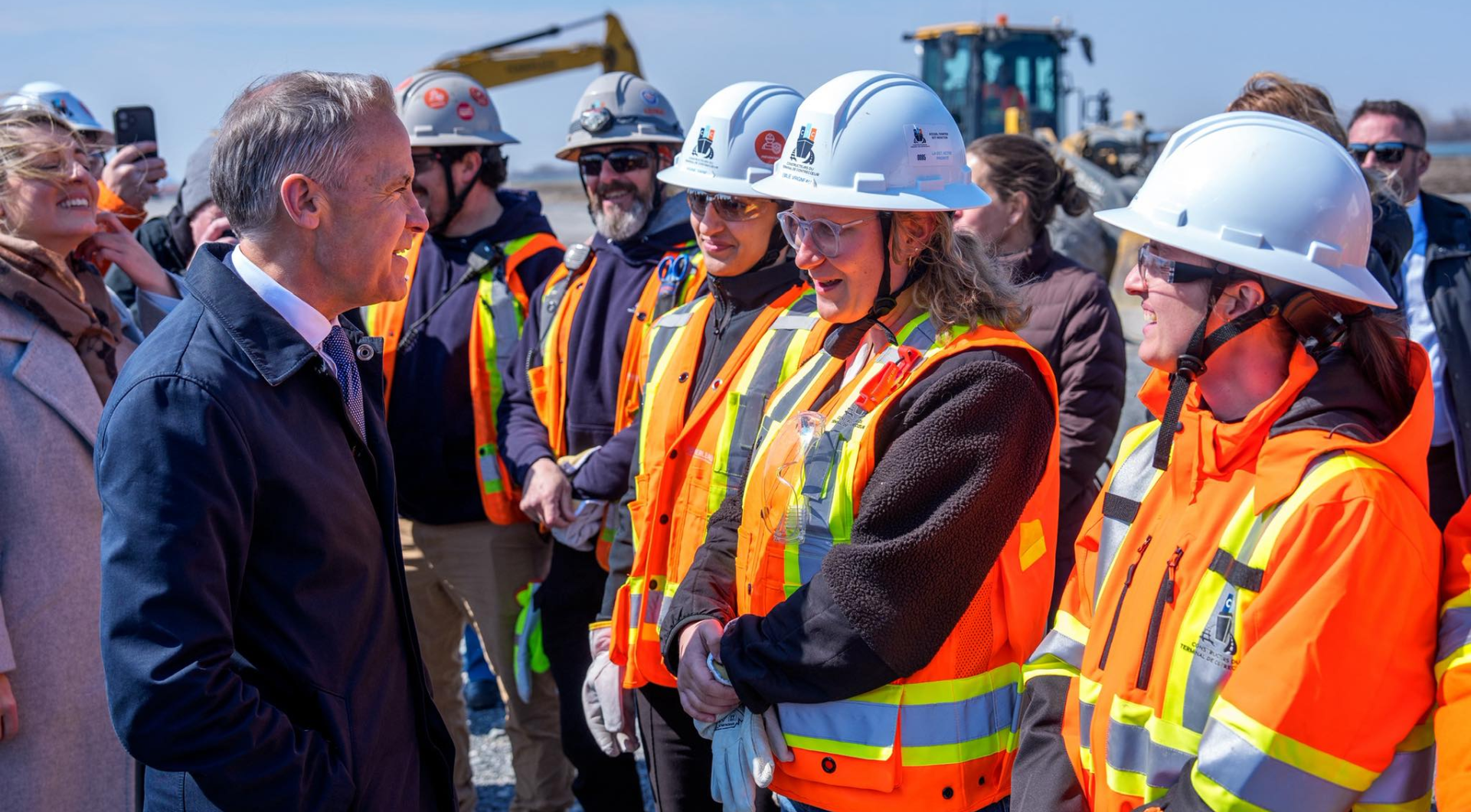
Prime Minister Mark Carney unveiled a sweeping National Electricity Strategy on Thursday that pledges to double Canada's electricity capacity by 2050, deliver an estimated $15 billion in total energy savings, and lower overall energy costs for seven in ten Canadian households—positioning the country to seize control of its energy future amid mounting global uncertainty.
Launching immediate consultations with provinces, territories, Indigenous communities, and labour unions, Carney framed his plan as a direct response to a world rocked by U.S. trade disruption, war, and accelerating climate change.
“In a rapidly changing and more volatile world, Canada is taking control of our future,” Carney said. “With our new National Electricity Strategy, we will build at scale and speed to double our grid and power Canada strong with clean, affordable, reliable energy for all generations. When we master energy, we master our destiny.”
The strategy rests on four pillars: building the infrastructure needed to double generation, connecting Canada's fragmented grids from coast to coast to coast, training and retaining more than 130,000 skilled workers by mid-century, and growing domestic manufacturing so more of the components powering the grid are made in Canada.
Crucially, the government signalled it will adjust clean electricity regulations to give provinces the flexibility to use natural gas where it keeps energy reliable and affordable during the transition.
“Canada has a clear advantage: one of the cleanest power grids in the world,” said Environment Minister Julie Aviva. “Through the National Electricity Strategy, we are building on that strength to drive innovation, power economic growth, and keep Canadian industries competitive while positioning Canada to lead in the global clean energy economy.”
The promise of affordability is central. The Prime Minister's Office said the strategy could trim total energy costs for the majority of Canadian families, partly by making it easier to switch from expensive propane, oil and electric baseboard heating to more affordable electric heat pumps. The government is expanding retrofits for up to one million households through financing and grants.
Canada already boasts the lowest residential electricity prices in the G7 and the second‑lowest industrial rates, with a grid that is 80% non‑emitting. Yet demand is projected to double by 2050 as industries electrify and artificial intelligence scales up. Carney's answer is to turn that pressure into an opportunity, arguing that electricity is the solution to energy security, affordability and competitiveness.
To kick‑start the build‑out, the government is fast‑tracking major projects through its Major Projects Office: hydro expansions in the Northwest Territories and Nunavut, new nuclear at Darlington, the North Coast Transmission Line in British Columbia and the Wind West project in Nova Scotia. A new Transmission InterConnect Investment Strategy will be referred to the same office to accelerate the inter‑provincial links that have eluded the country for decades.
“Our National Electricity Strategy will help attract investment, accelerate electrification, and ensure industries across the country have access to clean, affordable, and reliable power” Mélanie Joly said. “At a time of rising tariffs and trade uncertainty, we're investing in Canada's industrial capacity and economic resilience so Canadian businesses can compete, grow, and lead in the clean energy future.”
The national strategy, which builds on a suite of existing clean‑economy investment tax credits, the Canada Infrastructure Bank's $20‑billion clean energy target and an expanded $10‑billion Indigenous Loan Guarantee Program, drew quick praise from clean‑energy advocates but questions from fiscal hawks about the total price tag.
Senior officials countered that spreading costs over decades, while tapping private capital, will keep the build‑out affordable. For Carney, the message is unmistakable: in an unpredictable world, Canada is choosing to build—and promising that Canadians' pocketbooks will benefit along the way.

Comments