ADAMS: In defeating himself, Pierre Poilievre has given Mark Carney no excuse to fail
Let us travel back in time, one year, to be imprecise. The scene is a Liberal leadership debate, and the candidates are jostling to define themselves against a Conservative opposition that, by every metric, appeared destined for power. Pierre Poilievre's name recognition and cultural warfare had, to that point, set the terms of Canadian political discourse.
Justin Trudeau's Liberal brand was, by any honest assessment, in the toilet.
And then something shifted.
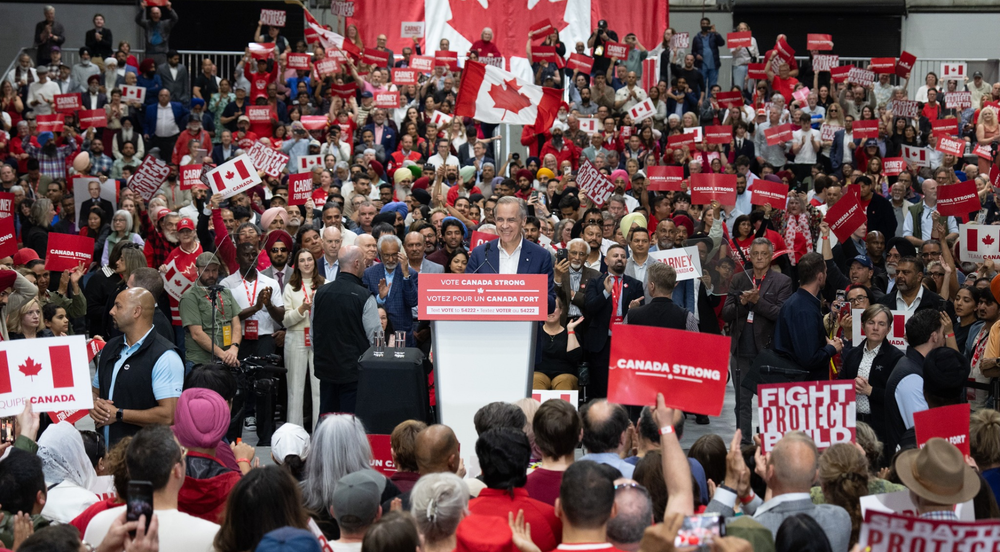
What we are witnessing in Canadian politics today is a substantive realignment of centrist and progressive governance, one that will be defined entirely by the man who now leads the Liberal Party of Canada. Prime Minister Mark Carney did not simply inherit a party in the way of previous leaders. He walked into a landscape that Pierre Poilievre spent years cultivating and watched it collapse under the weight of his own strategic miscalculations in a matter of weeks.
The coming majority, should it arrive as polls suggest after the April by-elections, will not be handed to Carney on a platter. It will be delivered by an opposition leader who so thoroughly misread the electorate's mood, who so profoundly misunderstood that Canadians were hungry for substance over slogan, that he essentially defeated himself.
Poilievre's brand of conservatism—the far-right culture-warriorism, the contempt for institutions, the reduction of complex policy to catchy three-word chants—proved to be a mile wide and an inch deep when tested against an adversary offering competence and credibility.
But here is the uncomfortable truth that Ottawa's chattering classes are only beginning to grasp: With great power comes the complete evaporation of excuses. If Mark Carney forms a majority government after two by-election wins in April—and every indication suggests he will—he will assume power with a mandate so clear, so unburdened by the usual constraints of minority parliaments and fragile coalitions, that failure will belong to him and him alone.
There will be no Stephen Harper-era obstructionism to blame. There will be no Jagmeet Singh holding the balance of power, no Bloc Québécois extracting concessions in exchange for confidence. There will be only the Prime Minister, his cabinet, and the unfettered opportunity to deliver on every promise he has made.
This is the moment that separates serious leaders from mere office-holders.
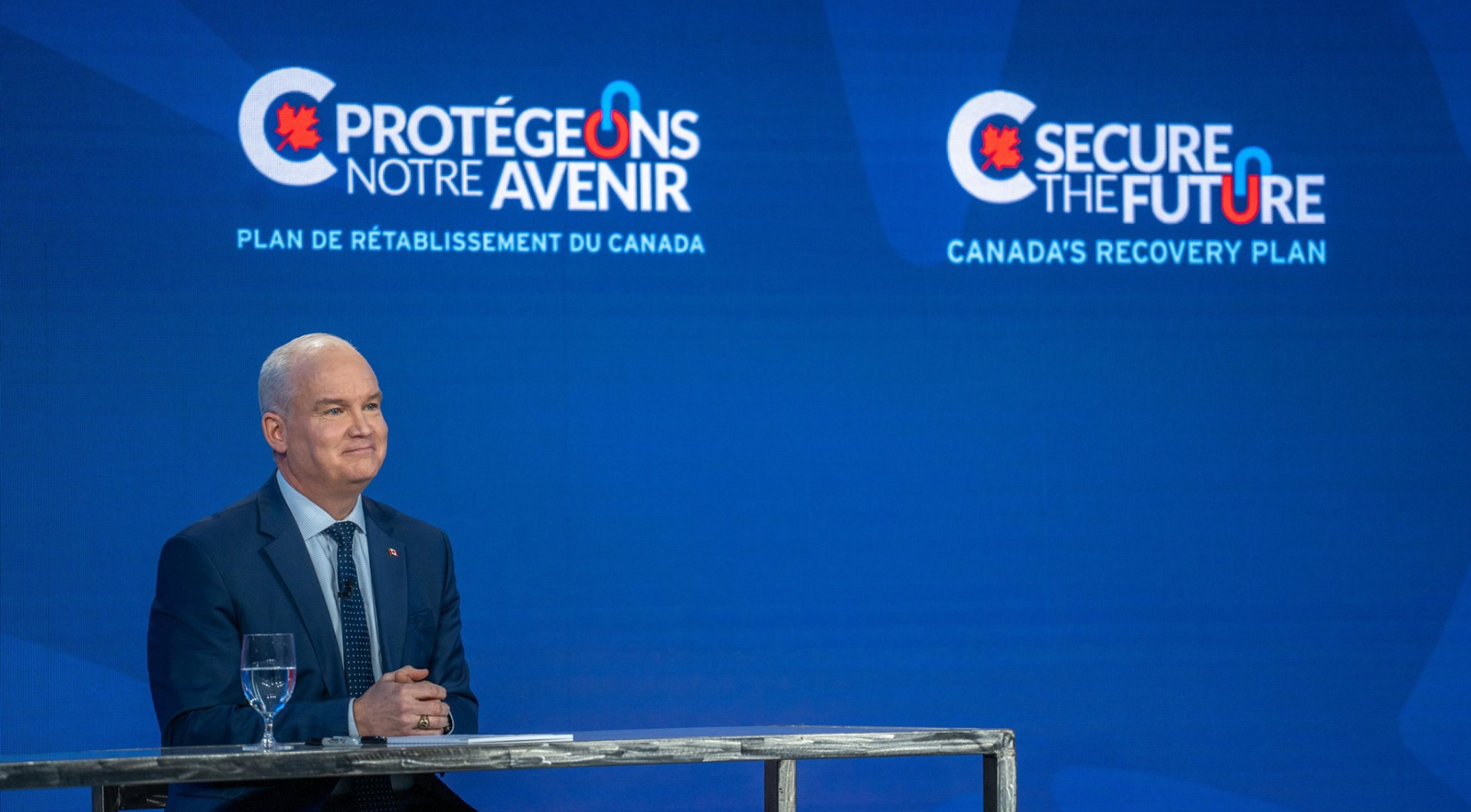
The parallels to Erin O'Toole's attempted transformation of the Conservative Party in 2021 are instructive, if only for their cautionary elements. O'Toole recognized that the Conservative Party could not win by catering exclusively to its base. He attempted a blue-collar makeover, a softening of edges, an appeal to the “left-behind voter.”
But O'Toole's transformation was half-measured, constantly undercut by the suspicion that he was a chameleon rather than a conviction politician. When he lost, his policies were buried with him, and the party lurched back toward the very populism he had tried to transcend.
Carney faces no such internal contradiction. He is not attempting to rebrand an existing party ideology; he is importing an entirely new one. The Liberal Party under his leadership will be defined by his orientation toward governance, technocratic, climate-focused, and economically literate in a way that transcends traditional left-right binaries.
He has the advantage of arriving without decades of partisan baggage, without the accumulated resentments that weigh down career politicians. And because Poilievre has so thoroughly been discredited as a legitimate alternative, because he has positioned his party to be so angry, small, and perpetually aggrieved, Carney will have something O'Toole never possessed: running room. The opposition has been too busy fighting itself to mount a sustained attack that might constrain a new government's agenda.
But running room is not the same as a free pass.
The danger for Carney is that majorities breed complacency. They tempt leaders to govern for their pollsters rather than their principles, to mistake electoral victory for permanent realignment. The history of Canadian politics is littered with governments that squandered their mandates through caution, through the belief that tomorrow will always look like today.
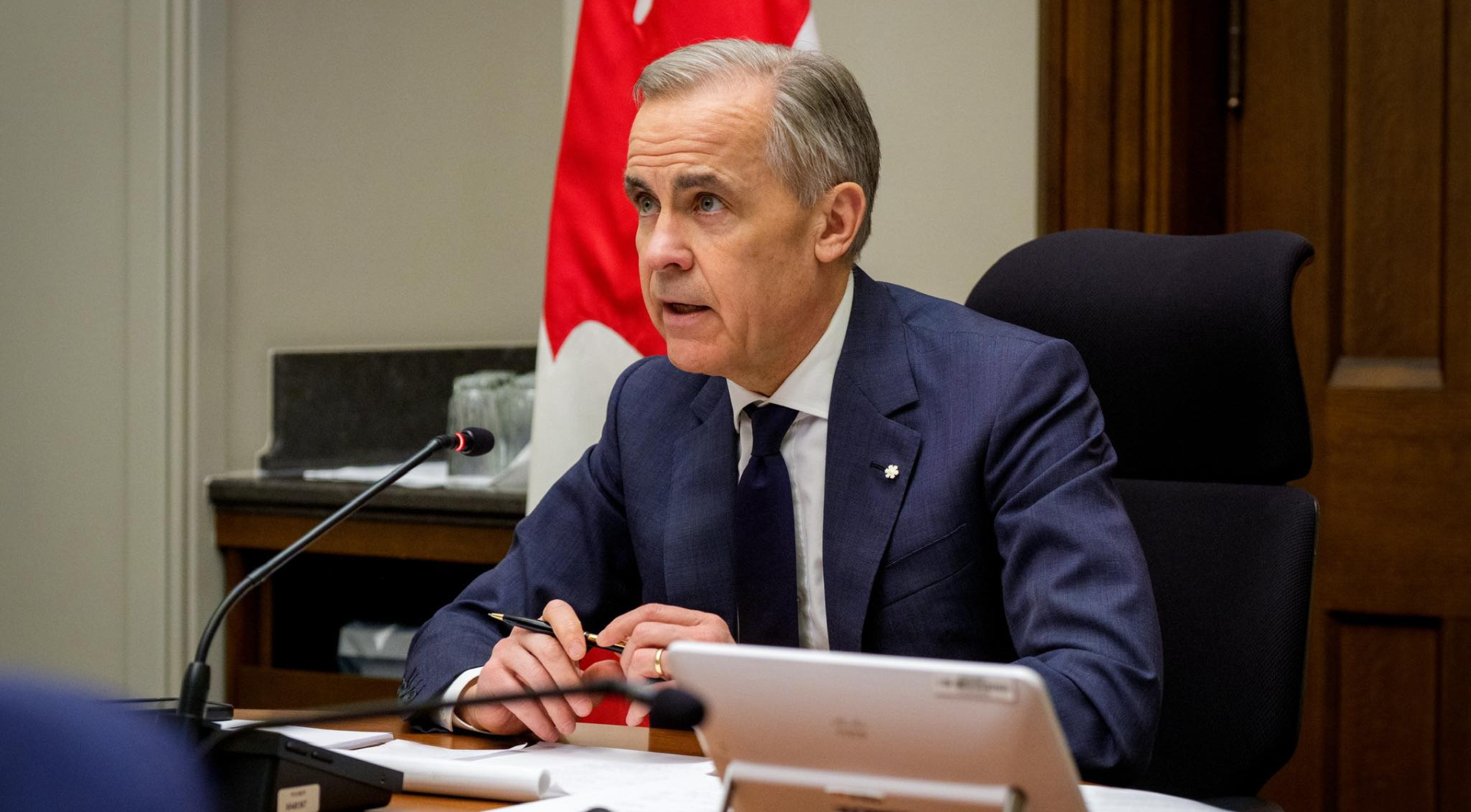
If Carney truly believes in the agenda he has articulated—the industrial policy, the climate action, the rebuilding of public institutions, the restoration of evidence-based governance—he will have the rarest of gifts: the political capital to pursue it without looking over his shoulder. He can raise taxes where necessary, cut where prudent, and offend entrenched interests where justified. He can govern like someone who understands that majorities are borrowed, not owned.
The spring by-elections will not merely fill vacant seats. They will mark the moment when Mark Carney becomes the singular author of the Liberal Party's identity. From that point forward, there will be no ghosts of leaders past to blame, no opposition obstruction to cite, no structural impediments to hide behind. There will be only results or their absence.
Pierre Poilievre, in his arrogance, believed he had already won the argument. Instead, he has given his opponent the one thing every new leader craves and few receive: a clear field and zero excuses.
What Carney does with it will define not just his government, but whether this realignment of Canadian centrism was a genuine political transformation or merely another false dawn.
This piece was written by an individual contributor and reflects the editorial position of The Provincial Times and Left Lane Media Group. Read our Content Policy here.