ADAMS: Is federal politics still the right fit for Nate Erskine-Smith?
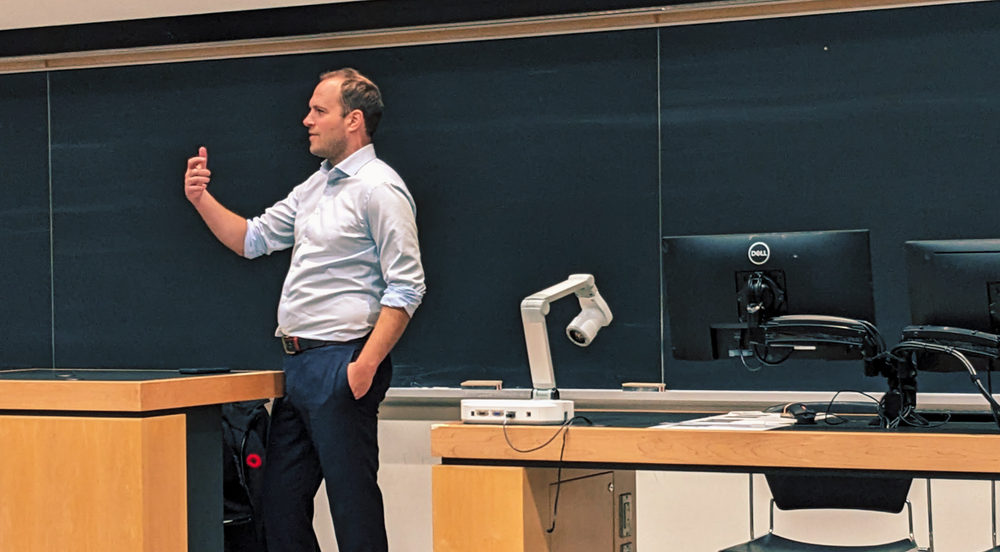
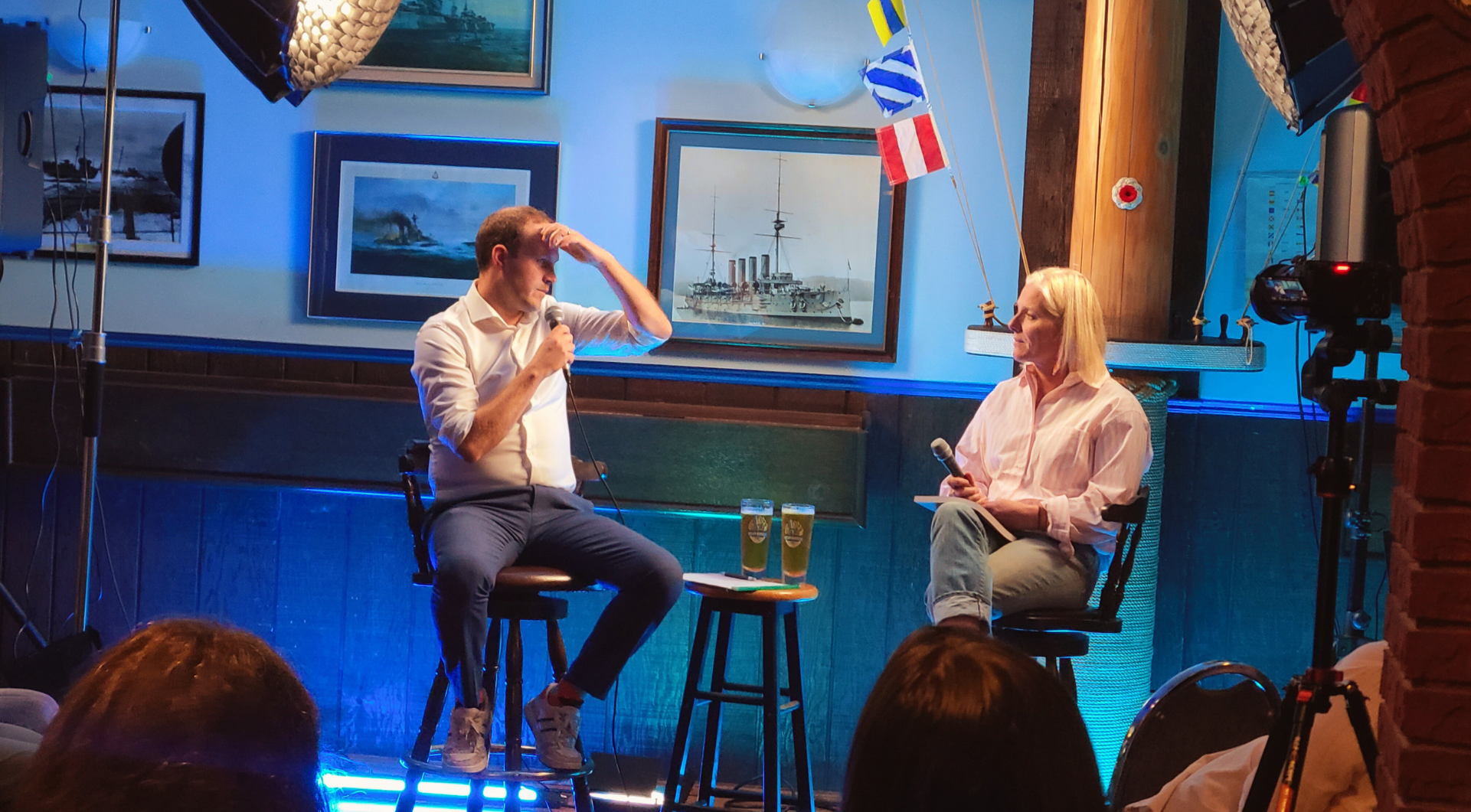
Back in November, I went to hear Nate Erskine–Smith speak at York University because, for a long time, he has been my favourite federal politician. That bias should be declared up front. I listen to his podcast. I've been a fan since the Freedom Convoy discussions on Uncommons, and I'd attended the live taping with Catherine McKenna from 5 weeks prior.
At that event, he joked with me about whether he should run for premier again. I joked back. It was the kind of exchange that happens when politicians remember they are human beings, not walking focus-grouped slogans.
Jagmeet Singh was once my favourite federal leader. He remains a hero of mine in important ways, but he ultimately lost my political support. Jack Layton and Tom Mulcair, I only really know through retrospect; I was a child when Justin Trudeau was first elected. I also respect Erin O'Toole and listen to his podcast as well.
I've always believed that if you're going to criticize politics, the least you can do is listen first. So I didn't walk into the York University Young Liberals event as a blank slate. I walked in with admiration for Nate's independence, and with a clear intention: to listen carefully enough to agree with him when he earned it and disagree with him when he deserved it.
The conversation that followed reminded me of something simple and unfashionable: politics, when it’s practiced honestly, is still one of the few tools we have to solve real problems. The problem is that we don't have enough people practicing it honestly, consistently, and with a willingness to tell voters hard truths.
Nate did more of that than most. But not all of it.
Participation Is Not Optional, Even If You Pretend It Is
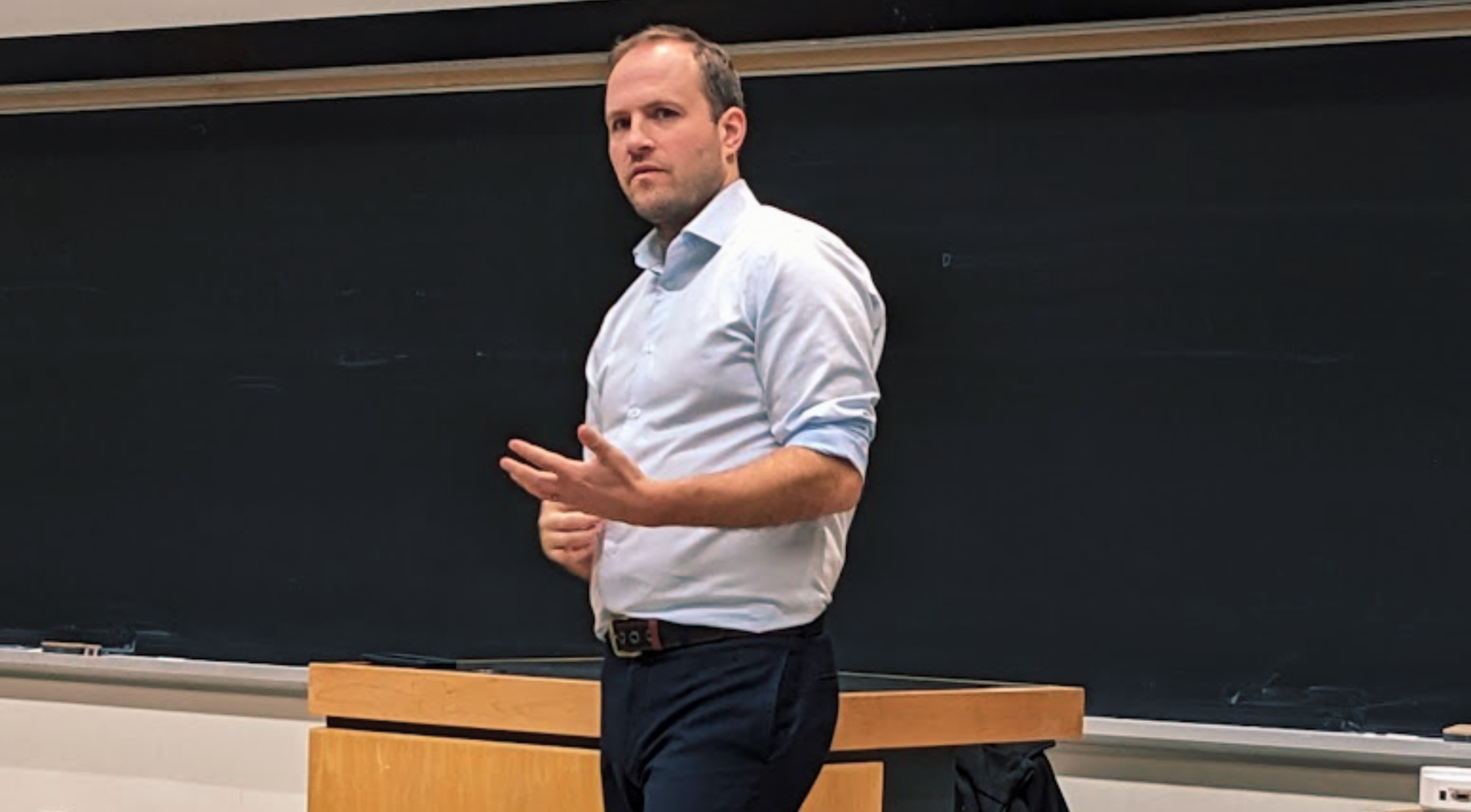
One theme from Nate's remarks deserves to be carved on every campus wall: politics happens whether you participate or not.
He talked about growing up watching the consequences of government decisions play out in classrooms and on picket lines. You don't need to be a Liberal to recognize the point. Every government, left or right, produces real consequences that land on real people. Refusing to engage doesn't protect you. It merely removes you from the room while decisions are made about your life.
This is the political disease of our time. We've convinced ourselves that disengagement is rebellion. It isn't. It's surrender dressed up as cool detachment.
Young people, especially, are told two contradictory lies:
- that politics is hopelessly corrupt
- and that meaningful participation is naïve
Both narratives are useful to people who already hold power. Neither narrative serves anyone else.
Nate's argument was simple: show up, push the “boulder uphill,” take losses seriously but not personally, and recognize that democracy is not therapy. It is work.
He's right.
We live in a moment where the loudest voices are usually the least serious, where politics is treated as a content industry, not an instrument of public problem-solving. If younger generations do not show up with seriousness, the space will continue being filled by people who view politics as a stage, not a responsibility.
Participation isn't optional. It's just easier to pretend it is.
The NDP Question: Pragmatism, Principle, and the Hard Choices of Party Politics
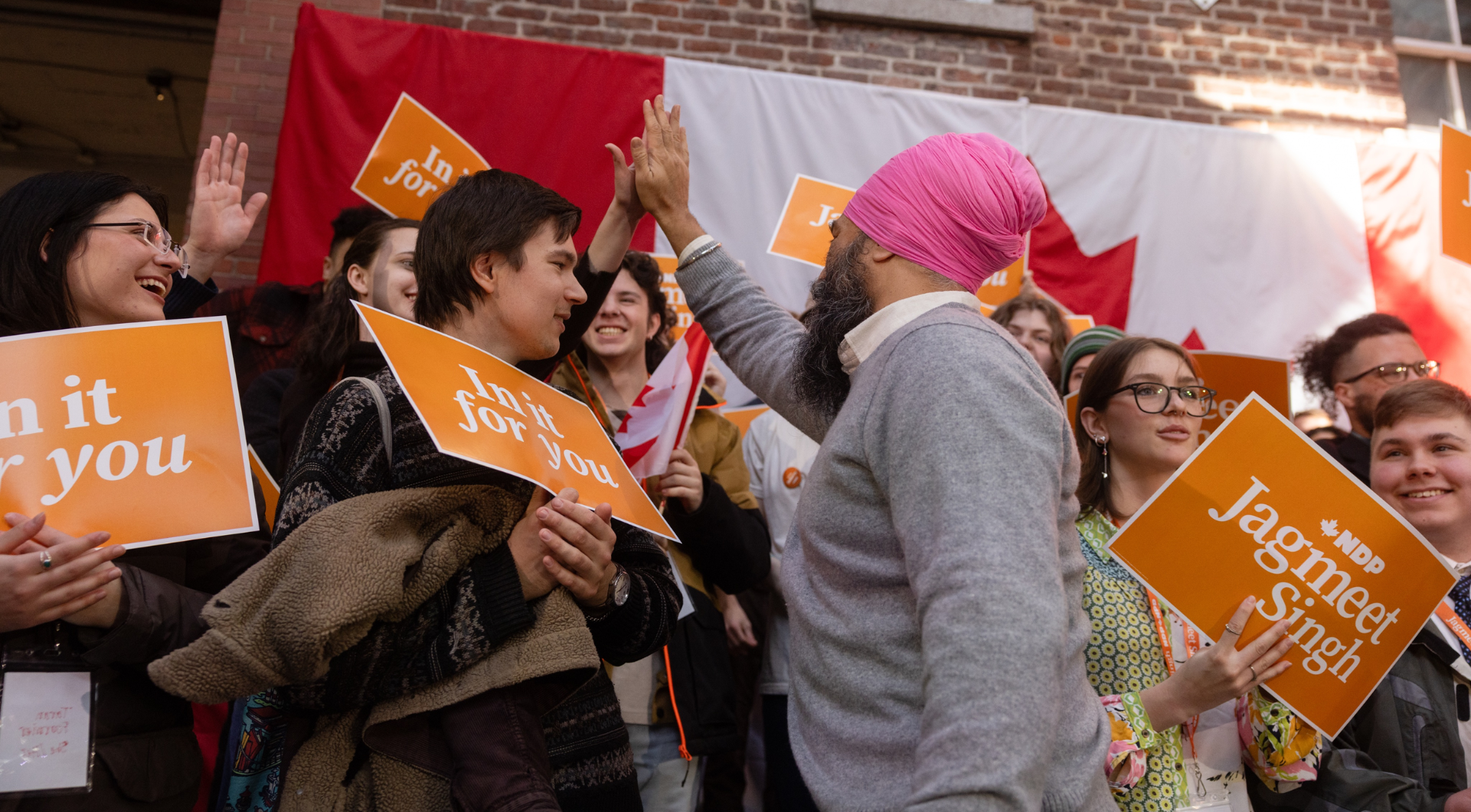
I asked him a question that I've wanted to ask for years:
If you see yourself as a progressive reformer, why not join the NDP?
He could have ducked it. He didn't. His answer was careful, but not evasive.
His view, in summary, is this: parties are vehicles. You choose the one where you can do the most good. For him, that remains the Liberal Party. He rejects floor-crossing as a casual tactic, believes credibility comes from staying where you are, and thinks durable social progress must be built on fiscal responsibility.
This was not the crude “the NDP are unrealistic” sneer that some Liberals deploy. It was a more thoughtful version of that claim: that ambition without credible implementation risks leading people on while delivering nothing.
I agreed with pieces of it, and disagreed with others.
History undermines the myth of absolute party purity. Thomas Mulcair was a Quebec Liberal before becoming NDP leader. More recently, the new Liberal MP for Markham—Unionville was first elected under Polievre's leadership. The NDP condemns floor-crossing until it doesn't. The Liberals condemn opportunism until it’s useful. Every party is selective about when a principle is a principle and when it's a slogan. This is a topic that deserves an op-ed of it's own.
Where Nate convinced me was on this point: where can you maximize impact, not applause? He was blunt that he would rather be a Liberal backbencher than switch parties for ideological branding.
That's a defensible, grown-up argument. It treats politics as a job, not a fandom. It won’t satisfy purists. That might be precisely why it deserves to be taken seriously.
Reading Between the Lines: What Comes Next for Erskine-Smith
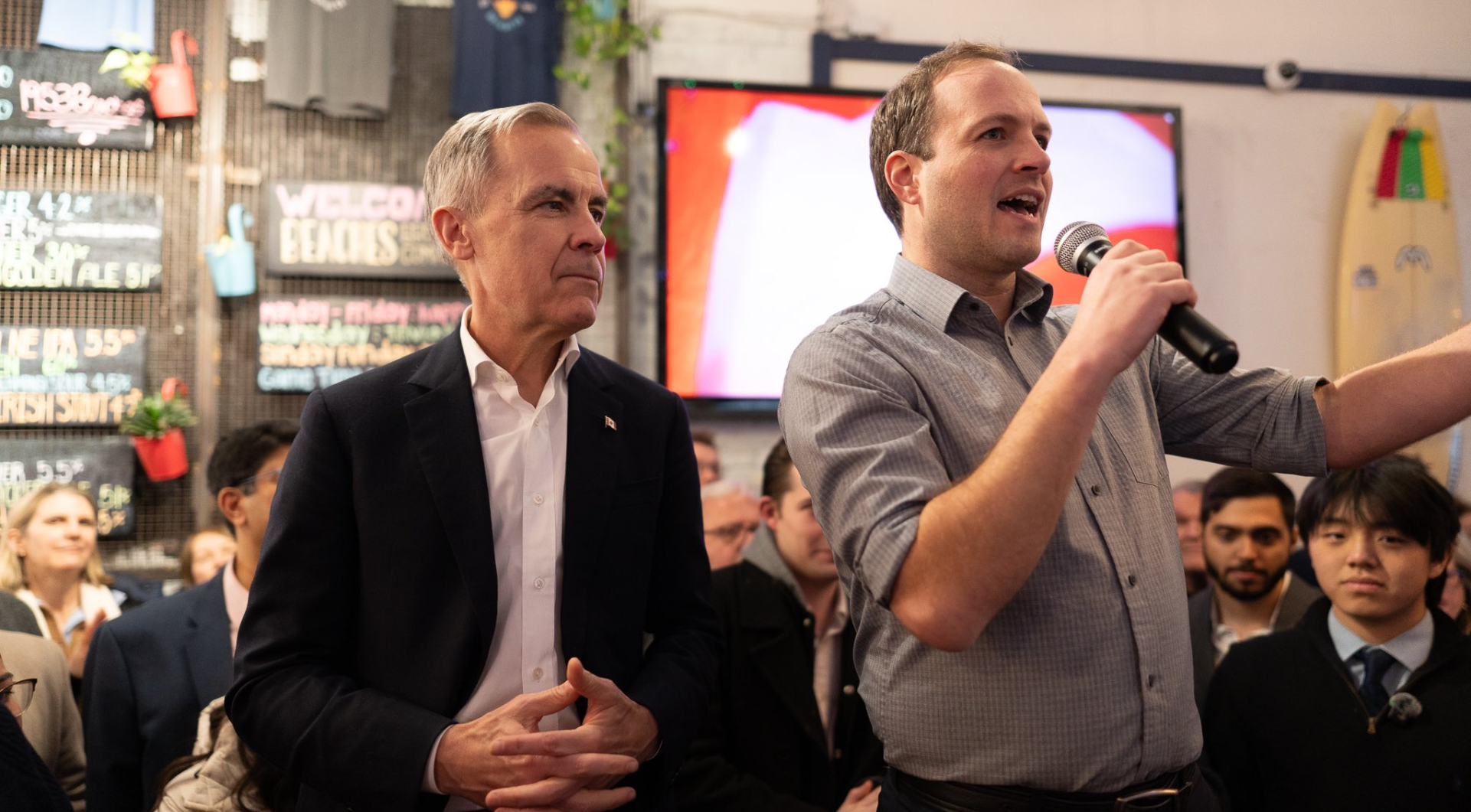
Nate didn't sit there and declare his next steps. But politics is as much about what goes unsaid as what’s stated into a microphone.
He spoke openly about being pulled back from the brink of resignation by former Prime Minister Justin Trudeau, when he was offered responsibility on the housing file. He also spoke candidly about how his demotion back to the caucus bench unfolded, and about the communications misstep of airing frustration as an X thread instead of a longer statement on Substack. On that, he was hard on himself, and fair.
None of this requires conspiracy thinking to interpret. It requires basic political literacy.
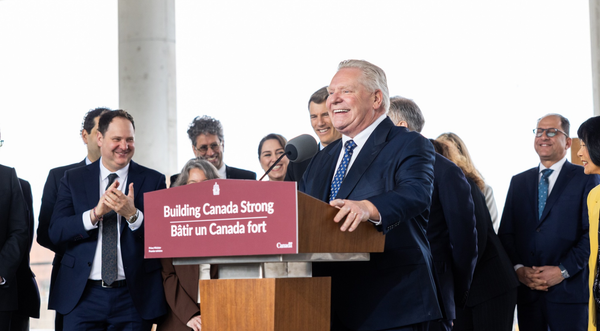
It is not outrageous to suggest that Beaches—East York may soon face a federal by-election. Nate Erskine–Smith is ambitious. He cares about housing policy. He has already sought the Ontario Liberal leadership once. Mark Carney is not building a party in his image that obviously includes Nate in its inner circle.
Those are observable facts, not whispered rumours.
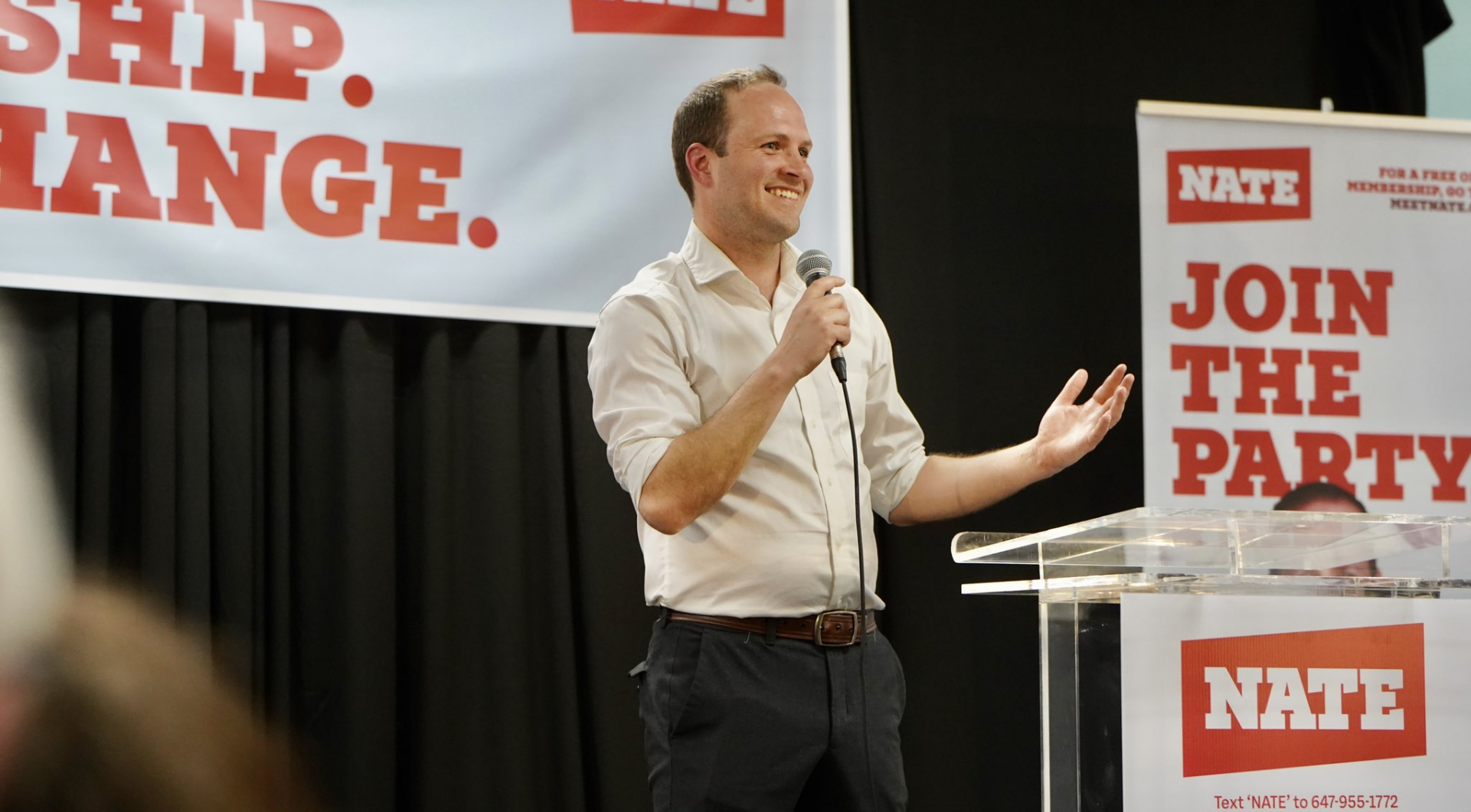
The question is not whether Nate will run provincially again. The question is how responsibly he will handle the transition. Will he vacate his seat mid-term? Will he trigger a by-election? Will he seek another provincial riding? These are legitimate issues, not personal attacks.
And here is the standard that I apply to everyone, whether it be Poilievre, Crombie, Erskine-Smith, or someone else:
If you want to lead, go all in. Don’t try to live in two legislatures at once. Don’t treat voters as placeholders in your career plan.
If Nate runs for OLP leader again, he should resign federally and make his case honestly. Not because he owes that to partisans, but because he owes it to voters.
Where I Disagreed: LGBTQ Rights and the Difference Between Framing and Action
There was one moment where I sharply disagreed with Nate.
He argued that one Liberal failure on LGBTQ issues is messaging—that rights are defended in narrow, identity-specific terms instead of being placed within a broader frame of universal equality and freedom.
I don't think messaging is the core problem.
I think courage is.
We have watched Premiers Scott Moe and Blaine Higgs pursue American-style restrictions targeting trans youth. We are watching Danielle Smith weaponize the notwithstanding clause to push laws that trample fundamental rights. In each case, the federal government had not only the moral authority but, in some cases, constitutional tools available to challenge or override clear rights violations.
They did not use them.
In those moments, it was not that the federal Liberals framed the issue poorly. It was that they refused to act decisively. The difference between performance and protection is measured in whether people’s rights survive contact with political opportunism.
Nate's answer struck me as sincere. I believe he cares deeply about LGBTQ equality. My criticism is directed less at him personally than at the party he belongs to: defences of rights that are never enforced are ornamental, not structural.
If Canada means to defend vulnerable minorities, it will require more than commemorative tweets. It will require federal willingness to confront provincial governments willing to use constitutional nuclear options to marginalize citizens.
That is where the Liberal Party has failed; not only in words, but in will.
Youth Outreach Without Pretending and Without Parallels
Credit where it is due: Nate's outreach to younger voters felt genuine. It did not resemble Jagmeet Singh's TikTok populism or Jamil Jivani's attempts to construct parallel movements that talk about young people more than with them.
He listens. He hosts long-form discussions. That matters.
But sincerity is not a substitute for seriousness. He ran for Ontario Liberal leader once already without resigning federally. If he does this again, the test is simple: step down and commit. If you want young voters to believe in institutions, behave as if those institutions deserve respect.
Anything less tells my generation that politics is simply another performance space.
The Simple Lesson: Show Up and Expect More
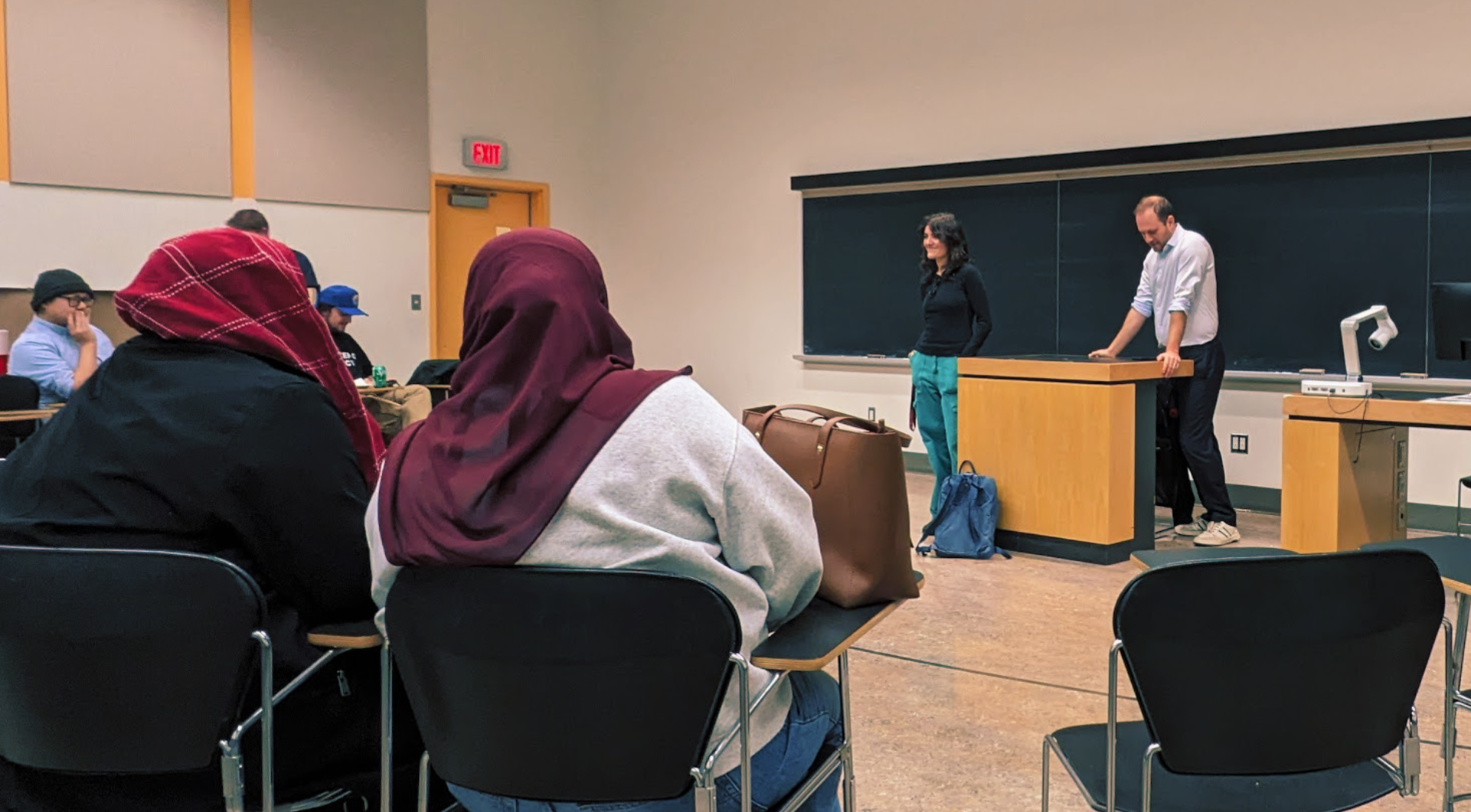
Leaving the event, I didn't feel star-struck. I felt something better: challenged.
Challenged to participate instead of sitting in the cheap seats of cynicism. Challenged to ask hard questions without turning disagreement into personal hatred. Challenged to support politicians when they are right and criticize them when they are wrong—even when they are your favourites.
Nate Erskine–Smith reminds me that politics remains one of the few arenas where serious people can still do serious work. He also reminded me, indirectly, that seriousness is in short supply, and that the public must demand it.
Participation is not enough on its own. Admiration is not enough on its own. We need a politics that is willing to defend rights materially, not symbolically, to speak honestly about fiscal limits without lapsing into austerity slogans, and to stop treating elected office as a rehearsal space for whatever comes next.
If there is a single conclusion I draw from listening to him, it is this:
“Democracy doesn't improve when "better people win."
It improves when citizens insist on better behaviour from the people already there—including the ones they like.”
That is the job now. Show up. Push back. Participate. Expect more.
Not as fans.
As citizens.
This piece was written by an individual contributor and reflects the editorial position of The Provincial Times and Left Lane Media Group. Read our Content Policy here.