ADAMS: It’s Time For A Brutal, Honest Assessment Of The Ontario Liberal Party
For seven years, the Ontario Liberal Party has been a ghost. Not the kind that haunts, but the kind that fades, unnoticed, into the background. Since the devastating collapse of 2018, the party has wandered the wilderness without a map and without the courage to admit it is lost.
As a member of the Ontario Liberal party, I know exactly what the problem is: the party shows up at election time, asks for votes, and then—when it fails to win more than a handful of seats—it retreats. The Ontario Liberals vanish from the public eye, crippled by the lack of official status at Queen's Park, while Ford PC's operate with barely a whisper of effective, sustained opposition from us.
The Liberals have done almost nothing to earn the title of “government-in-waiting.” In fact, they have done shockingly little to earn the title of being an “opposition party.”
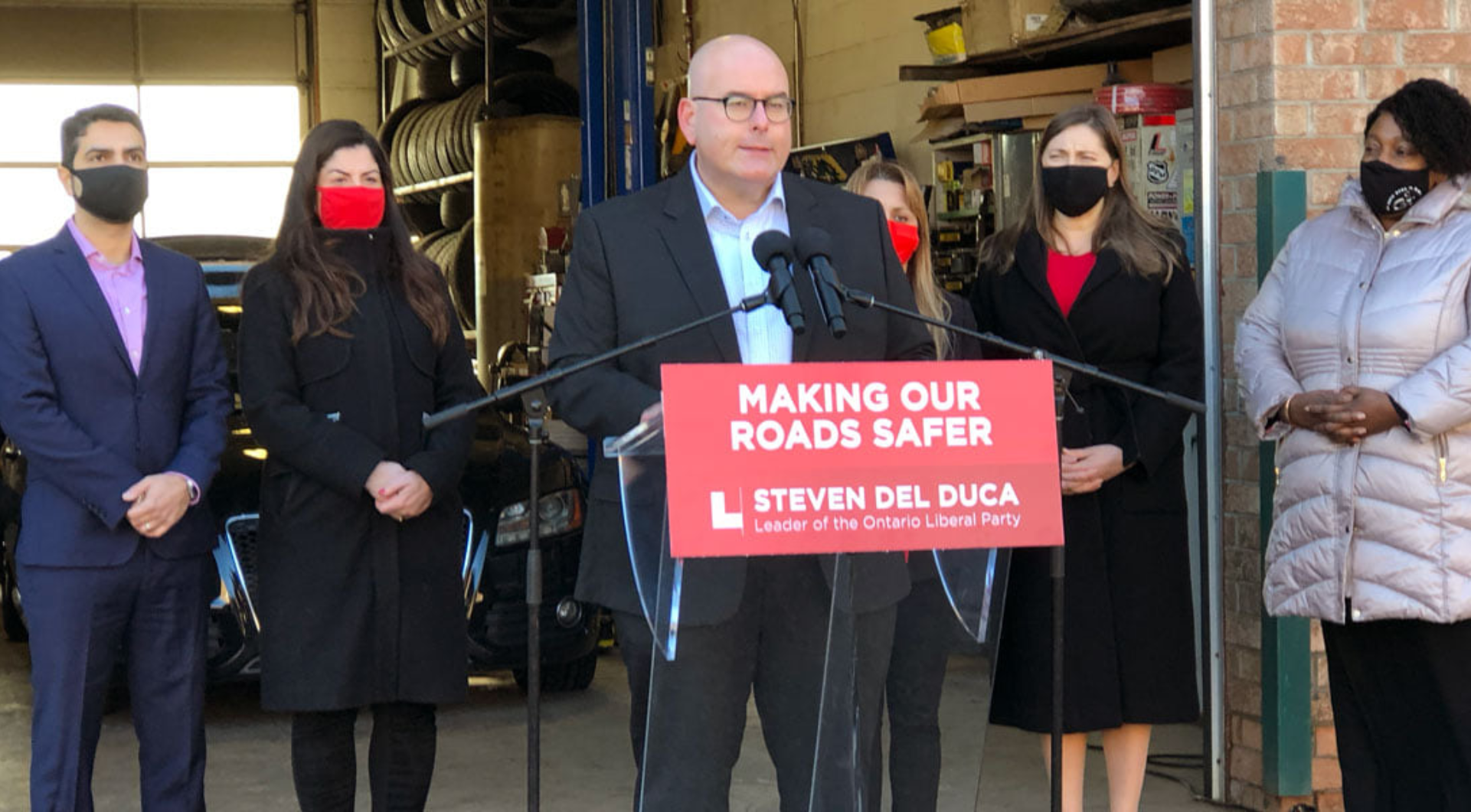
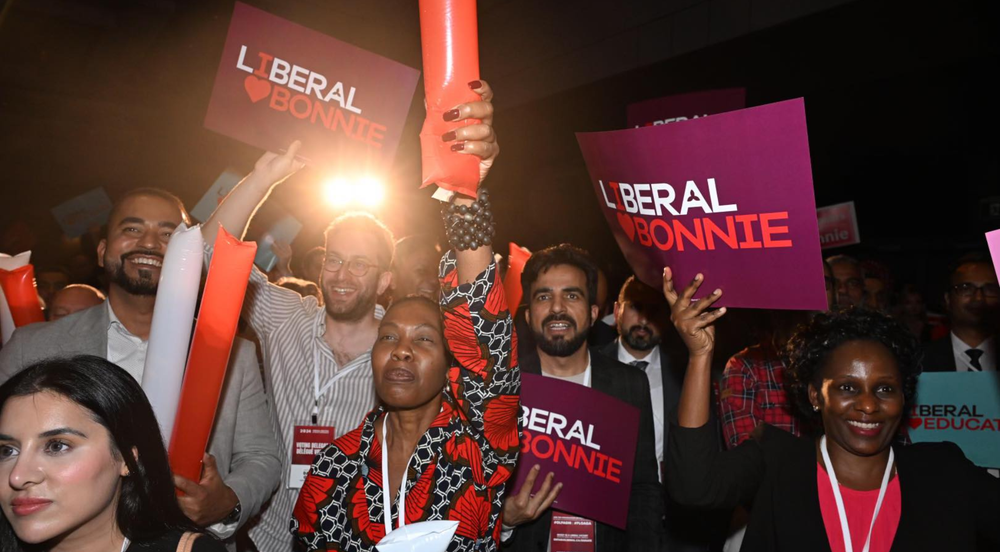
As a member of the Ontario Liberal party, I feel the recent leadership tenures of Steven Del Duca and Bonnie Crombie are not just individual failures; they are symptoms of a profound institutional sickness.
Del Duca led through a pandemic with the visibility of a spectre. His 2022 campaign culminated in a platform better remembered for a gimmicky fast-food card than for any real, compelling vision. He lost his bid for a seat in his own riding. The party remained stuck, irrelevant.
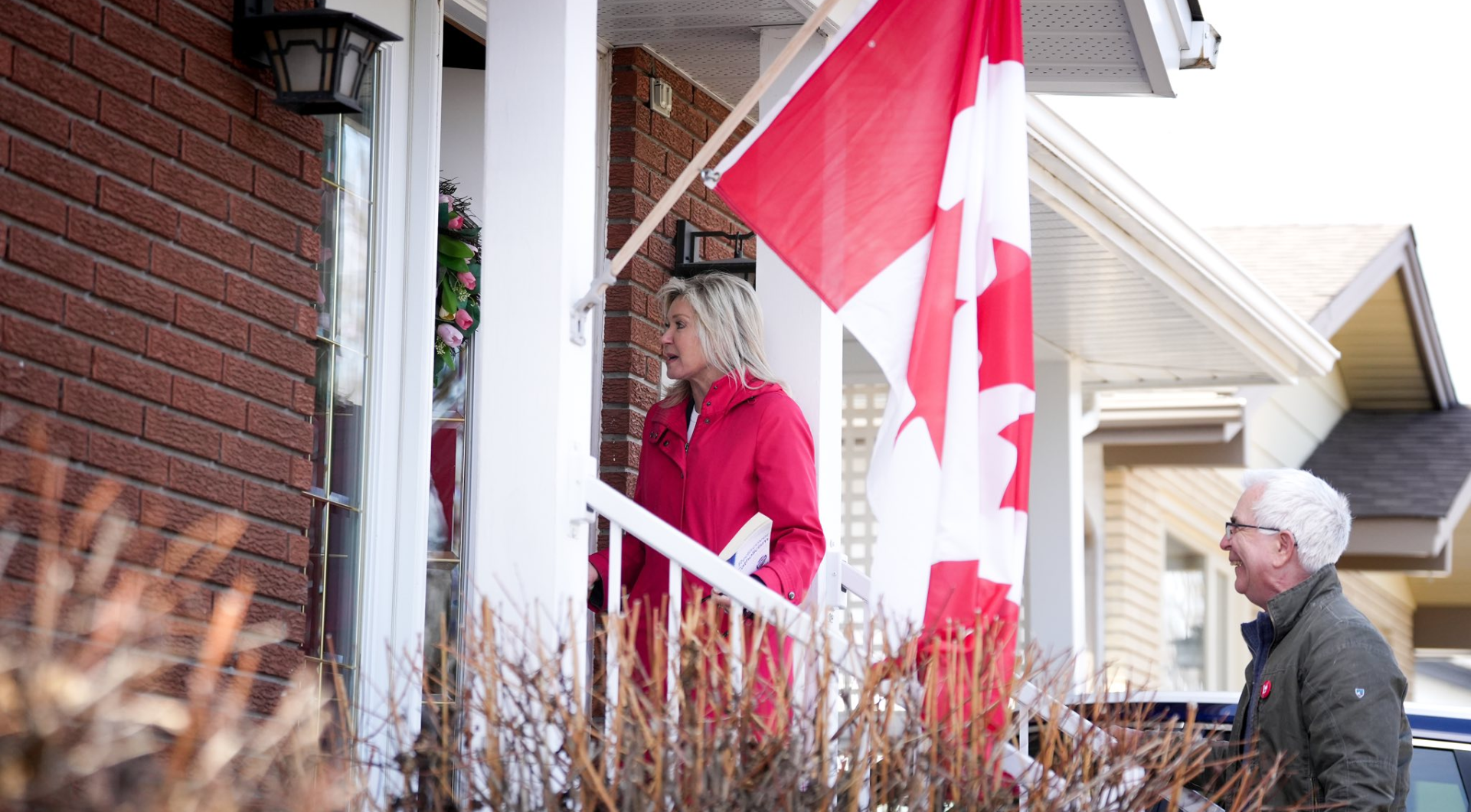
Crombie arrived with higher profile and promise, yet repeated the cardinal sin: she could not win her riding, either. Her campaign struggled with a fundamental identity crisis; trying so hard to appear fiscally prudent and moderate that she blurred the lines between herself and Ford.
It was the old, fatal play: move to the centre, lose your base, and inspire no one. She offered managerial competence at a moment that demanded clear, principled contrast. The result? Modest vote share, pitiful seat counts, and a government handed successive majorities.
But here is the hardest truth, one we must confront: The greatest failure for the OLP is not between elections, but between them.
The daily, grinding work of holding power to account by dissecting legislation, exposing waste, championing alternatives in committee, and demanding answers in Question Period have been left almost entirely to Marit Stiles and the ONDP. By structural choice and organizational torpor, the OLP has become a non-entity in the legislature.
Our party asks hundreds of thousands of Ontarians for their vote, and in return, we're offered a party that, once the ballots are counted, effectively disappears. They siphon votes, fracture the opposition without earning seats, and guarantee Ford's continued mandates, while contributing nothing to the governance or scrutiny of this province for years at a time.
So, What Is To Be Done?
First, we must stop pretending the old path works. Cautious centrism and hoping for a Ford collapse are not strategies. They are excuses for irrelevance. Eligible voters in Ontario who haven't voted over the past 8 years aren't going to suddenly vote for a party that continues beingunable to offer a legitimate alternative at the Ford PC's.
Second, we must redefine our purpose between elections. If we lack the seats for official status, then we must build influence through relentless, street-level organizing, through bold policy development, and through forming credible, public alliances on issues of common cause. We must become a movement outside the walls of Queen's Park because we have forfeited our voice within them.
Third, we must learn to work with the ONDP and the Greens. If an election were held today, Interim Leader John Fraser must forge a strategic alliance, not only with the ONDP, but with Mike Schreiner's Green Party as well, concentrated in key ridings where vote-splitting threatens our shared goals. This is a necessary first step toward delivering real electoral reform: ranked ballots and recall legislation to ensure that never again can a party with under 40% of the vote seize absolute power.
Finally, we need to ask the existential question: what do we stand for, uniquely, in 2026 and beyond? If the answer is merely “We're not Doug Ford, and we're not Marit Stiles,” then we deserve our fate. Voters deserve a positive reason to choose us, a vision of government that is both competent and courageous, pragmatic and principled.
The Ontario Liberal Party can be revived. But not by waiting for a saviour, not by running another cautious campaign, and certainly not by continuing to be a ghost.
It starts with a single, daring admission: We have failed. And from that honest foundation, we must rebuild, or make way for those who will.
This piece was written by an individual contributor and reflects the editorial position of The Provincial Times and Left Lane Media Group. Read our Content Policy here.