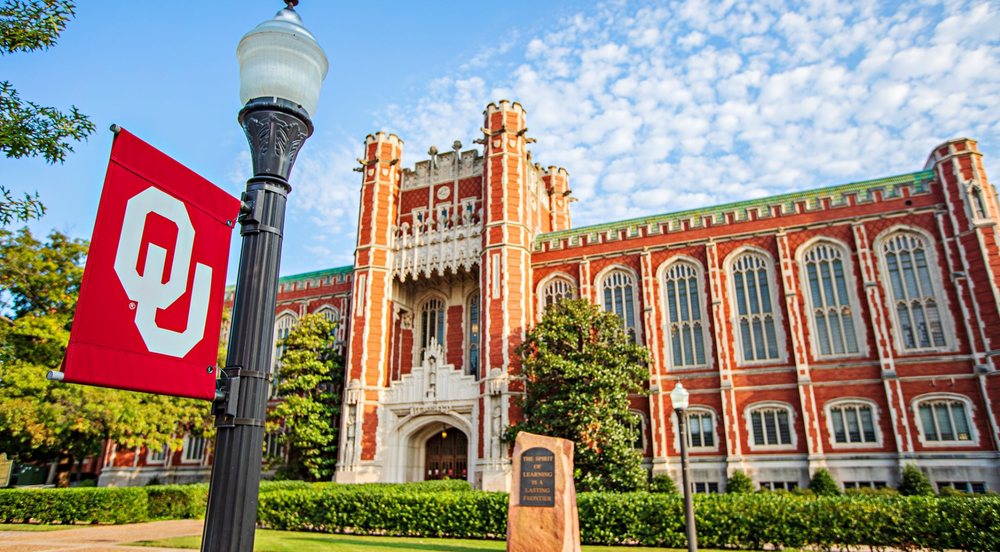
ADAMS: The University of Oklahoma has surrendered its academic integrity
By any reasonable standard, universities exist for a simple purpose: to uphold academic integrity, defend the work of their faculty, and provide students with the tools to think critically. Increasingly, however, some institutions appear willing to discard those principles the moment a coordinated online mob demands it. The University of Oklahoma's latest capitulation is a case study in how quickly administrators will abandon their educators when confronted with the right constellation of political pressure.
The situation is straightforward. A student submitted an essay that was supposed to analyze “how people are perceived based on societal expectations of gender.”
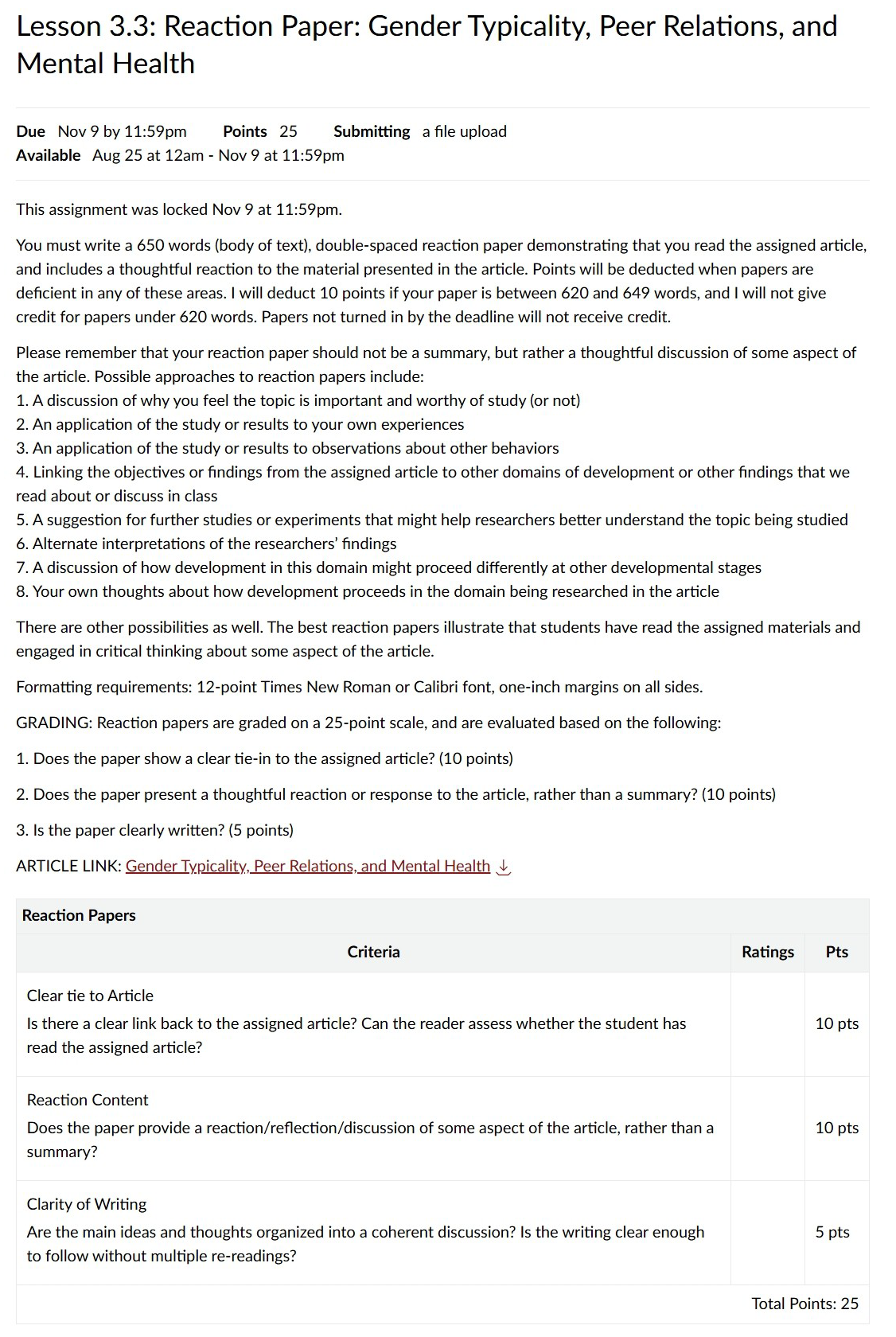
Instead, she submitted a meandering sermon that failed to cite the assigned reading she claimed to be rebutting, failed to identify its author, and, remarkably, failed to include a single Biblical chapter or verse despite centring her argument on Scripture. What she produced was an ideological manifesto devoid of academic foundation, critical engagement, and basic structure. In any serious university, this would be the end of the matter: a poorly written essay earns a poor grade. That's how education works.
But this wasn't handled by a serious university—at least not this week.
Instead of backing their instructor, who happens to be transgender, the University of Oklahoma placed them on administrative leave after the student ran, predictably, to the right-wing establishment media. Overnight, a failing paper was transformed into a national cause célèbre about “religious discrimination,” despite there being no credible evidence that anything of the sort occurred. This is how academic standards collapse: not with a policy change, but with a whimper from administrators terrified of online backlash.
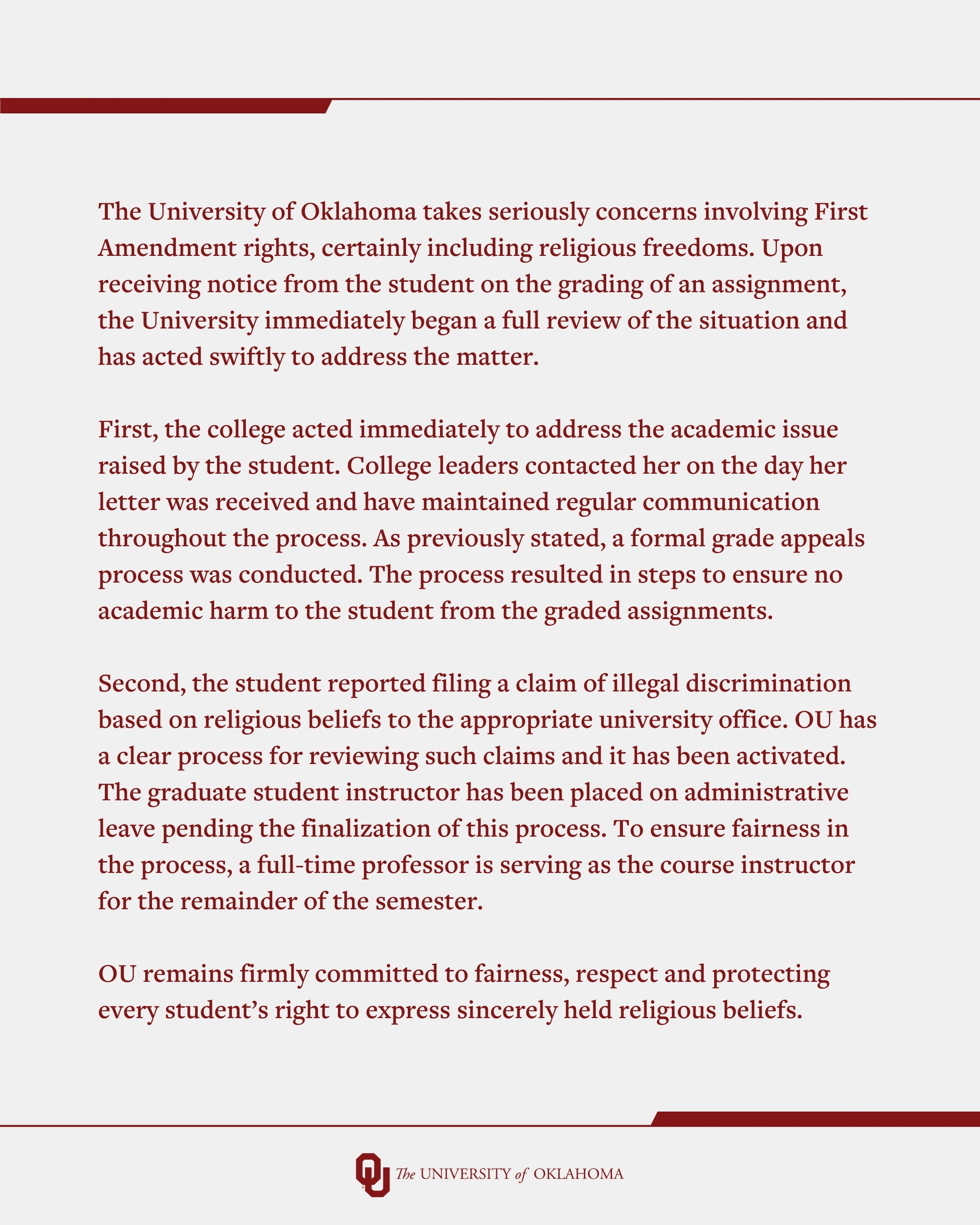
The message from the University of Oklahoma is unmistakable: if a student produces work so breathtakingly shoddy that it cannot pass even the most generous academic criteria, so long as they threaten the right people, the institution will reward them. This is not defending free expression or balancing competing rights. This is caving to bullying. And the consequences are profound. When a university allows itself to be intimidated into punishing an instructor for applying reasonable academic expectations, it ceases to be an institution of higher learning and becomes a factory for participation trophies.
At this rate, one imagines the next headline: University suspends math professor after failing student who wrote “Jesus is the answer” for every question on the exam. This is not hyperbole. It is the logical extension of the precedent now being set. If students can now invoke “religious discrimination” whenever their arguments fail to meet academic standards, what exactly is the point of having standards at all? Can someone walk into organic chemistry, scribble “carbon chemistry is demonic,” hand it in as their midterm, and expect an A by filing a complaint? Is that where the University of Oklahoma is headed?
The university's decision is not simply embarrassing; it undermines the integrity of its degrees. Employers expect that graduates of a major public institution have demonstrated some measure of academic rigour. But what does a degree from Oklahoma mean when students can bypass that rigour through political theatre? And make no mistake: this controversy is not an organic expression of student concern. It is part of a broader pattern in which the right-wing establishment media elevates trivial classroom disputes into national moral panics.
Their objective is clear: intimidate educators, censor critical discussions, and weaponize “religious freedom” as a shield against accountability. This case fits the pattern perfectly. The student's essay, as sourced above, is illiterate, devoid of structure, and uninterested in engaging with the actual subject matter. Yet it has become the latest prop in an increasingly cynical culture war.
Universities should be the last line of defence against this kind of manipulation. Instead, Oklahoma's administration sprinted to the exit, terrified of standing behind its own faculty. This is a moment that calls for leadership. It calls for administrators to say clearly that academic standards apply to everyone. It calls for the fortitude to tell political actors—inside and outside the classroom—that they do not get to dictate grading policy based on ideological affiliation. Instead, Oklahoma's leadership folded like a cheap tent.
And so the message is now painfully clear: if you want an education grounded in evidence, rigour, and honest inquiry, you may want to look somewhere other than the University of Oklahoma.
For now, it seems the institution is more comfortable appeasing illiteracy than defending its own educators. In the long run, that is a disaster not only for the university—but for every student who hoped their degree would actually mean something.
This piece was written by an individual contributor and reflects the editorial position of The Provincial Times and Left Lane Media Group. Read our Content Policy here.