
ADAMS: Why is Canada’s NDP leader using right-wing talking points on medical assistance in dying?
During my four years in political commentary, I've seen political figures change their minds, evolve their positions, and sometimes disappoint their supporters. But I can count on one hand the moments I've watched a federal party leader stand at a microphone and so thoroughly betray the very principles their movement claims to hold while simultaneously getting the facts wrong.
This week, that moment arrived.
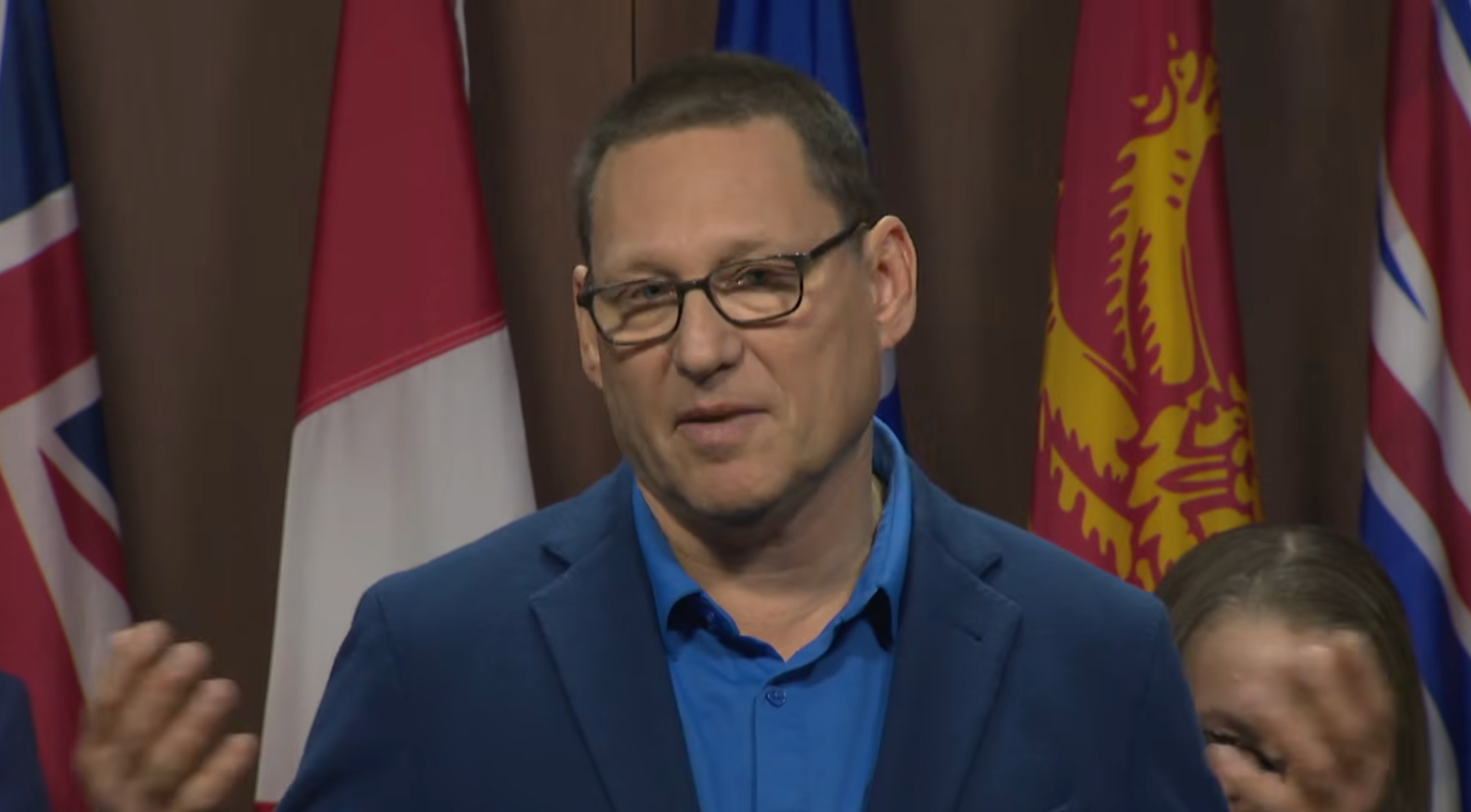
At a press conference about mental health funding, NDP Leader Avi Lewis was asked about the ongoing parliamentary debate over Canada's medical assistance in dying (MAID) framework, and specifically whether the temporary exclusion for mental illness as a sole underlying condition should be extended. It was a straightforward question. It deserved a straightforward answer. Instead, Lewis delivered a response so riddled with inaccuracies and so lacking in compassion that it requires calling out.
Let's be clear at the outset: I make no secret that I've had my differences with Avi Lewis. But what I'm addressing here isn't about my position on his personality or platform. It's about honesty. It's about a pattern. And it's about the casual cruelty that seeps in when a politician decides that complexity doesn't matter and that a vulnerable population can be treated as a rhetorical prop.
NDP leader Avi Lewis claims that MAID is being used out of desperation rather than a genuine desire to die. Video credit: CPAC
Lewis's answer went like this: “I think the question of MAID in Canada has been refashioned recently as we see people choosing MAID out of desperation … If people are choosing MAID, choosing to die because they can't get supports that they need in life, something is broken in our system.”
There is a word for that argument. It’s not "progressive." It's not "compassionate." It's dishonest—to a horrific degree.
Canada's MAID system is not a monolith. There is a fundamental and legally enshrined distinction between Track 1, for those whose natural death is reasonably foreseeable and who are suffering grievously from an irremediable condition, and Track 2, for those whose natural death is not reasonably foreseeable, where mental illness is the sole underlying condition. Track 2 is what Parliament is currently examining. The Supreme Court has been clear, the legislation is clear, and anyone who bothers to read it would know that these are not the same populations.
But Avi Lewis flattened them. He conjured an image of helpless people—disabled people, poor people being pushed toward death because Ottawa failed them. He cast the entire MAID framework as a symptom of a broken system. In doing so, he did not just ignore the nuance. He actively erased the lived reality of thousands of Canadians and their families who have fought for the right to a dignified death.
I want to talk about those people. Not abstractions. Real human beings.
Imagine you are living with a neurodegenerative disease like Alzheimer's. You have watched a parent fade into a shell, unable to recognize their own children, unable to speak, unable to control their body, lingering for years in a state of profound helplessness. You have made an advanced request for MAID precisely because you value your autonomy and you know what lies ahead.
You are not “desperate for supports.” You don't want to spend two decades vanishing into a fog while your family watches and your friends die. You want to die on your own terms, with clarity, with dignity, while you are still you.
Now re-read Avi Lewis's words.
He is telling you—with no data, no evidence, and apparently no thought—that your choice is a symptom of a broken system. That if only you had the right "supports," you wouldn't be making that decision. It is paternalism laundered into the NDP with the language of the left, and it is every bit as cruel as the paternalism we condemn on the right.
Mental illness does not automatically mean depression. Alzheimer's is a mental illness. Huntington's disease has psychiatric and cognitive components. These are organic, progressive, incurable conditions. By conflating all mental illness under one banner, Lewis implied that the debate is about people with curable depressive episodes being euthanized by a negligent state. It is not.
The existing safeguards are stringent. The bar is, in my view, arguably too high. And the people who seek MAID under these circumstances are not looking for an easy way out; they are looking for an exit from unendurable suffering that no amount of social support can alleviate.
The breathtaking dishonesty cuts deeper because it mirrors a pattern we've seen before. In his first major press conference as leader, Lewis made startling claims about algorithmic pricing, that Canadians were being spied on by “smart price tags,” something that, as a previous article on this very site later revealed, does not exist in the way he described. He provided nothing then. He provided nothing now. When the facts don't fit, the fiction fills the gap.
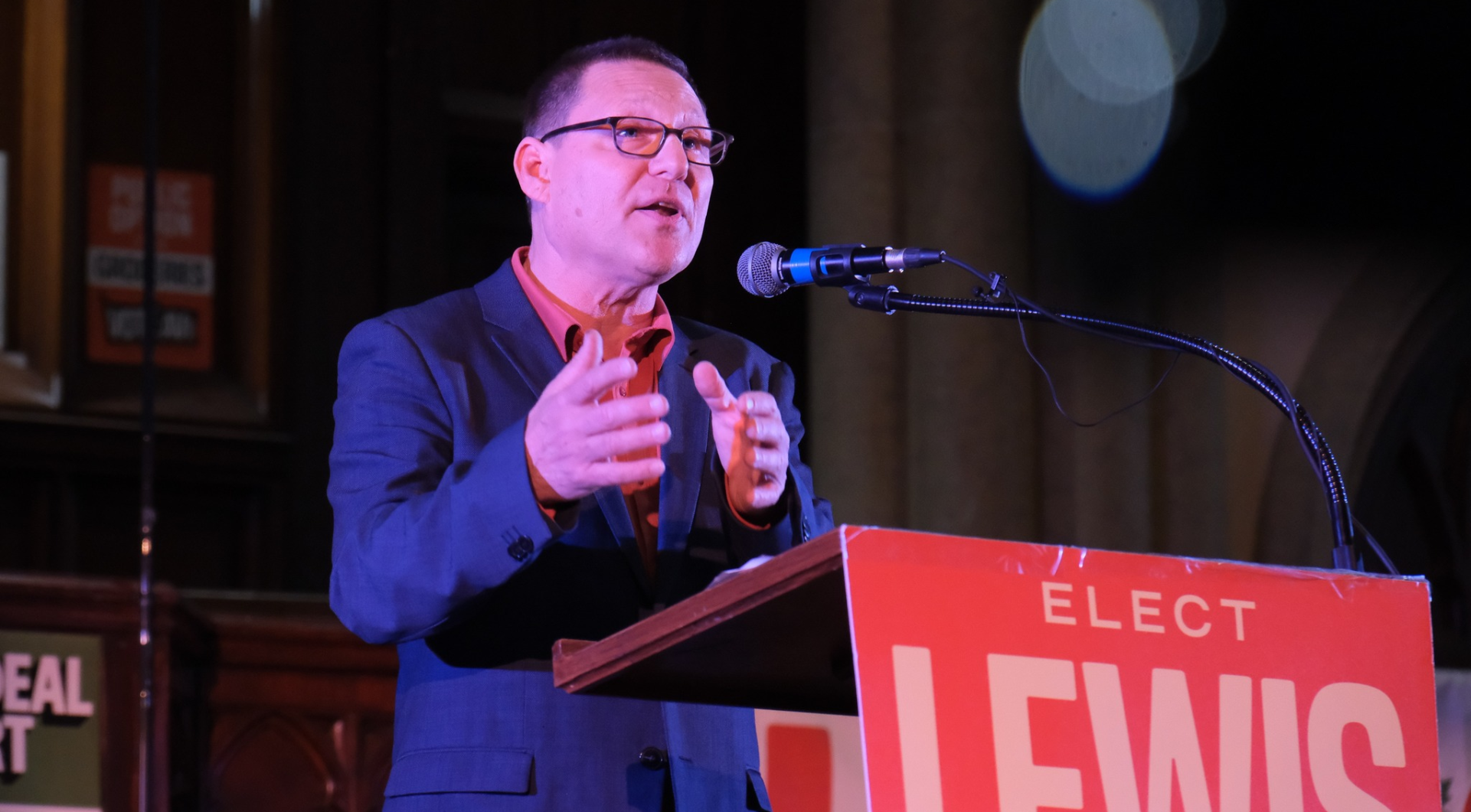
When a national leader, one who aspires to form government, speaks about an issue as sensitive and as legally intricate as assisted death, their words carry weight. They can sow panic, shape public misunderstanding, and cause real harm to people who already face enough stigma. The disability community, the Alzheimer's advocacy community, the palliative care community—they all deserve better than a soundbite designed to play to a gallery without regard for the truth.
And make no mistake: what Lewis did is not a left-wing position. It is indistinguishable from the talking points used by some social conservatives who have opposed MAID from the start: that it's a cost-saving measure, that it's Ottawa getting rid of the inconvenient, that it's about broken supports rather than autonomy. It is surreal to hear it now coming from the leader of the federal NDP.
The compassionate position—the truly progressive position—holds both truths at once. Yes, we must invest massively in mental health care, disability benefits, and community supports so that nobody feels economic pressure to end their life. And yes, we must respect the deeply personal, autonomous decision of a competent adult who, facing a grievous and irremediable condition that will rob them of everything they are, chooses the time and manner of their death. Silencing the second part in order to amplify the first is not a balancing act; it is an abandonment.
I am not calling Avi Lewis a bad person. I am calling him what his own words prove him to be in this moment: a politician who was careless with the facts, dishonest about a complex legal framework, and, in the process, deeply unkind to a whole class of suffering Canadians who deserve his respect, not his slogans. If he wants to lead, he owes the country an apology and a correction. On this file, so far, he's offered neither.
Canadians who believe in dignity in death and in truth in politics should take note.
This piece was written by an individual contributor and reflects the editorial position of The Provincial Times. Read our Content Policy here.

Comments