
Carney Liberals recruit Erin O’Toole and opposition heavyweights for cross-partisan trade council

In a striking display of unity ahead of the high-stakes CUSMA joint review this summer, former Conservative leader Erin O'Toole has accepted an appointment to the Prime Minister's new Advisory Committee on Canada-U.S. Economic Relations. O'Toole will sit alongside former Conservative deputy leader Lisa Raitt, former Quebec premier Jean Charest, and a roster of premiers, CEOs, and labour leaders in what the government is framing as an "all hands on deck" approach to managing the country's most vital trade relationship.
The committee, announced Tuesday and chaired by Dominic LeBlanc, the Minister responsible for Canada-U.S. Trade, will hold its first meeting on April 27th. Its mandate is to provide strategic counsel as Ottawa prepares for the formal review mechanism embedded in the Canada-United States-Mexico Agreement, which takes effect July 1, a process that will determine whether the continental trade pact is extended for another 16 years.
For a Prime Minister who has staked his early tenure on stabilizing the bilateral economic file, the panel's composition is a deliberate political statement. By bringing O'Toole and Raitt into the government's orbit, Carney is signaling that the months ahead require a unified Canadian front rather than partisan division.
O'Toole, who led the Official Opposition during the volatile final months of the first Trump presidency and the early Biden years, retains significant goodwill among Republican governors and midwestern business councils. His acceptance letter lays bare his motivation.
“Canada's security and prosperity have been my life's mission,” O'Toole wrote. “I will approach this work constructively because it is bigger than politics. I will fight for Canada's entrepreneurs working hard to pay their employees through tariffs and for innovators trying to keep their intellectual property and jobs in Canada.”
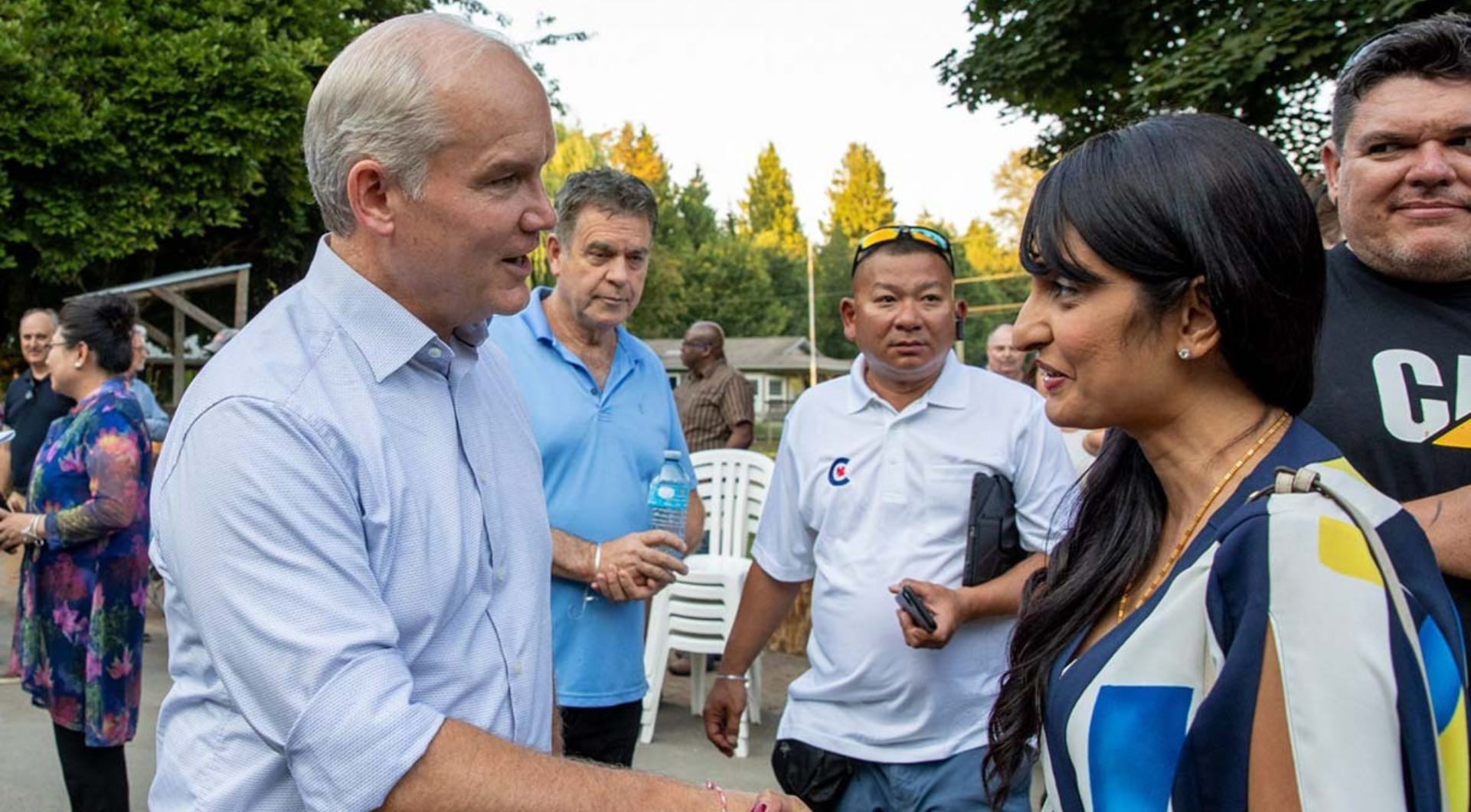
O'Toole's collaboration with the Prime Minister's Office underscores the committee's animating principle: that the Canada-U.S. file, while never far from the political surface, is too consequential to be treated as a partisan battleground.
Raitt, a former transport minister who navigated cross-border infrastructure negotiations and now co-hosts a political podcast, brings a similar ethic to the table. Her presence, alongside O'Toole and Charest's, ensures that the Conservative voice at the table is one steeped in governing experience rather than oppositional reflex.
The 25-member panel also includes Nunavut Premier P.J. Akeeagok, whose territory's strategic Arctic position is of growing interest to Washington; BMO chief executive Darryl White; Unifor national president Lana Payne; and Automotive Parts Manufacturers' Association president Flavio Volpe. The breadth of geographic, sectoral, and political representation reflects a recognition within the Carney government that the CUSMA review will be won or lost in the details of supply chains, rules of origin, and labour standards, not in Ottawa press releases.
With 85% of Canadian exports to the United States currently moving tariff-free under terms Carney negotiated earlier in his mandate, the government enters the joint review with a foundation of relative stability. But the Prime Minister has made clear he intends to build on that advantage, not merely preserve it.
The inclusion of O'Toole and Raitt suggests the Carney Liberals are willing to share the credit—and the heavy lifting—with those who once sat across the aisle. In a political era where cross-partisan cooperation often feels like a relic, the new advisory committee offers a counter-narrative: that when the stakes are measured in jobs, investment, and national prosperity, Canada comes first.

Comments