
ADAMS: Conservatives Hypocritically Vote Against National School Food Program Act
The Poilievre Conservatives have mastered the art of presenting themselves as champions of the working class, speaking loudly about affordability, taxes, and the struggles of everyday Canadians. But a closer examination of their actions in Parliament tells a far different story, one of performative outrage masking a record of voting against the very people they claim to represent.
For months, Pierre Poilievre has crisscrossed the country, decrying the cost of living and accusing the government of “ruining Christmas” by not immediately scrapping the consumer carbon tax.
Pierre Poilievre makes an emotionally manipulative statement, claiming Justin Trudeau “ruined Christmas.” Video credit: CPAC
It is a simple message designed to resonate with families feeling the pinch of inflation. Yet, while the Leader of the Opposition commands attention with his slogans, his party's voting record in the House of Commons reveals a disconnect between the populist image and the policy reality.
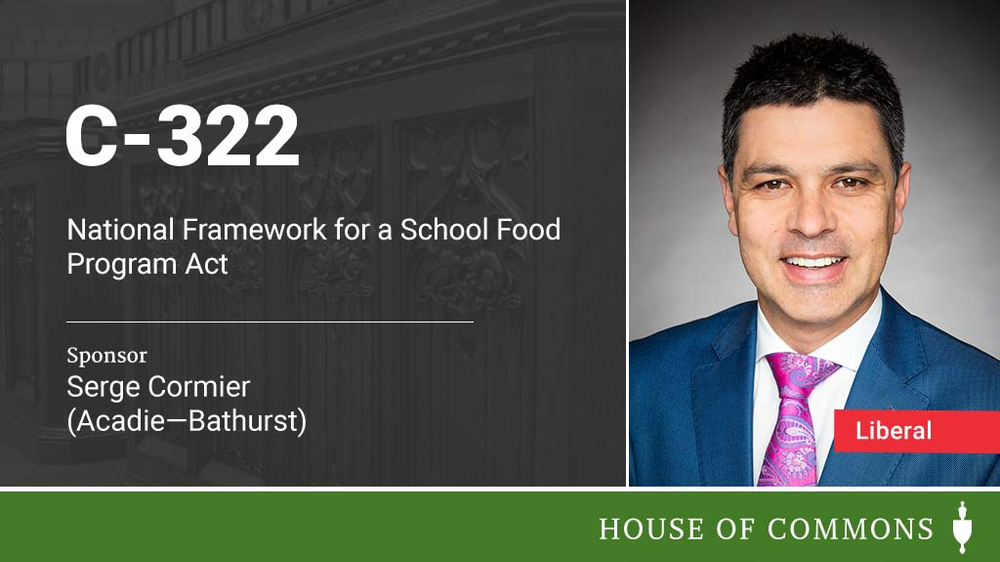
A clear example is Bill C-322, An Act to Establish a National Framework for a School Food Program. Sponsored by Liberal MP Serge Cormier, this legislation is precisely what it sounds like: a framework to study and develop a national program aimed at ensuring no child in Canada has to attend class on an empty stomach.
The Conservatives themselves have acknowledged that child hunger is a pressing issue. One would think that addressing a challenge acknowledged by all parties would be a matter of national consensus.
It was not. The Conservative Party was the only one to vote against it.
The excuses offered by the right-wing establishment media have become predictable. They employ the well-worn tactic of dismissing any opposition-backed initiative as a Trojan horse for hidden Liberal agendas or secret spending. But a simple, unbiased reading of the bill's text reveals it to be straightforward and administrative. It proposes no immediate spending; it merely sets a timetable for consultation and the creation of a framework to be implemented over a year later. It is, in essence, a plan to make a plan to feed hungry kids.
The Conservative rationale boils down to a childish veto: “This is bad because Trudeau is bad.” This obstructionist agenda suggests a party so consumed by partisan warfare that it is willing to deny a path toward solving a real, human problem simply because the idea originated on the other side of the aisle.
This obstruction stands in stark contrast to the leader’s personal circumstances. Poilievre has spent a career enjoying the generous benefits of a taxpayer-funded salary, pension, and comprehensive dental care plan. It is, to put it mildly, a position of privilege from which to vote against a bill designed to explore how to provide dental care for children under 12 or a framework to help feed those same children. It raises a question: if you are unwilling to even study how to help the most vulnerable, who are you actually fighting for?
The answer increasingly appears to be a narrow base of donors and ideologues. The Conservative leader has shown a willingness to traffic in baseless conspiracies and inflammatory language—such as dismissively referring to attainable housing as “shacks”—to fire up a crowd and garner support.
Canadians are right to be frustrated with the current government. But the choice in the next election should be between competing visions for the country's future, not between a flawed government and an opposition that offers only slogans, excuses, and a legislative record that consistently votes against the interests of the very people it claims to champion. If Poilievre wants to be trusted with the nation's problems, he must first demonstrate that he is willing to be part of the solution.
So far, he has failed that test.
This piece is an archival work of the author, originally published elsewhere, and is presented here for historical record. The views expressed are solely those of the author and do not necessarily reflect the editorial position of the Provincial Times. Read our Content Policy here.

Comments