HARRIS: Floor Crossings Expose a Rotten Political Culture
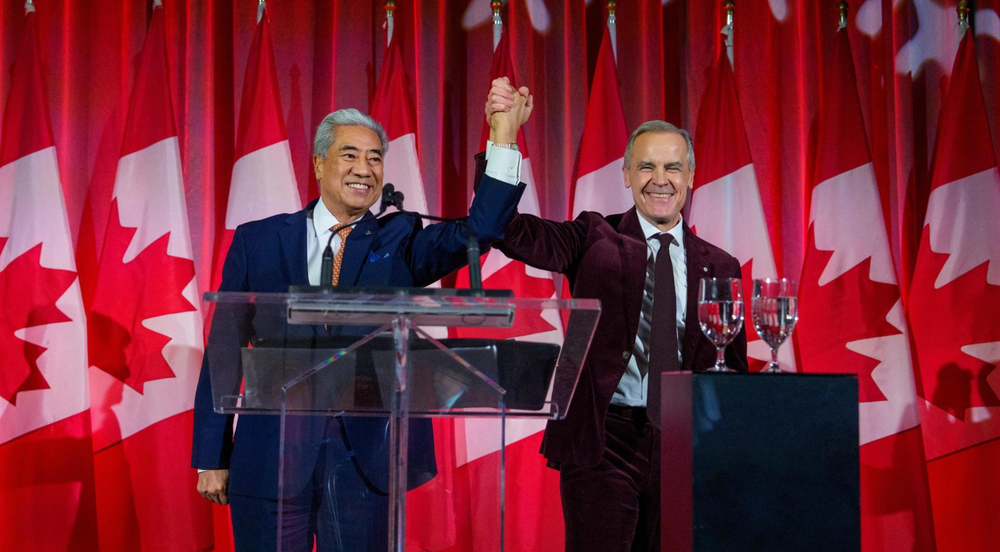
In late 2025, Canada’s political landscape underwent a striking shift: two sitting Members of Parliament (MPs) elected under the Conservative banner chose to abandon their party and join Prime Minister Mark Carney’s Liberal Party. Chris d’Entremont, MP for Acadie–Annapolis in Nova Scotia, crossed the floor in early November, followed by Michael Ma, MP for Markham–Unionville in Ontario, in December.
These defections have moved Carney’s minority government to within one seat of a majority, fundamentally altering parliamentary dynamics and signalling deeper structural problems within Canada’s political system.
Floor crossing, when an elected representative formally changes party affiliation without a new election, is not unprecedented in Canadian politics. According to parliamentary records, more than 300 MPs have crossed the floor since Confederation in 1867, reflecting both shifting ideological alignments and individual strategic calculations.
Yet even within this historical context, becoming the second Conservative MP to cross in a matter of weeks is notable. Where once such moves were relatively rare or tactical, the recent sequence suggests more than isolated personal decisions it points to an underlying instability within the Conservative Party and a broader erosion of party cohesion amid shifting political incentives.
Chris d’Entremont: Tradition Meets Turmoil
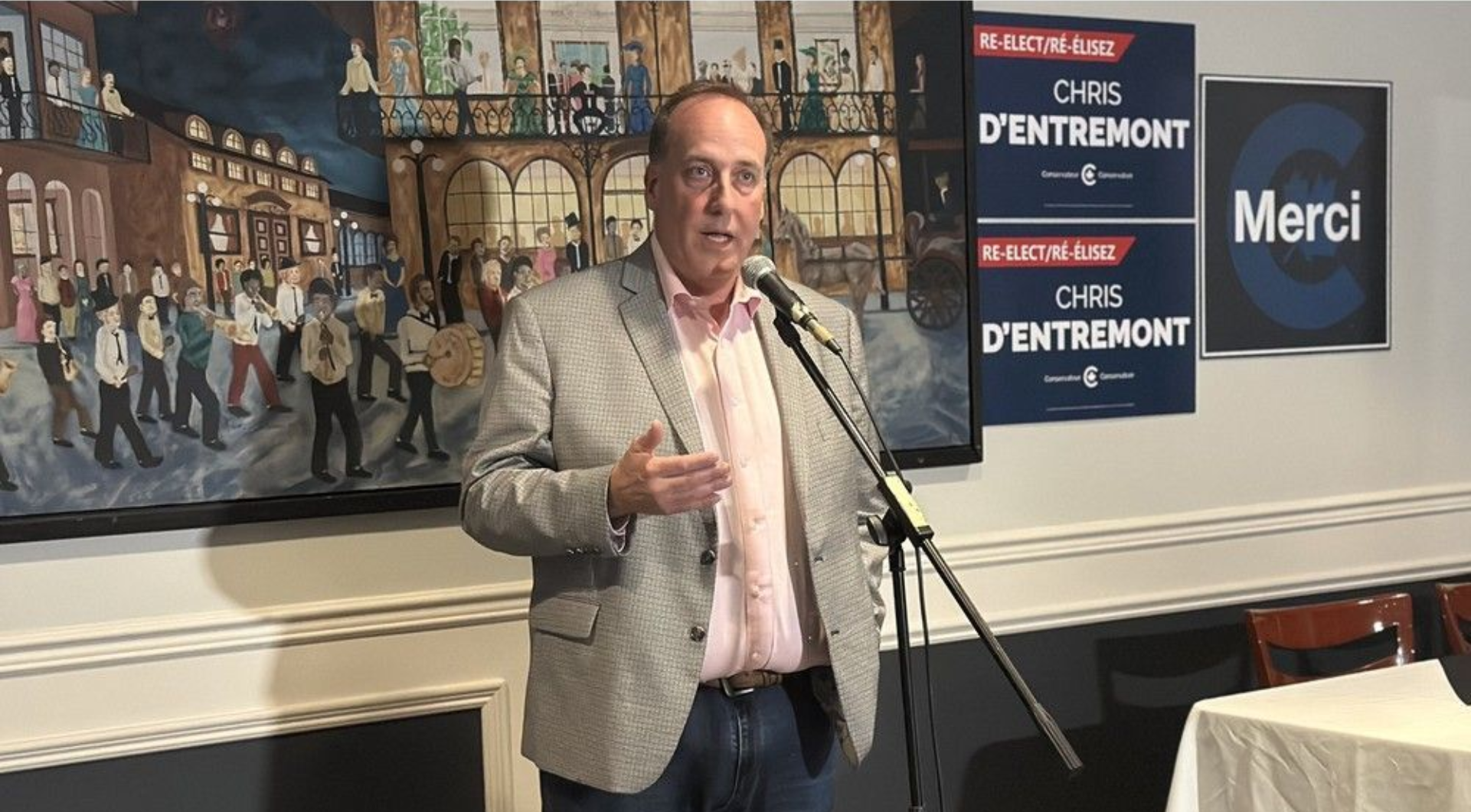
Chris d’Entremont’s journey highlights the tension between personal ideology, constituent representation, and party alignment. A veteran politician with deep roots in Nova Scotia, he was re-elected in 2025 after a long electoral history stretching back through multiple federal cycles. Yet in November 2025, he announced his departure from the Conservative caucus and joined the Liberals, citing a lack of alignment with Conservative leader Pierre Poilievre’s direction and a desire to be “part of the solution” rather than “negative.”
D’Entremont’s explanation echoes a familiar theme in party politics: a claim that disagreement with leadership style or policy priorities justifies crossing to the governing party. Yet libertarians who view political allegiance as subordinate to principle and accountability to the electorate are right to ask: were these disagreements substantive reflections of constituent will, or personal and political incentives born of convenience?
Indeed, many observers noted that d’Entremont’s seat was closely contested. He had won narrowly in elections past, and his conservative pedigree did not reflect an overwhelming ideological mandate, particularly against Liberal challengers. When such marginal seats switch allegiance without a referendum of the electorate itself, it raises concerns about representation versus opportunism.
Further complicating the narrative are reports (including from local commentators) that party dynamics such as leadership approaches, personal ambitions, or even intra-party disagreements played a role in pushing d’Entremont across the aisle. Some alleged that confrontational interactions with party leadership contributed to his choice, suggesting that internal discipline and personality politics can tilt representatives toward the governing caucus rather than bolstering opposition accountability.
Michael Ma: A New MP, a Strategic Shift
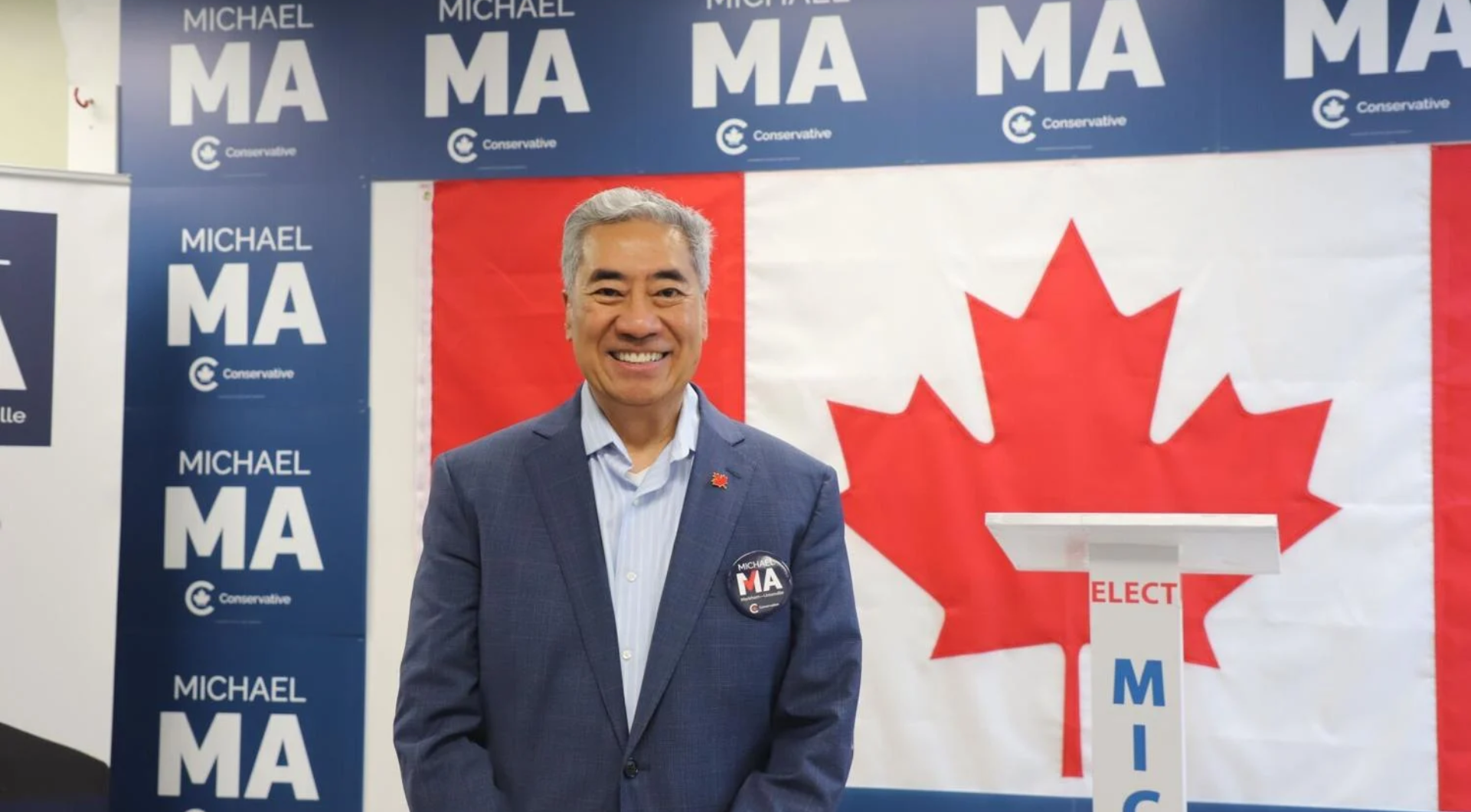
Michael Ma’s defection in December 2025 drew immediate national attention because it brought the Liberal Party to 171 seats in the House of Commons just one seat short of a majority. His move, which he justified by citing a “steady, practical approach” from Carney and listening to constituent concerns on affordability and economic issues, was framed as a thoughtful response to political realities.
Yet this narrative must be scrutinized. Ma had only recently been elected as a Conservative MP in the April 2025 federal election, narrowly defeating his Liberal opponent: evidence that a significant portion of his constituents originally voted against the Liberal platform he now embraces. This raises an uncomfortable question: when an MP switches parties within a single term, does that truly reflect the democratic will of the voters, or does it undermine it?
From a libertarian perspective, representative democracy should mean that MPs act as delegates of their constituents’ values and preferences, not as political free agents reshaping mandates mid-term. A core libertarian principle is accountability to the people and in cases of floor crossing without a by-election, that accountability mechanism is weakened. When an MP is elected under one ideological platform and then switches to another without voter consent, it effectively alters the legislative mandate issued by the electorate.
The Parliamentary Implications
Carney’s government is now a hair’s breadth away from a majority. This shift is significant because a majority government can pass laws unilaterally, without reliance on coalition-building or cross-party negotiation. For a minority government, the need to compromise to find common ground across ideological divides can act as a restraint on legislative overreach. With a majority, those restraints weaken, raising the possibility that the governing party will pursue a broader, unchecked legislative agenda.
This also means that with a majority government on the rise and with Mark Carney only needing one seat to achieve that majority, a 2026 election is unlikely to happen, and most likely will run a tight caucus until 2029.
A Critique of Party Loyalty and Rank Incentives
What motivates MPs who switch sides? The official public reasons often emphasize unity, practicality, or policy priorities. But beneath the surface lie structural incentives of Canada’s parliamentary party system:
1. Party Power vs. Voter Mandate
In Canadian politics, party leaders and caucuses hold considerable sway over MPs’ careers. Seniority, committee positions, and influence often depend on loyalty to party leadership. This dynamic can incentivize MPs to align with parties that hold power, even if it conflicts with their original platform.
Libertarians see this as a flaw: individual representatives should be accountable to their electorate first and party leadership second. When party calculus overshadows voter preferences, democratic representation is diluted.
2. Electoral Safety and Personal Ambition
There is often a calculation behind party switching: MPs may perceive that alignment with the ruling party enhances their chances of political longevity, access to resources, or district-level benefits. While some frame such moves as “in the interest of the country,” from a libertarian viewpoint, this can appear more like self-preservation than principled governance.
Ma’s move, in particular, drew criticism from Conservatives who argued he abandoned the very policies he was elected to oppose, leaving constituents without the representation they initially endorsed.
3. Leadership Style vs. Policy Substance
D’Entremont’s stated discomfort with Poilievre’s leadership style highlights another issue: in deeply polarized politics, differences over rhetoric can overshadow substantive debates over policy. Libertarians emphasize that governance should be rooted in clear principles, limited government, individual freedoms, sound economic,s rather than personal preferences for leadership style
The Risk for Conservative Cohesion
These defections signal a deeper challenge for the Conservative Party (CPC). With two MPs having crossed the floor and others like Matt Jeneroux leaving politics altogether, the party faces questions about its internal unity and direction.
Libertarians critical of establishment parties might interpret this as a symptom of broader ideological fragmentation. The CPC under Poilievre has pushed a populist conservative message that, while energizing some voters, has alienated others who view his leadership approach as too combative or too closely aligned with identity politics rather than a consistent, principle-based platform. The result is an exodus of MPs who feel disconnected not just from their leader’s style but from the party’s ability to represent diverse conservative perspectives.
Libertarian Reflections: Representation, Mandates, and Reform

From a libertarian perspective, the recent floor crossings raise several key points of critique:
1. Voter Mandate vs. MP Autonomy
Elected representatives who switch parties mid-term without direct voter approval create a democratic disconnect. Libertarians might argue for reforms such as recall elections or mandatory by-elections when MPs change party affiliation, restoring direct accountability to voters.
2. Decentralizing Party Power
When party leadership exerts disproportionate control over MPs’ careers, individual representatives become more beholden to internal hierarchies than to constituents. Libertarians support structural reforms that reduce top-down party control and increase local accountability.
3. Majority Governments and Individual Liberties
A majority government concentrated in the hands of a single party poses the risk of rapid policy shifts without robust debate. Libertarians value institutional checks and balances and warning against consolidated power that can erode personal freedoms.
Conclusion: Crossing Floors and the Future of Canadian Politics
The defections of Chris d’Entremont and Michael Ma from the Conservative Party to the Liberal caucus in 2025 represent more than individual career moves. They underscore structural challenges within Canada’s party system, highlight tensions between voter mandates and political incentives, and place the Liberal government within striking distance of a parliamentary majority with significant policy implications.
From a libertarian viewpoint, these events illustrate the need for political reform that strengthens direct accountability to voters, reduces undue party control over representatives, and protects democratic norms against the concentration of power. Floor crossings may be legally permissible, but without mechanisms that tie MPs back to their constituents’ will, they risk eroding the foundational trust that underpins effective representative government.
Ultimately, Canada’s political future depends not just on who sits in Parliament, but on how and why those representatives got there and to whom they feel truly accountable.
The views expressed in this piece are those of the author and do not necessarily reflect the editorial position of The Provincial Times or Left Lane Media Group. Read our Content Policy here.