
Kinew pledges first-of-its-kind social media ban, but enforcement could mean the end of online anonymity
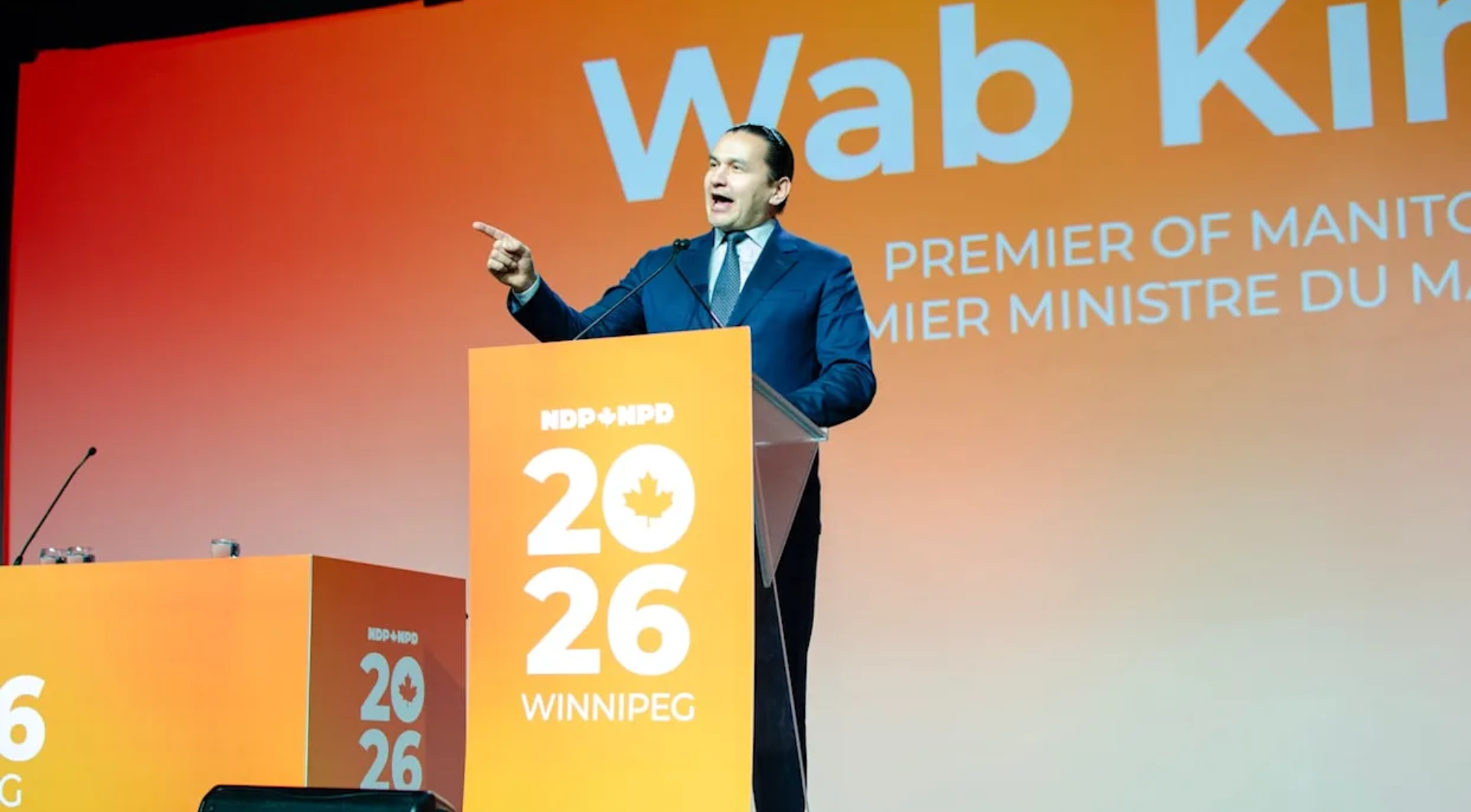
As Manitoba Premier Wab Kinew vowed Saturday night to make Manitoba the first province to ban children from social media and AI chatbots, his pledge quickly collided with an uncomfortable reality: enforcing such a ban would likely require every user to surrender their anonymity—and their government ID.
Speaking to 900 New Democrats at a party fundraiser, Kinew cast the move as a defence of childhood itself.
“These tools have been designed to hack our children’s reward system in their brain,” Kinew said. “These are forces that contribute to anxiety and depression. These are forces that lead to young women being trafficked.”
The premier promised “freedom from surveillance capitalism” and “freedom to be a kid,” but provided no details on how his government would verify a user's age on platforms like Instagram, TikTok, or ChatGPT.
That omission is now the central concern.
Australia, the first country to pass a social media age ban last December, has not yet settled on enforcement. But the leading options—uploading a passport, driver's licence, or biometric data—would effectively end online anonymity for everyone, not just minors.
Without age verification, a ban is easily bypassed. A report by CP24 notes that the mass shooter in Tumbler Ridge, B.C., successfully evaded a ChatGPT ban simply by opening a second account. That case has become a rallying point for those who say only hard identity checks work.
Yet requiring photo ID to post online would create exactly the kind of centralized surveillance that privacy advocates have long fought. Whistleblowers, domestic abuse survivors, LGBTQ youth in unsupportive homes, and political dissidents all rely on pseudonymity to speak safely.
“Anonymity will be impossible,” warned political strategist Jake Landau on X, describing the logical endpoint of Kinew's proposal.
The premier has not addressed these concerns, and his office provided no technical blueprint.
There is also a jurisdictional puzzle. Manitoba has no legal framework to force Meta, X Corp, or OpenAI to verify ages only for Manitobans. That is why Saskatchewan Premier Scott Moe has said Ottawa should lead, and why Prime Minister Mark Carney's Liberal government is “very seriously” considering a national ban. In Quebec, a committee recommended barring social media for under-14s without parental consent, a softer approach than full prohibition.
Kinew says Manitoba will go first, but with the legislature sitting only four more weeks before a summer break, no bill has been tabled.
The premier's rhetoric remains high-minded. “Freedom from the surveillance capitalism that is destroying the free world,” he told the party faithful.
But to deliver that promise, his government may have to build the very surveillance apparatus he condemns—one that tracks every Canadian's identity before they type a word. For now, parents and privacy advocates are left with the same question: how do you save kids from the internet without turning the internet into a police state?
That answer, like the bill itself, remains unwritten.
Comments