
Carney defends floor-crosser majority, vows end to 'cats and dogs' filibustering
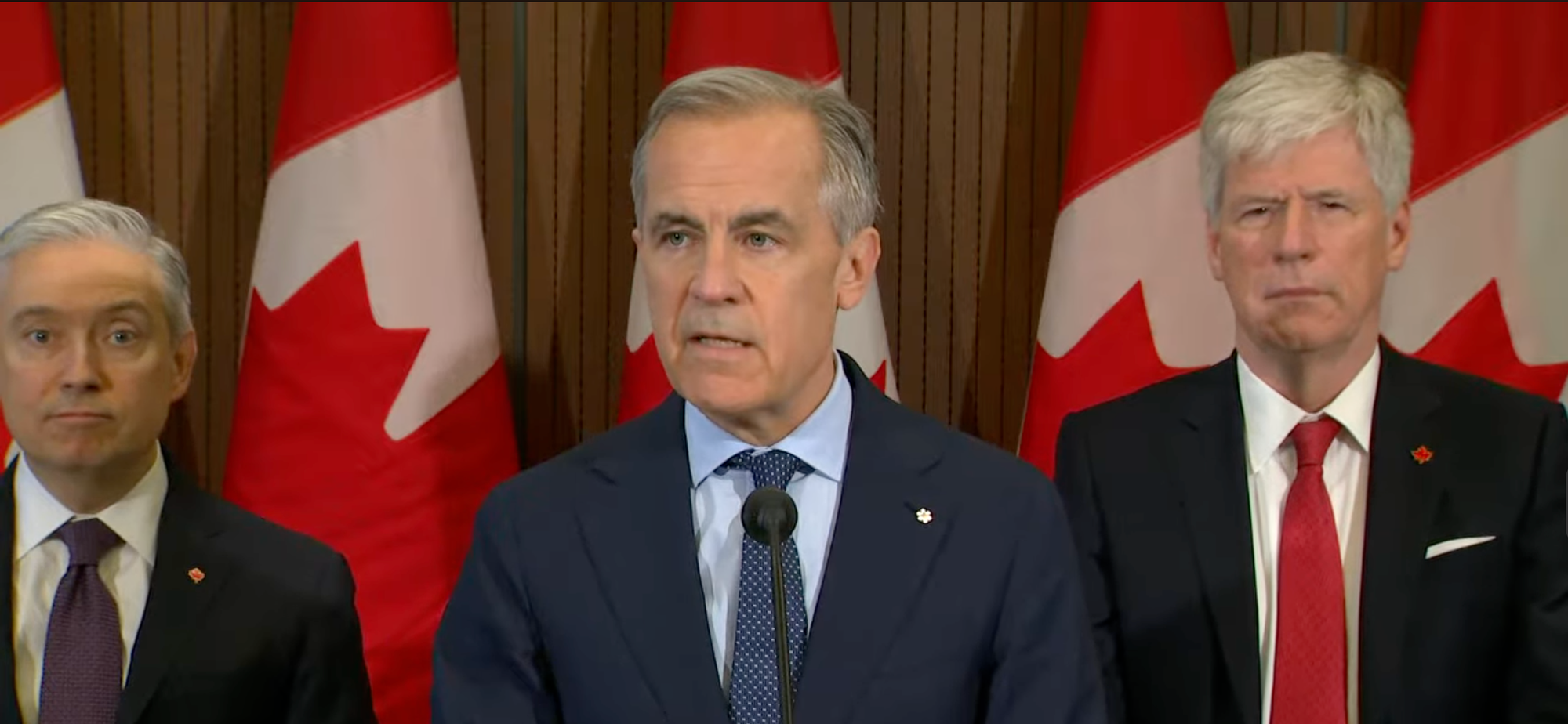
Prime Minister Mark Carney brushed aside opposition accusations that his newly secured parliamentary majority is illegitimate, arguing Tuesday that Canadians expect their government to govern—and that means less time spent debating the virtues of household pets and more time building houses.
Hours after his Liberals retained two Toronto-area ridings and one Quebec riding in by-elections, pushing the government past the majority threshold thanks to five floor-crossers from other parties, Carney faced a barrage of questions about the democratic bona fides of a mandate won without a general election. His response, delivered in the clinical cadence of a former central banker, was as much a lecture on parliamentary procedure as it was a political counterpunch.
“We live in a parliamentary democracy. Canadians elect deputies. Deputies vote with their conscience and support the program that they see best for their constituents and for the country,” Carney told reporters at a press conference dominated by an announcement on fuel-tax relief. “We do have a parliamentary majority now, and that is the product in the last 24 hours of strong support, increasing support for those deputies, the Liberal candidates, in those three ridings.”
The Conservatives have spent weeks branding the government's reliance on former Tory and New Democrat MPs as an affront to voters, with Leader Pierre Poilievre characterizing the arrangement as anti-democratic. Yet Carney, whose approval ratings remain far above Poilievre's in public polling, appears content to govern through the noise, betting that a weary electorate cares more about the cost of filling up the tank than the procedural mechanics of floor-crossing.
When pressed on whether he would seek his own mandate in a snap election to quiet the criticism, the Prime Minister was categorical: “Absolutely not. Not considering calling an election.” The message was clear—Carney believes the by-election results in University—Rosedale, Scarborough Southwest, and Terrebonne constitute a fresh endorsement of his agenda.
The Prime Minister pivoted from defending his majority to lamenting the state of debate he inherited in the minority Parliament. In one of the more memorable, if slightly surreal, moments of the morning news conference, Carney lamented the "performative" nature of recent committee hearings.
“I don't want to read into the record, although other deputies in parliament did read into the record their love of cats and dogs,” Carney said, raising an eyebrow in a manner that suggested he found the legislative process far less amusing than the press gallery did. “There's a difference between real testimony, real substance, getting to issues, debating aspects of law, advancing—that's the job of parliamentarians—and showboating.”
The reference to feline and canine filibustering was a thinly veiled jab at Conservative tactics that have, at times, bogged down committees with procedural wrangling and irrelevant topics designed to eat up the clock. With a majority now in hand, Carney signalled that the government will use its new numbers to clear the legislative logjam, particularly on the government's signature Build Canada Homes initiative and a defence-industrial strategy meant to create 125,000 jobs.
“We're going to have less of that,” Carney said of the obstruction. “We're going to have more substance.”
For a Prime Minister who has spent more of his career analyzing spreadsheets than slogging through Question Period, the comments reflect an impatience with the performative arts of opposition politics. Carney's governing thesis hinges on the idea that delivering tangible results—whether a 10-cent-per-litre cut to the federal fuel excise tax or slashing GST on new homes—will render the legitimacy debate irrelevant.
To that end, the government paired its defence of the majority with a $2.4-billion affordability package, a classic "boost today and a bridge to tomorrow" maneuver designed to fill the news cycle with concrete action rather than constitutional abstraction. Whether Canadians accept that trade-off will ultimately determine if Carney's unique path to a majority is viewed as a clever exploitation of parliamentary rules or a legitimate, if unconventional, mandate to lead. For now, the Prime Minister is betting on the former.

Comments