
Carney Liberals plan ban on social media for under-16s
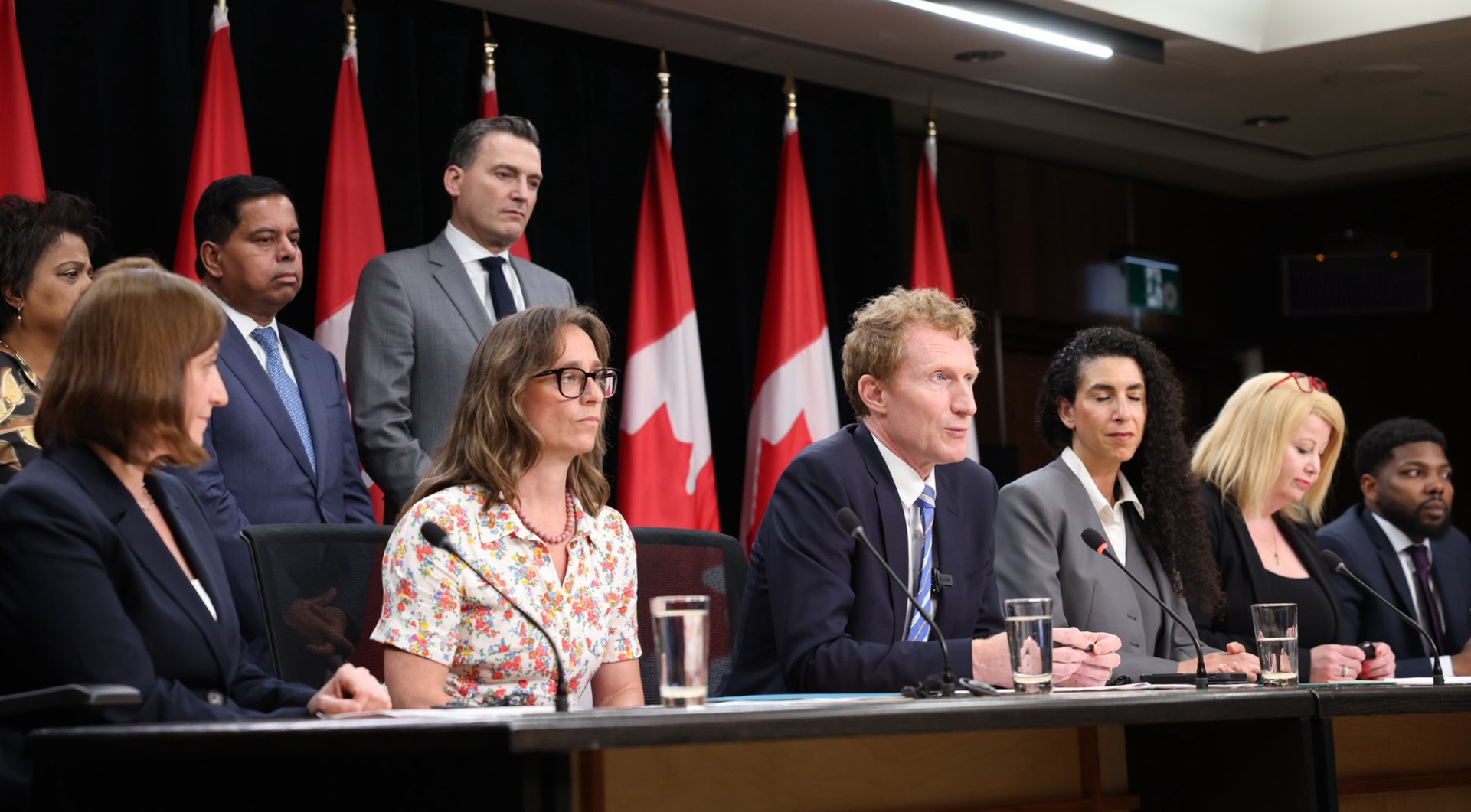
The Carney Liberals tabled legislation Wednesday to create a new regulatory framework for social media, AI chatbots, and other online services, with the stated goal of reducing exposure to harmful content—particularly for children.
The Safe Social Media Act (Bill C-34) enacts the Digital Safety Act and establishes the Digital Safety Commission of Canada. It imposes duties on "regulated" platforms to protect children, act responsibly on harmful content, be transparent and, in some cases, make certain material inaccessible to Canadians.
Under the child-protection provisions, platforms must integrate design features set out in regulations and implement minimum-age restrictions for pornographic content. For social media accounts themselves, minimum-age rules are possible “if provided for by regulations.” The bill does not impose an immediate, automatic ban on under-16s as of writing.
Operators of regulated social media services would also have to mitigate risks of harmful content—a category that includes non-consensual intimate images, child sexual abuse material (CSAM), content that induces self-harm in children, bullying material, hate content, incitement to violence and terrorism-related material.
Additionally, they must provide users with tools to block others and flag content, label synthetic (AI-generated) material, and submit digital safety plans to the new commission.
Similar responsibilities apply to regulated chatbot services, including measures for crisis intervention and preventing harmful behaviours. The commission would have powers to investigate, order content removal in specific cases (after complaints), and impose administrative penalties scaled to a company's global revenue.
Culture and Identity Minister Marc Miller, who is leading the file, has repeatedly framed the legislation as urgent. “Kids are dying,” he said ahead of the tabling, adding that the government will “take all reasonable measures to make sure kids are safe.”
Significant uncertainty remains
What stands out in the lengthy bill is how much is still to be determined. Thresholds for which platforms count as "regulated" (based on user numbers), the exact design features required to protect children, the methods for any age verification, the guidelines the commission will issue, and how broadly "harmful content" enforcement will apply are all left to regulations or future commission decisions.
Critics and observers have noted that this creates substantial uncertainty. Age restrictions on accounts, if eventually imposed, would almost certainly require some form of verification—potentially involving government ID or other data—which privacy advocates warn could erode anonymity online for everyone.
The legislation has also revived debate over whether the primary responsibility for children's online activity rests with parents, who can already use device-level controls and supervision, or with government and platforms imposing broad new mandates. Some in the LGBTQ community have expressed concern that restrictions could limit access to supportive online spaces for youth who face rejection or worse at home, potentially pushing the most vulnerable users toward less moderated corners of the internet.
Reactions and next steps
Child-safety advocates have generally welcomed the direction while pressing for strong regulations to follow. Privacy and digital-rights groups are watching closely for overreach and have largely been critical thus far. The Conservative Party of Canada has said it will scrutinize the bill for impacts on privacy and security. Some provinces, including Manitoba, have signalled interest in complementary measures.
The bill now moves to first reading and will be studied in committee, where many of the outstanding questions are expected to be debated. How the government fills in the regulatory blanks—and whether it ultimately pursues the kind of broad age gate discussed in recent months—will determine the law's real-world effect.
For now, the Safe Social Media Act sets a framework rather than a fully operational regime. The scale of what remains to be decided has struck many watching the file as striking, even by the standards of modern framework legislation.

Comments