
Canada hands U.S. toll share on fully funded Gordie Howe bridge after Trump pressure
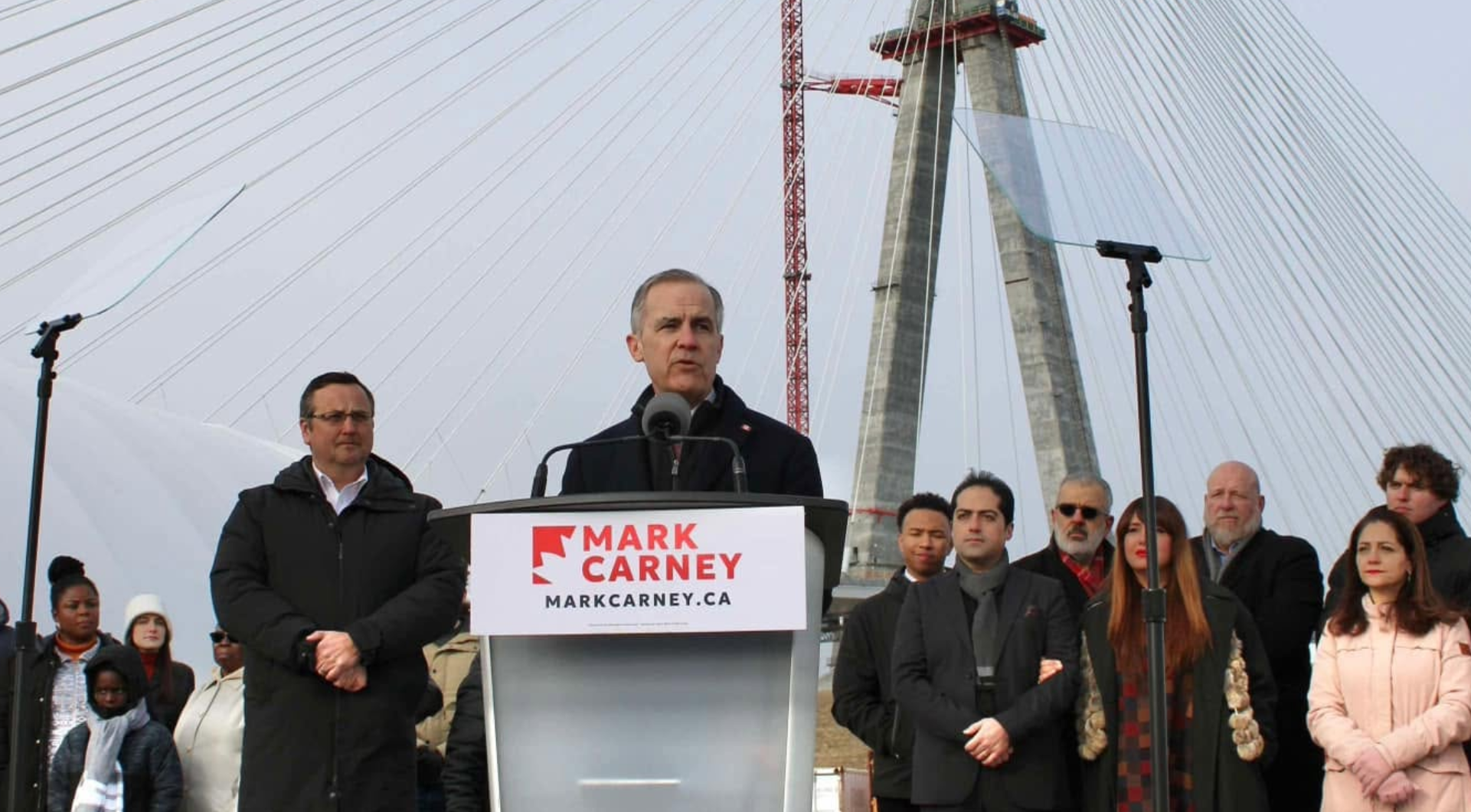
After years of construction and months of last-minute haggling, the Gordie Howe International Bridge is finally set to open on July 27. But the deal that cleared the way has left some Canadians wondering whether Ottawa gave away too much on a project it paid for entirely.
The $6-billion cable-stayed span, named after the Detroit Red Wings legend, will connect Windsor and Detroit with six lanes of traffic, modern ports of entry, and what officials promise will be one of the most advanced border crossings on the continent. Canada financed the whole thing—bridge, plazas, interchanges, the works—after Michigan and the U.S. federal government declined to chip in upfront more than a decade ago.
Yet under the revised agreement announced Friday, the United States will receive 50% of the bridge's operating profits for the first 15 years through a U.S.-controlled economic development fund. The Windsor-Detroit Bridge Authority must also seek American concurrence on significant toll adjustments, with reports indicating Washington can effectively veto hikes of more than 10%.
President Donald Trump wasted no time claiming victory. In a Truth Social post Saturday, he wrote:
“I was able to cut a MUCH BETTER DEAL for America, and by so doing, will be allowing the new and spectacular Gordie Howe International Bridge... to open on July 27th, as scheduled. The original deal made was unacceptable to me! The new deal is great, and fair. Thank you and congratulations to the Canadian Government.”
Housing, Infrastructure and Communities Minister Gregor Robertson described the opening as a “nation-building project” that will strengthen supply chains and create opportunities on both sides of the border. A government press-release highlighted “cooperative measures” on toll governance and a 15-year fund tied to bridge profits.
But the concessions stand in contrast to the original 2012 Canada-Michigan agreement. Under that pact, tolls collected on the Canadian side were supposed to repay Ottawa's investment over decades before any split with Michigan. Now, with traffic diverted from the aging Ambassador Bridge and the Detroit-Windsor Tunnel, Canadian taxpayers shoulder the risk while American interests secure an immediate revenue stream.
The delay that forced this renegotiation didn't come out of nowhere. President Trump had threatened in February to block the opening unless the U.S. received what he called "fair compensation." Commerce Secretary Howard Lutnick reportedly pushed hard for a larger U.S. cut. The Ambassador Bridge's owners, the Moroun family—whose private crossing has long dominated commercial traffic in the corridor—have opposed the new public bridge for years. Matthew Moroun, whose family donated $1 million to a Trump-aligned PAC earlier this year, met with Lutnick shortly before the president's initial broadside.
“Canada paid for 100 per cent of the bridge,” former Alberta premier Jason Kenney tweeted during earlier negotiations. “If the USA wants part of the revenue, it should make an offer to buy all or part of the bridge.”
For Windsor and Detroit commuters and truckers, the bridge can't open soon enough. The Windsor-Detroit corridor handles hundreds of millions of dollars in daily trade, much of it autos and parts. Delays at the Ambassador Bridge have long frustrated manufacturers on both sides. The new crossing, with its 853-metre main span—the longest cable-stayed in North America—promises relief and redundancy in a vital supply chain.
Yet the financing reality stings. Canadian taxpayers fronted billions during a period when neither Michigan's legislature nor Washington wanted to spend. Now, after construction finished and inspections cleared, Ottawa needed Washington's permission to proceed and paid a price for it.
The 15-year profit-sharing window matters. Bridge profits in the early years may prove modest as debt service and operations eat into revenue. Any diversion slows Ottawa’s recoupment. Meanwhile, the U.S. veto power on toll increases hands leverage to a neighbour that contributed nothing to construction but now has a direct say over pricing on Canadian-built infrastructure.
Supporters of the deal argue pragmatism won out; better a compromised opening than indefinite delay amid broader trade tensions. The bridge will still deliver long-term economic benefits, they say, and the fund could support regional projects on the Michigan side. Governor Gretchen Whitmer welcomed the news, calling the span a “great deal” for her state that will create jobs and ease congestion.
But for those who watched the project overcome political resistance and pandemic delays only to face fresh demands at the finish line, the outcome feels lopsided. Canada built it. Canada owns its share outright alongside Michigan. Yet when push came to shove, it was Ottawa making the adjustments.
The Gordie Howe Bridge will open to traffic at the end of the month. Whether it also stands as a cautionary tale about negotiating leverage in an era of transactional politics remains to be seen. For now, trucks will soon roll across a span Canadian money built, under terms Washington helped rewrite.

Comments