
CONTEXT: Brad Bradford’s record of reversals tests his pitch for Toronto’s Mayor
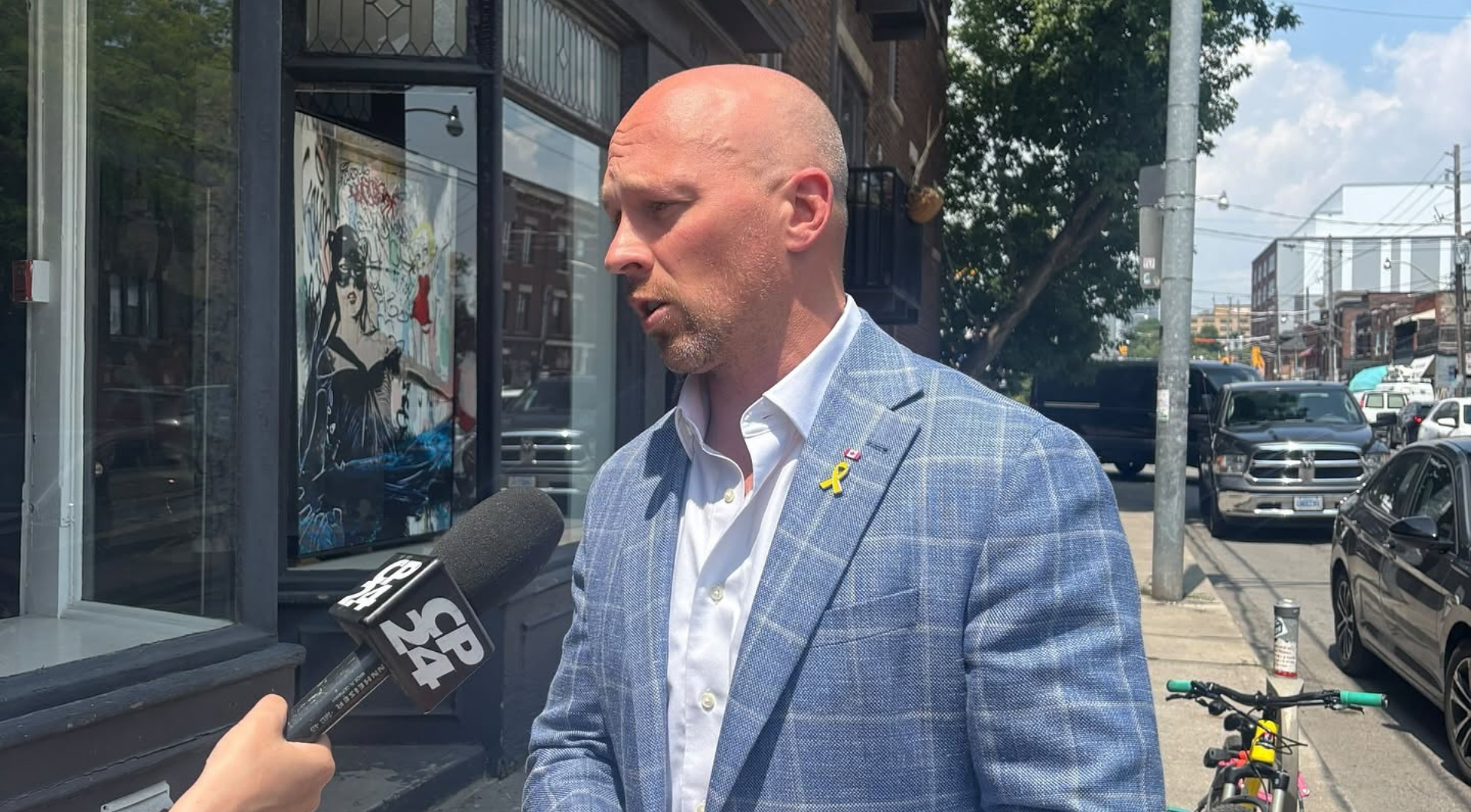
As the October municipal election approaches, Brad Bradford has cast himself as the candidate who will cut through City Hall's inertia with practical fixes on crime, congestion, and housing. The Beaches–East York councillor and former urban planner finished a distant eighth in the 2023 by-election that replaced former Mayor John Tory, but has since built a clearer profile as Mayor Olivia Chow's most prominent critic.
Yet a review of his positions on several high-profile files by The Provincial Times shows a pattern of shifts that raise questions about both consistency and cost to taxpayers.
Take the renaming of what was once Yonge-Dundas Square. In 2023, Bradford voted with the majority to change the name to Sankofa Square, accepting the historical argument tied to Henry Dundas's role in delaying the abolition of the slave trade. Three years later, as a declared mayoral candidate, he announced plans to reverse course and rebrand the space as “Toronto Square.”
The proposal includes added police presence, stricter cleaning standards, and new programming. Bradford has said the changes would cost property taxpayers nothing, relying instead on private partnerships. Even so, any fresh round of signage, branding, and public consultation carries real expenses. More broadly, the episode illustrates how quickly a previous council decision can be treated as reversible political theatre.
Residents who supported the original rename on substantive grounds now face the prospect of another round of debate and spending, while those who opposed it from the start are left wondering why the first change was allowed to proceed at all.
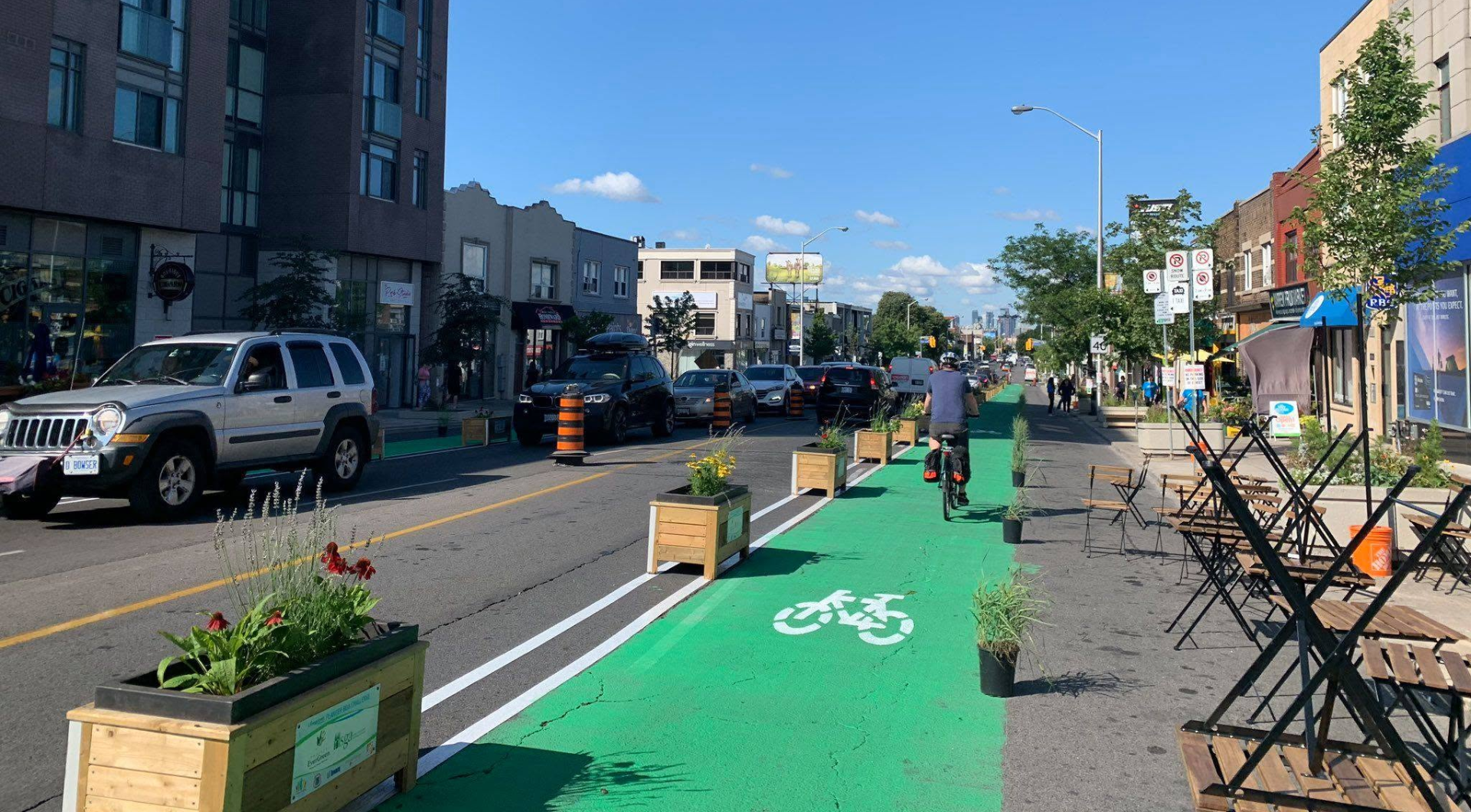
A similar thread runs through Bradford's approach to bike lanes. Early in his career in municipal council, he was an active proponent in backing pilots on the Danforth and elsewhere and voting to make certain routes permanent. More recently, he has criticized specific installations, particularly the Bloor West extension, arguing they worsen traffic flow and should be reconsidered or removed in places.
Restoring road capacity after protected lanes have been built is rarely a low-cost exercise. Physical infrastructure, signal timing, and enforcement adjustments all carry price tags that ultimately land on the municipal budget or provincial transfers. What began as a safety and climate measure has, in Bradford's current framing, become another item subject to rollback when political winds shift.
On drug policy the evolution is equally noticeable. During the 2023 campaign Bradford expressed support for Toronto Public Health's request for a federal exemption to decriminalize personal possession of certain substances, alongside expanded harm-reduction services. Since then the provincial government has moved to restrict or close some safer-supply and supervised-consumption sites.
Critics point out that the contraction of those programs coincided with increased reports of open drug use and related incidents on the TTC. Transit riders have described more frequent encounters with people in distress, discarded paraphernalia and safety incidents that affect both passengers and operators.
Bradford's recent public comments have emphasized related public-order concerns. His proposed remedies—greater police presence at key locations and clearer maintenance standards—address symptoms but do little to restore the treatment and stabilization capacity that existed before the sites were scaled back. Without a credible plan to reconnect people to housing, mental-health care and regulated pharmaceutical options, the emphasis on enforcement risks simply displacing problems rather than reducing them.
But perhaps the clearest example of selective principle appears in Bradford's handling of international issues that intersect with Toronto life.
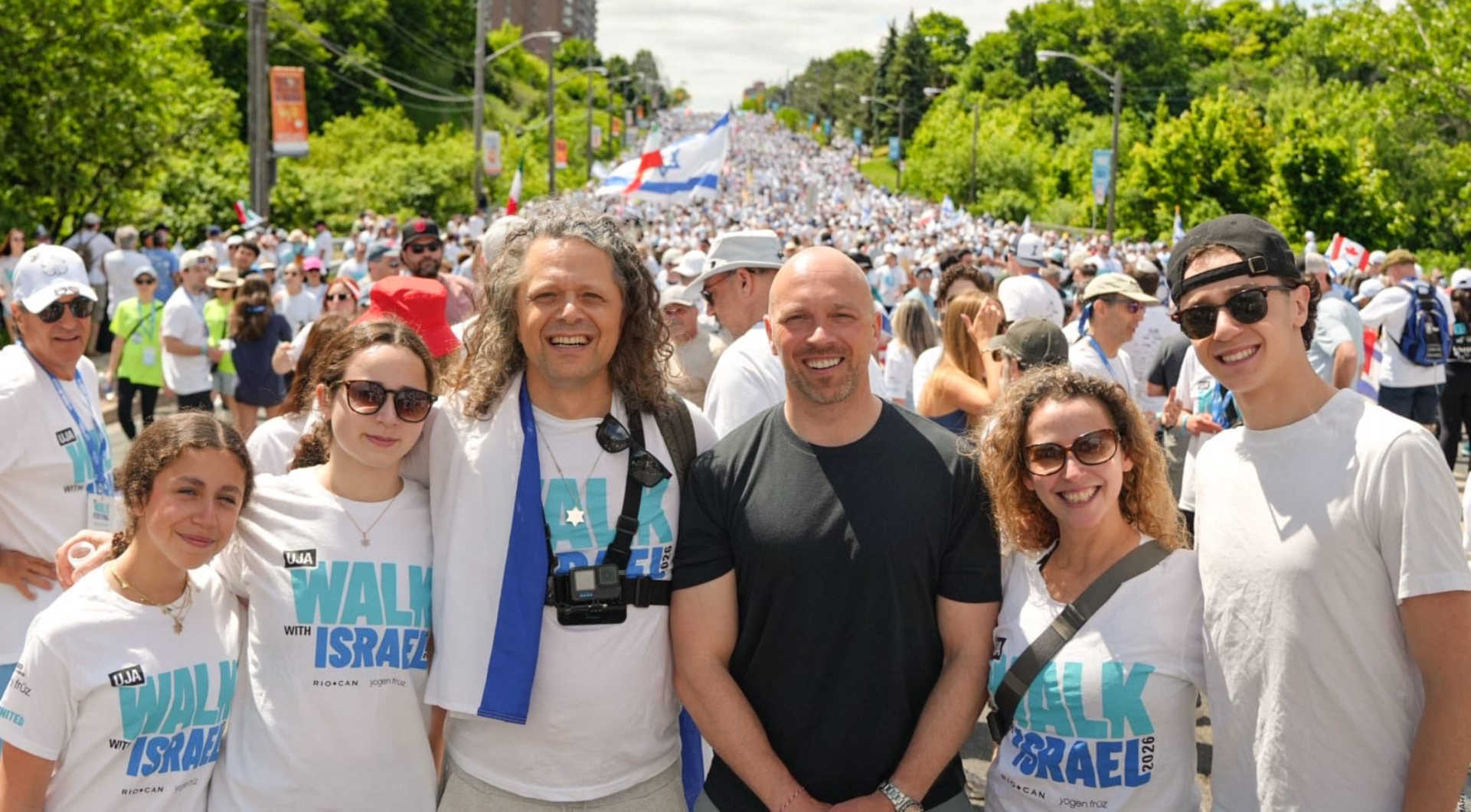
Bradford has repeatedly argued that a municipal politician should not wade into foreign-policy declarations, most notably when criticizing Chow for describing Israel's treatment of Palestinians as genocide. The same councillor, however, has called for legal action to restrict or cancel pro-Palestinian demonstrations, labeling gatherings as "platforms for Hamas sympathy" or antisemitic rhetoric. He has also participated in pro-Israel solidarity events and urged stronger municipal steps against what he describes as extremist expression.
If the city's role stops at its own borders, it is unclear why one set of international alignments warrants public statements, event interventions, and legal pressure while another is dismissed as outside a mayor's lane. Toronto's large and diverse population means local debates over speech, safety, and community relations will inevitably touch global conflicts. Treating those debates as legitimate only when they align with one side's framing does not strengthen the claim to principled municipal leadership.
Bradford's campaign has drawn support from experienced Conservative operatives and digital strategists associated with populist right-of-centre networks. That alignment is not itself disqualifying in a city with varied political tastes. What matters more is whether the reversals on naming, street design, drug services, and the boundaries of municipal speech reflect genuine learning or simply tactical repositioning ahead of a competitive race. Each shift carries downstream costs—financial, operational, or in public trust—that Toronto residents will ultimately be paying for.
Voters weighing their choices this fall will have to decide whether a record of adaptation on these files signals pragmatic responsiveness or a willingness to treat previous commitments as disposable once the political calculation changes. The difference is not academic when the price tag lands on the same city budget already stretched across transit, housing, and public safety.
Comments