
Fraser doubles down, defends nomination process that left 14 ballots unaccounted for in 19-vote victory
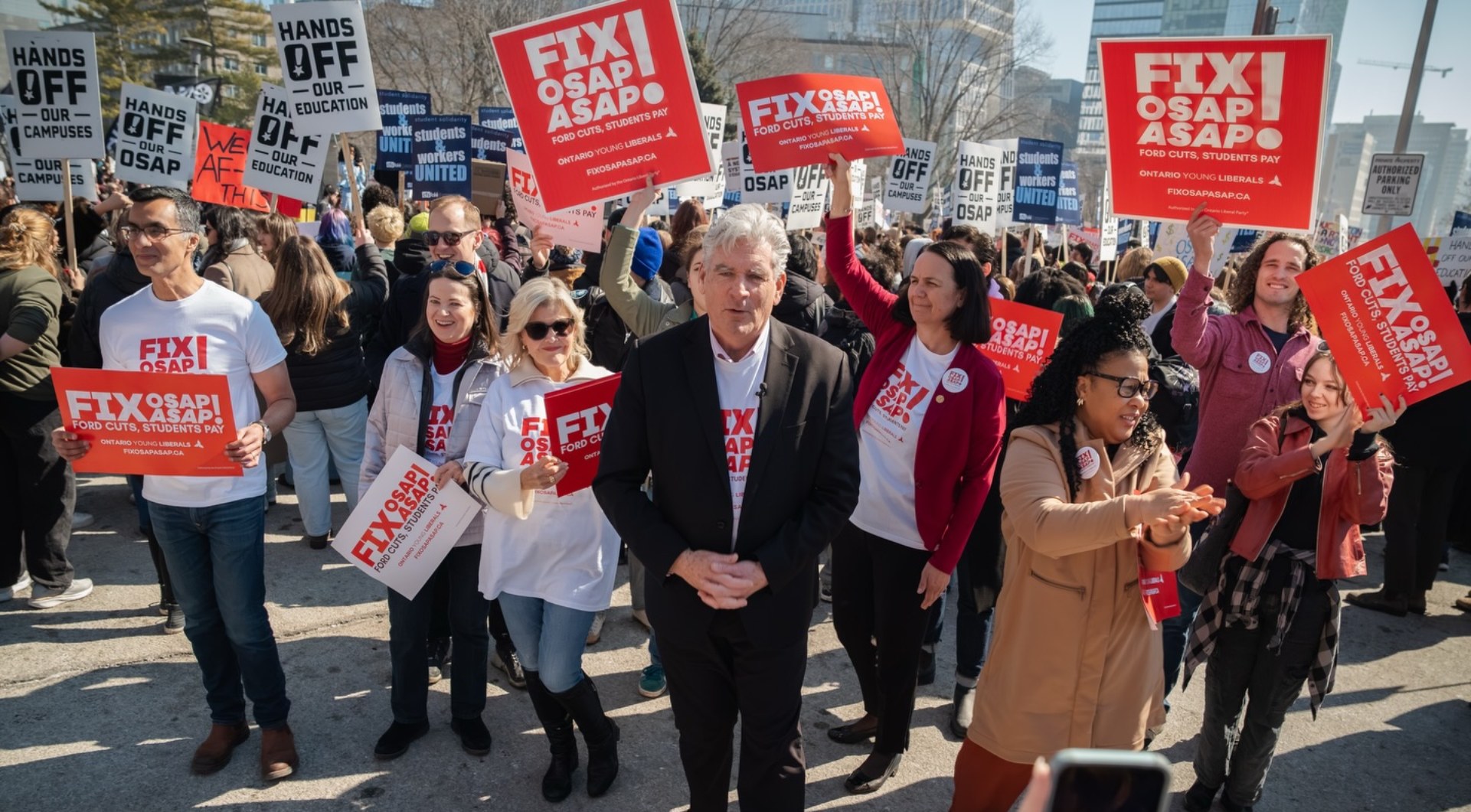
Ontario Liberal Leader John Fraser is standing behind a bitterly disputed nomination in Scarborough Southwest after the party's own arbitration panel acknowledged it could not account for at least 14 ballots in a contest decided by just 19 votes.
The panel, chaired by former Liberal cabinet minister David Zimmer, dismissed Nathaniel Erskine-Smith’s appeal of the May 9 nomination meeting late Monday. In a written decision released publicly the same day, the three-member committee concluded the party's rules were followed and that Ahsanul Hafiz was the “true winner.” Yet the 66-paragraph ruling also reveals a series of irregularities that the panel itself deemed immaterial—including a ballot‑count discrepancy it could not fully explain.
At the heart of the appeal was an undisputed arithmetic gap: 1,523 ballots were cast, but only 1,489 names were crossed off the voters list. That gap of 34 ballots dwarfed Hafiz’s 19‑vote margin of victory. Erskine–Smith, a federal Liberal MP and provincial leadership candidate, argued those 34 “unaccounted‑for ballots” were evidence that the vote's integrity had been compromised.
The panel rejected that characterization.
It called the gap a "technical administrative error" rather than a breach of rules, and it accepted a post‑hoc review by the returning officer that identified 20 voters whose names had simply not been struck from the list. But that left 14 ballots still unexplained. The panel acknowledged the arithmetic directly.
“Even if there were evidence that 14 individuals voted at the meeting who had not been deemed eligible to vote … a 14‑vote discrepancy would still be insufficient to overcome Mr. Hafiz's 19‑vote margin.”
For Erskine–Smith's supporters in Scarborough Southwest, that sentence amounts to an extraordinary concession. It means the party's highest internal tribunal effectively declared that up to 14 votes whose origins remain unknown are legally tolerable because the winning margin was wide enough to absorb them.
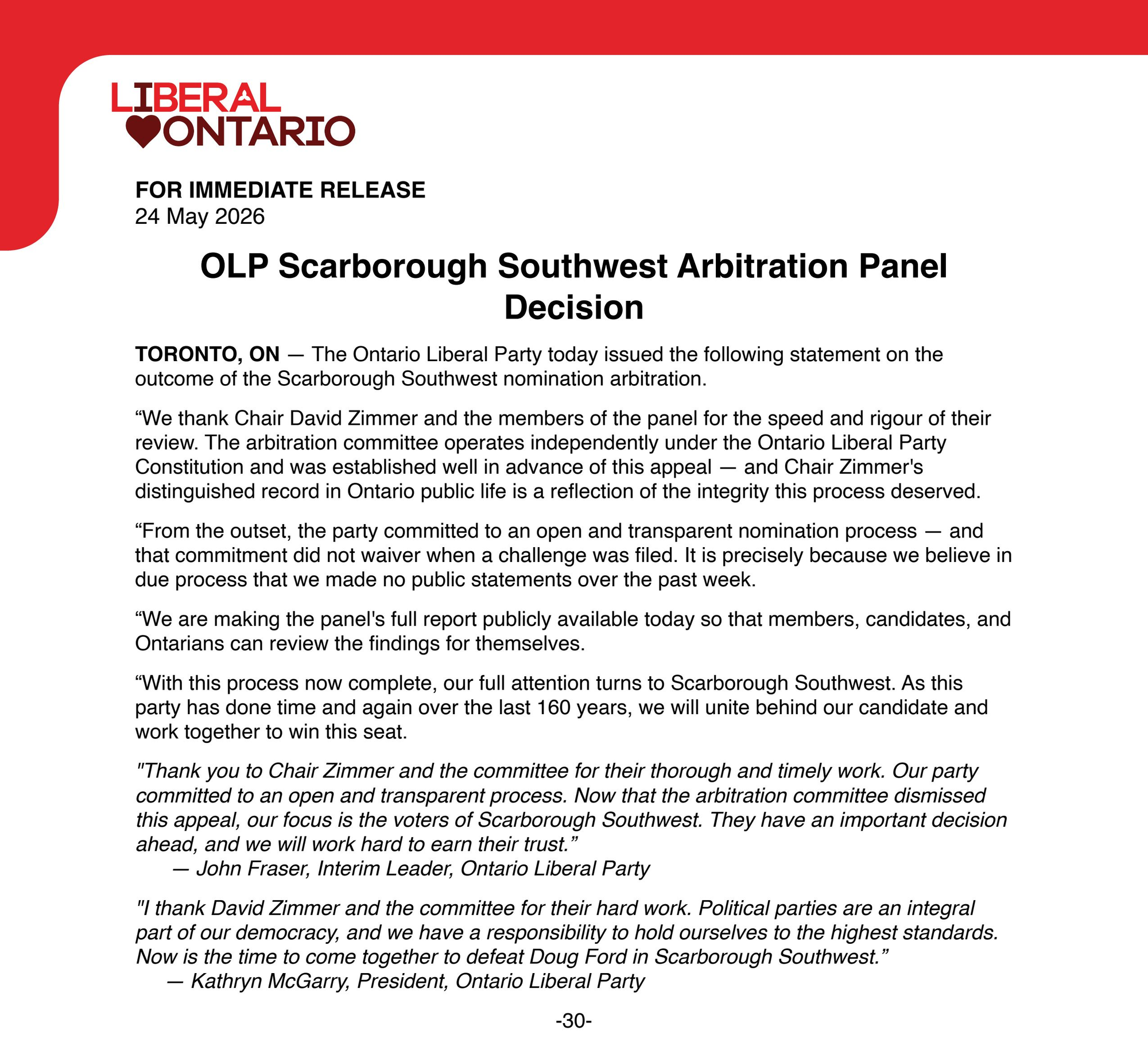
Fraser issued a joint statement with party president Kathryn McGarry minutes after the ruling was released, thanking the panel for its "speed and rigour" and calling on Liberals to "unite behind our candidate." Neither Fraser nor McGarry addressed the unexplained ballots, nor did they comment on the panel's finding that voter identification rules were loosened in real time by the returning officer during voting.
The ruling confirms that the returning officer accepted electronic documents and other forms of identification that were not on the pre‑circulated list of acceptable documents. The panel concluded this was permitted because the officer held “final authority” and could “amend the list during the meeting itself.” Erskine–Smith's camp argued those changes allowed individuals to vote who had not proven their eligibility under the rules all campaigns had agreed to.
The panel disagreed, saying it was "highly unlikely" any ineligible voter cast a ballot.
The committee also dismissed Erskine–Smith's complaint that a "known political opponent"—a former campaign manager for a rival in the 2023 leadership race—helped determine voter eligibility. The panel said Erskine–Smith's team waited until after results were known to object, violating the principle that bias claims must be raised at the earliest practicable opportunity.
Observers note the ruling leaves the party in an awkward position ahead of a general election. It legally closes the nomination dispute but does nothing to address the broader questions of transparency that have dogged the riding association for months. The party has still not explained how Hafiz's decade‑old social media posts—which surfaced just before the nomination and contain links to videos described as depicting incestuous sexual assault—escaped candidate vetting.
Fraser's office did not respond to questions from the Provincial Times about why the leader considers the vetting failure and the 14 unexplained ballots compatible with his call to "earn the trust" of Scarborough Southwest voters. With the appeal dismissed, Hafiz will carry the Liberal banner into the next provincial campaign. For the OLP, the political cost of defending a 19‑vote win built on a ballot count it cannot fully reconcile has yet to be calculated.
Comments