
ADAMS: Doug Ford created the TTC drug crisis he now wants to police
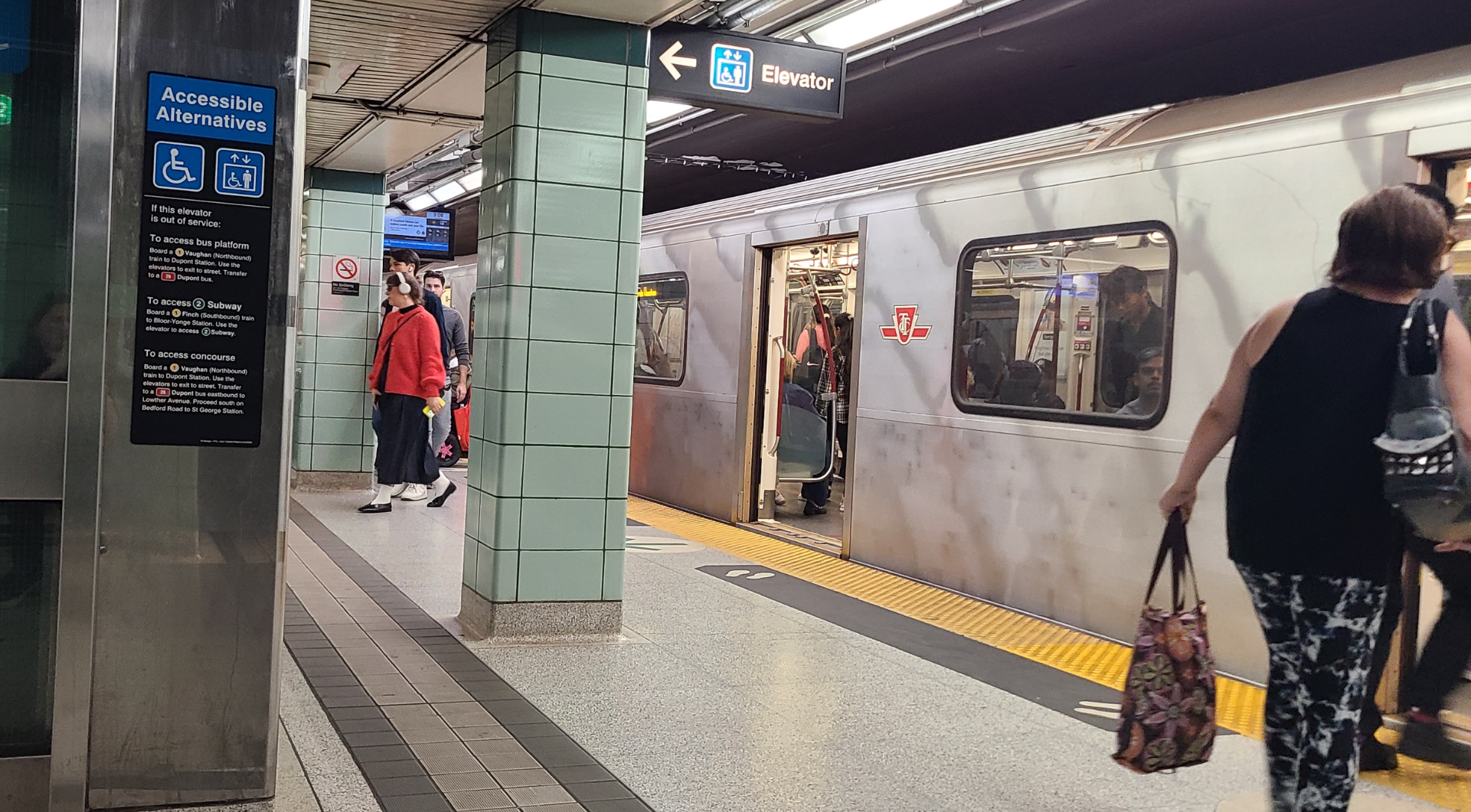
I ride the TTC. I've seen the man sprawled across three seats at Spadina Station, needle still in his arm, while commuters step around him like he's a puddle. I've watched a woman scream at phantoms near the doors of a Line 1 train while a father covered his daughter's ears. I get it. Nobody wants to deal with that on their morning commute. The visceral reaction is real, and Doug Ford is counting on it.
But before we hand out standing ovations for the province's tough new transit enforcement powers kicking in July 1, we need to be honest about how we got here. The same government that is now threatening to ticket and arrest people for smoking on the subway is the government that dumped them there in the first place.
When the Ford government moved to shut down supervised consumption sites across Ontario, harm reduction workers warned this exact scenario was coming.
Close the indoor spaces where people use under medical supervision, and they don't just magically quit. They go somewhere else. Parks. Alleys. And yes, subway platforms and GO train vestibules. You can oppose safe supply all you want—and plenty of reasonable people do, including folks I respect in communities hardest hit by addiction—but you can't ignore the causal chain of events that was set into motion: shut down the place containing the chaos, and the chaos spills out.
The PC's created the conditions, watched the predictable fallout unfold on the TTC, and are now riding in as the saviours with stiffer penalties and special constable powers. It's a political magic trick: manufacture a crisis and wait for the public to forget the origin story, then campaign on cleaning it up.
The fact that most voters are so exhausted by open drug use that they won't ask questions is exactly the point. Ford is betting you won't connect the dots, because you're just supposed to feel grateful someone's doing something.
But here's what bugs me more than the political theatre: why is a provincial government dictating enforcement policy to municipal transit systems in the first place? The TTC and other transit authorities are accountable to their riders and their municipalities, not to Queen's Park. Yet here we are again, with Ford trying to exercise his influence over other levels of government, because he thinks he can.
Remember when the province unilaterally decided it would appoint the chairs of our municipalities, overriding local democratic structures because the PC's think we're too stupid to elect our own chairs? Voters let the chair appointments slide, because too many Ontarians don't care about regional governance mechanics, and even more Ontarians (especially in Toronto) will let this slide, because nobody wants to be the person defending the right to shoot up in front of a five-year-old at Kennedy Station.
I'm not defending open drug use on trains, but we deserve solutions that actually work and that respect democratic boundaries. Municipalities should be the ones deciding how to handle safety on their own transit networks, with provincial support for the things municipalities can't fund alone; like treatment beds, mental health crisis teams, and supportive housing.
Instead, we get a premier testing how far he can push his authority over cities before someone tells him to stop. He's gambling that the public's frustration with chaos outweighs legitimate concerns about jurisdictional principles. He's probably right, politically speaking. But being right politically isn't the same as being right.
If we're serious about cleaning up the TTC, we need to reverse the damage we did by closing supervised consumption sites without adequate alternatives. Invest in the Toronto Community Crisis Service model. Fund detox beds. Build housing. And let cities govern their own damn transit systems.
Enforcement has its place, but when the province is both the arsonist and the firefighter, commuters should demand better. You can't solve a crisis you manufactured by handing out tickets on the train.
This piece was written by an individual contributor and reflects the editorial position of The Provincial Times. Read our Content Policy here.

Comments