
ADAMS: I oppose poverty porn. I oppose e-7621 more.
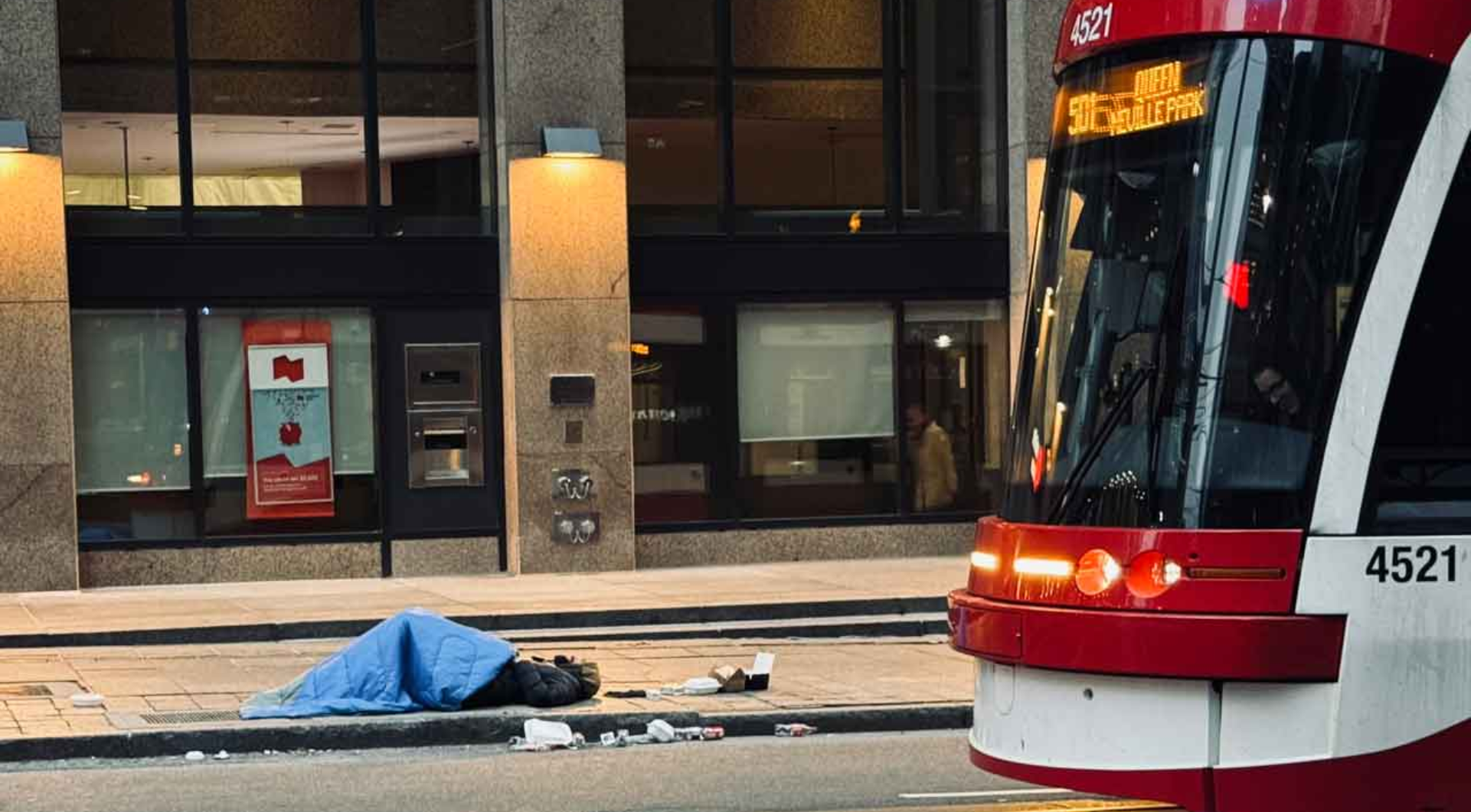
House of Commons Petition e-7621 wants to ban knowingly recording someone in public who is homeless, in a mental-health crisis, or significantly impaired, for the purpose of publishing or distributing that recording. The people behind it say they want to protect the vulnerable, and the only way to do so is to create a new Criminal Code offence.
I believe they're sincere, but I also believe they are wrong.
Let's make something clear from the start: I do not like poverty porn. A lot of it is exploitative. Most people who go out of their way to film people in tent cities or in alleys suffering from psychosis so they can make money are not real journalists, and if I saw one of these outrage farmers harassing a person for a video, I'd want existing laws around harassment, intimidation, trespassing, and voyeurism used. There are tools.
But here's the part that matters: legal principle does not change just because I don't like whoever holds the camera.
Section 2(b) of the Charter of Rights and Freedoms, and the Supreme Court of Canada, have made it clear: Freedom of expression gives journalists, regular citizens, and yes, the annoying guy with his phone the right to record in public. The Charter does not protect legal expression because it is polite, popular, or approved by the comment section. It protects speech because, to this point, we as a country have recognized that Ottawa should not get to decide which truths are too uncomfortable to show.
The petition's supporters in response would likely ask me, "Is it too much to ask for consent before filming vulnerable people?" Of course not. It is not too much to ask, but that is just not the legal question. In this context, consent is an ethical standard, not a constitutional one. If consent were the test, you could not film police doing their jobs. You could not film a politician walking into a fundraiser. You could not film a protest. You could not film the reality of a province that talks about compassion while people die in tents.
Mentioning consent in this context is a red herring
Under Section 1, the government can limit a Charter right. But it has to justify it. It has to show a pressing and substantial objective. It has to show rational connection. It has to show minimal impairment. It has to show proportionality. Vague phrases like "prescribed circumstance of significant vulnerability" and "acute psychological crisis" do not meet that test. They are a lawyer's dream and a free society's nightmare.
What is a crisis? Who decides what a crisis is? Does a reporter need a proof of diagnosis before pressing record? Does a city councillor? Does a documentary crew?
Charging people for posting videos that make the country look bad is what they do in the United Arab Emirates. Do we really think an authoritarian country is the model our country should follow regarding journalism?
I am a journalist who documents political culture. I do not make poverty porn. But to do my job, I need the legal right to film in public, as do hundreds of reporters across this country. A carve-out is still a carve-out, and you cannot cover a housing crisis if the only images allowed are the ones the government approves.
Like the Lawful Access Act and the Safe Social Media Act before it, this petition is part of the same instinct: control the camera, control the story, call it protection. Beyond the emotional appeal about "protecting vunerable people," they have not actually made a genuinely compelling reason for why any of those laws needs to exist to begin with. They have not done it with this petition, either.
If you care about homelessness, demand housing. Demand treatment access. Demand guaranteed income. Do not demand a law that makes the poor invisible and silences legal expression.
I oppose e-7621. I will oppose the next version too.
This piece was written by an individual contributor and reflects the editorial position of The Provincial Times. Read our Content Policy here.

Comments