
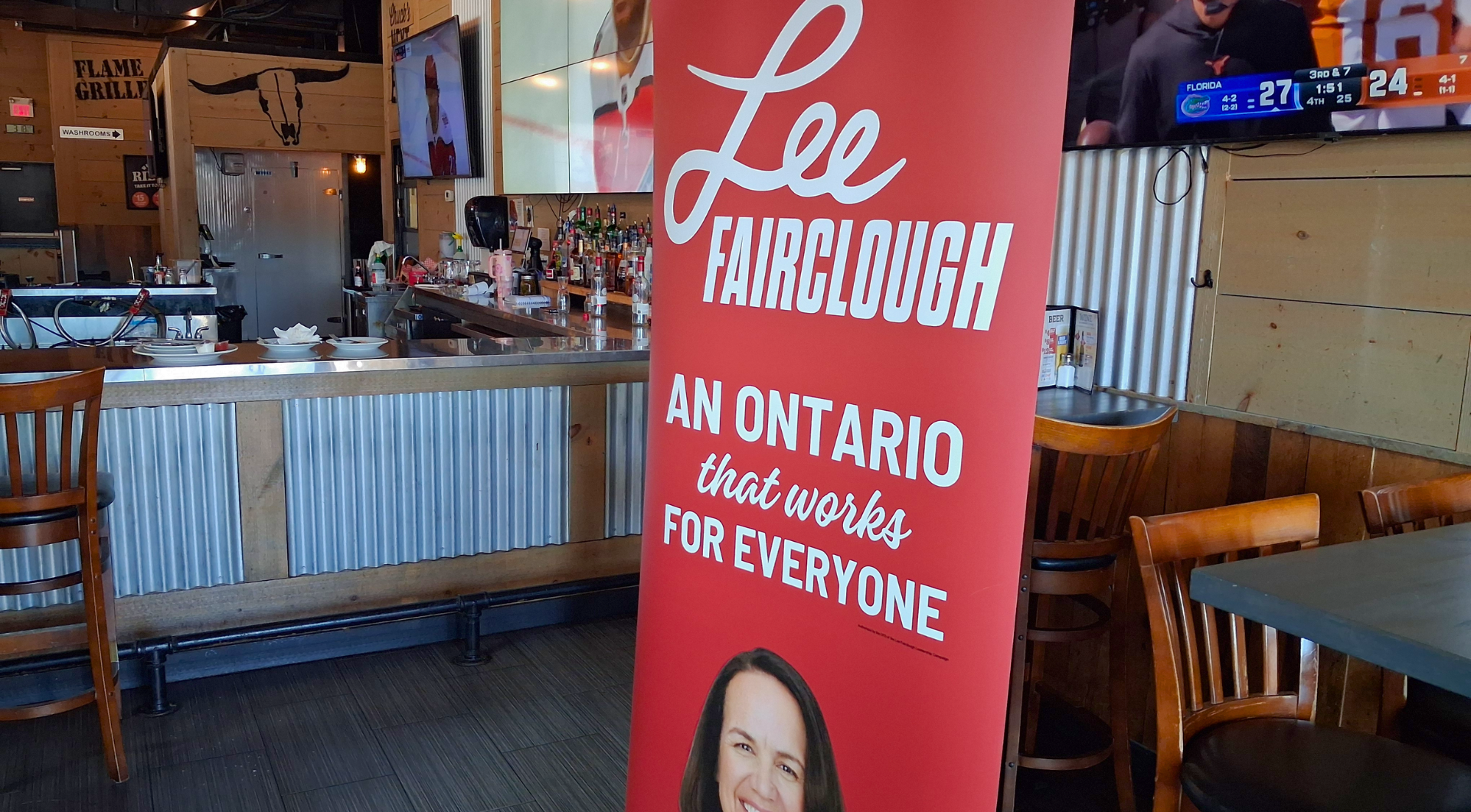
ADAMS: I went to a Lee Fairclough event. For once, I left with almost nothing to criticize.
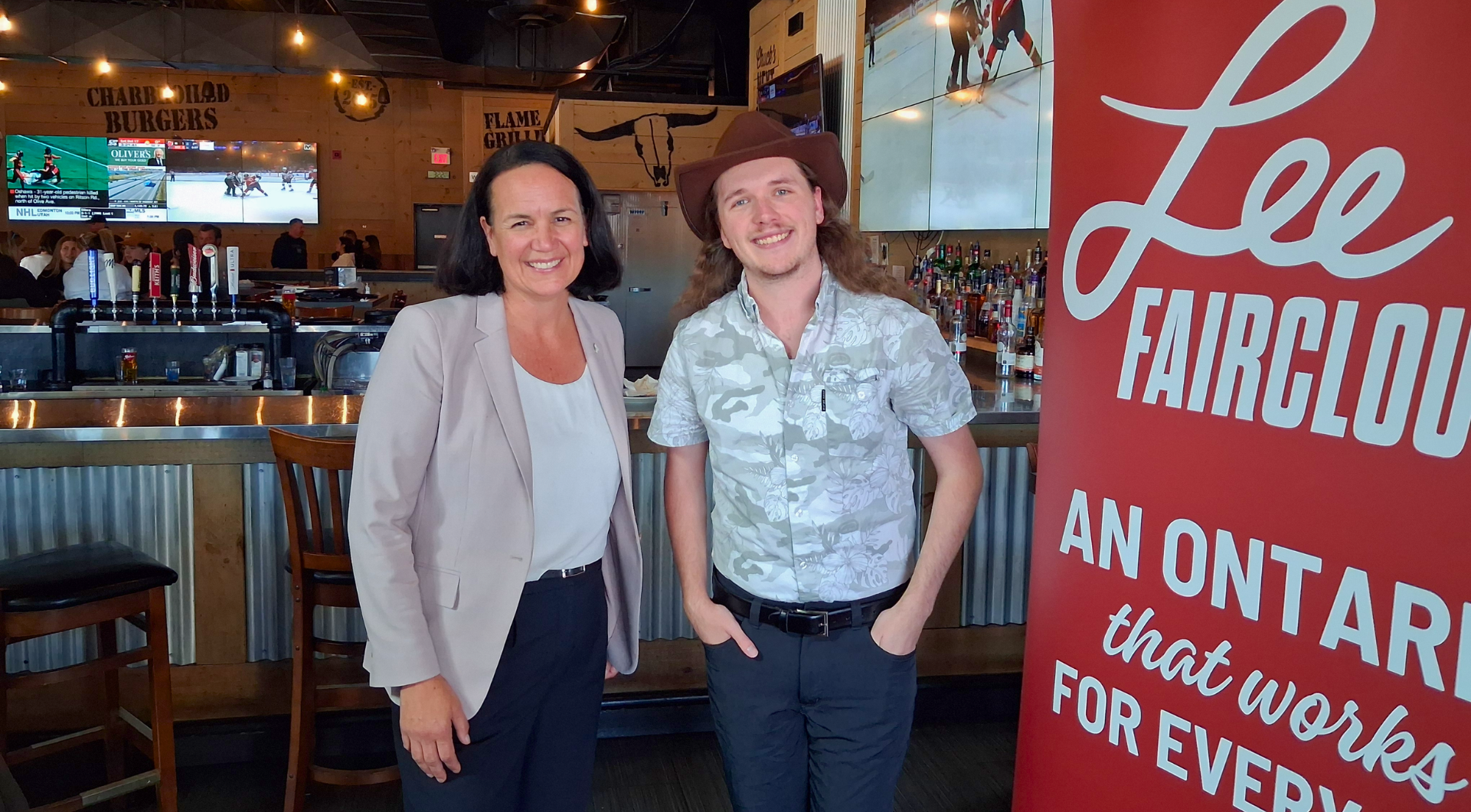
I went to Lee Fairclough's Courtice meet-and-greet, having attended several political events from across the political spectrum. These included slogan-filled airport hangars; Restore the North events that gently put forward controversial ideas and stage difficult questions. At Ford Fest, just wearing an Ontario PC shirt with LGBTQ branding led to me being called slurs by (not) volunteers wearing Protect Ontario t-shirts.
Hell, I have noticed very similar performative elements at both NDP events, as well as at Olivia Chow's campaign launch. Besides that, I have lobbed some very harsh criticisms at the Ontario Liberal Party, so I really was not expecting much at this event. This time around, the script was entirely different.
For a start, this was a very local audience, as it was hosted in my riding. Some attendees had actually seen me go viral at the Restore the North stop at Liberty Church only a month prior, where Jamil Jivani attacked me for asking a legitimate policy question, and his supporters began to yell ‘traitor’ and ‘communist’ at me. Notably, Lee herself acknowledged me and stated that the way Jamil handled that issue was poor, and she felt that was not an appropriate way for an elected official to speak to a constituent.
This is different from how most politicians and partisans react, where independent/not aligned coverage is often inconvenient and frowned upon. At this event, the attendees seemed largely excited that I had taken the time out of my day to eventually write about this event. I am pretty well-known in local progressive circles in my community, but none of the people there had actually met me, and it was shocking since I had been so harsh about the OLP prior.
A Surprisingly Constructive Affair
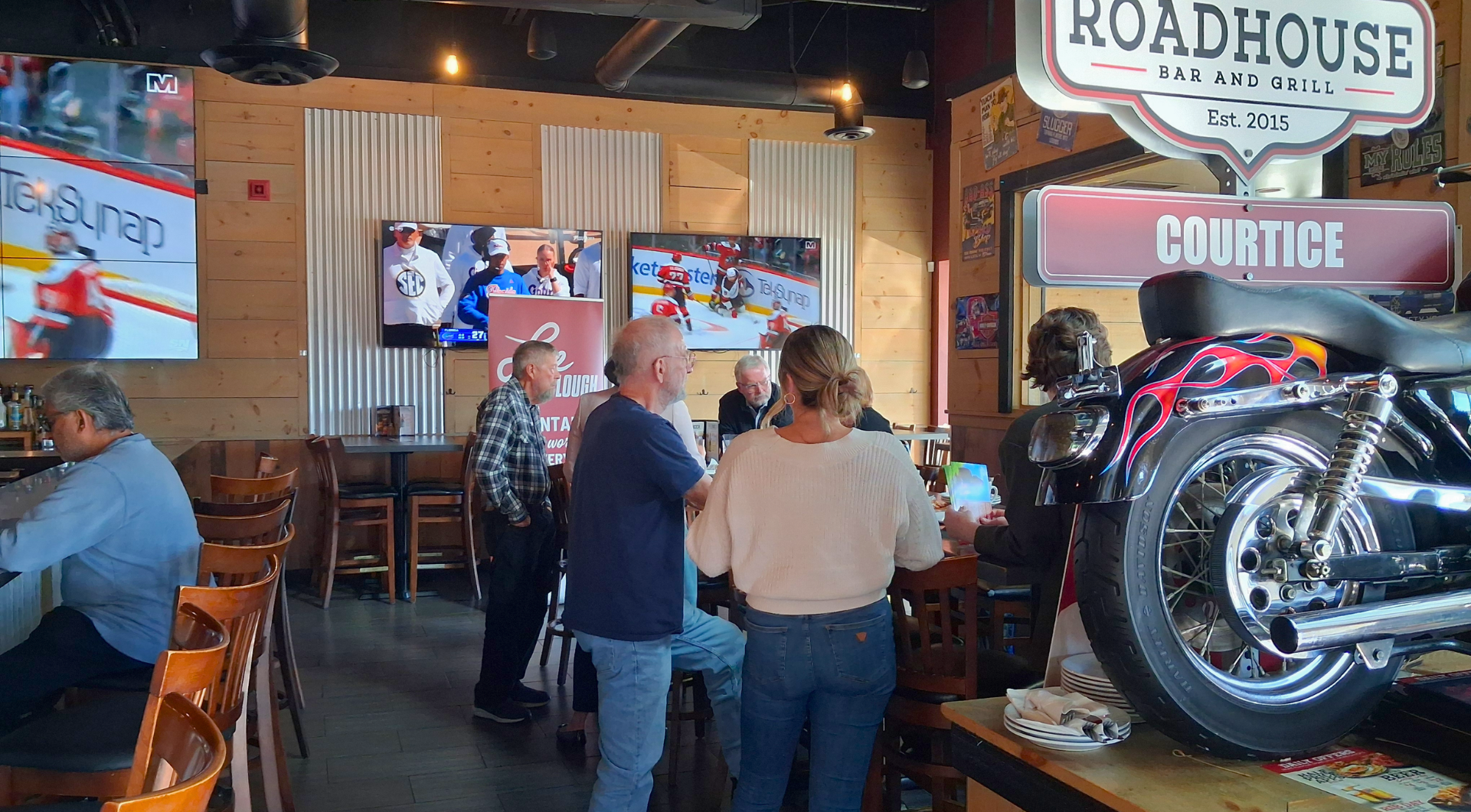
Right off the bat, this event was a breath of fresh air.
This was the first campaign event I have ever been to that featured no performative theatrics and innuendo of any kind. There were no unhinged rants around washroom issues or performative culture wars. The people in this room were also not wasting energy attacking half the province for having voted for Doug Ford.
Instead, attendees discussed issues in education, pressure on our healthcare systems, democratic attacks in municipalities by the PCs, issues with freedom of information policies reducing accessibility, and difficulty in rebuilding local ridings. People were extremely fed up with the current government and wanted a real alternative. They wanted to see real change, but they also wanted the OLP to actually provide an alternative to the PCs.
There were two key questions I asked Lee when able.
First, will you reinstate the right to have democratically elected regional chairs?
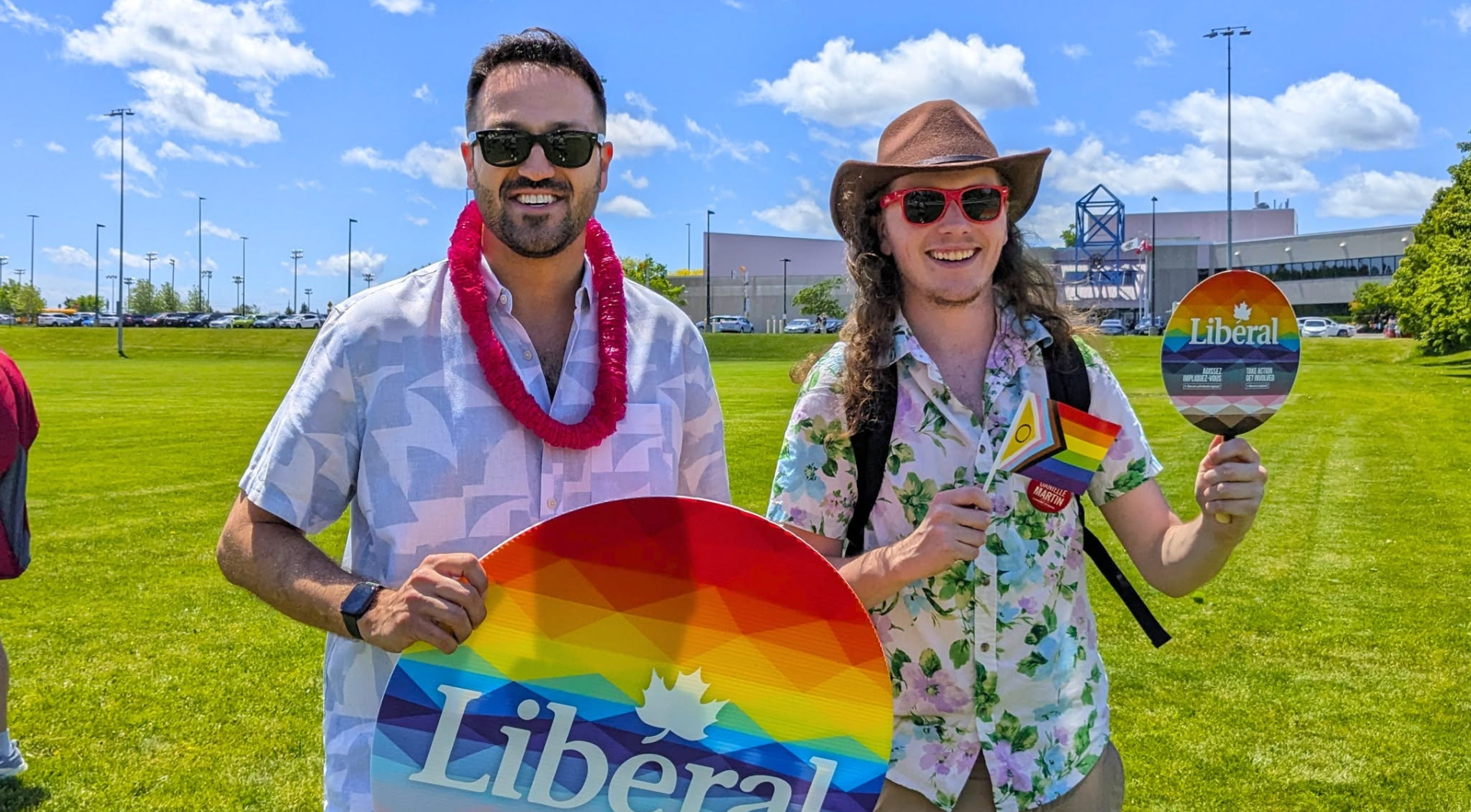
At Durham Pride, I asked Rob Cerjanec that exact question, and he indicated that it would require a minimum of 3 years. Therefore, this indicated that a lack of immediate change was likely if he had ever become premier. I really did not like that answer.
However, Lee was very definite with her answer being an enthusiastic “absolutely”; she stated that it was ridiculous that people who played ball with the PCs could be appointed to be Regional Chairs without any accountability to the electorate. She also highlighted that in a previous referendum, Claringtonians (and the rest of Durham Region) overwhelmingly voted for elected regional chairs.
Thus, she stated that “it's a basic democratic right that has been stripped away without a mandate.” This is something that a majority government committed to local democracy should absolutely be able to do immediately.
Second, will you consider a non-aggression pact, a confidence and supply agreement, or working with the NDP/Greens if necessary to reach the numbers required to form government?
Lee was surprisingly realistic with this question, especially in comparison to other OLP candidates I had asked about this had said no and called NDP voters "unrealistic". She stated that she already works with people across the aisle at Queen’s Park. In a specific example, she advised a provincial Liberal EDA to support an independent candidate (with high local support from their riding) to help both the independent keep their seat and the Liberal candidate in a neighbouring riding.
If overlapping priorities were apparent, she said that a supply and confidence agreement would be more realistic (like the one between Justin Trudeau and Jagmeet Singh in the early 2020s). However, she did not close the door completely.
This was also the first OLP MPP I've ever heard state outright that during the 2025 campaign, the OLP invested too much energy in attacking the NDP, when they should have been focused more on providing an alternative to the Ford PCs. She also acknowledged that internal conflict within the party (like the SSW nomination) has caused problems. She stated that “to move forward, our party needs to move away from 4 separate factions and become one representative of its members.”
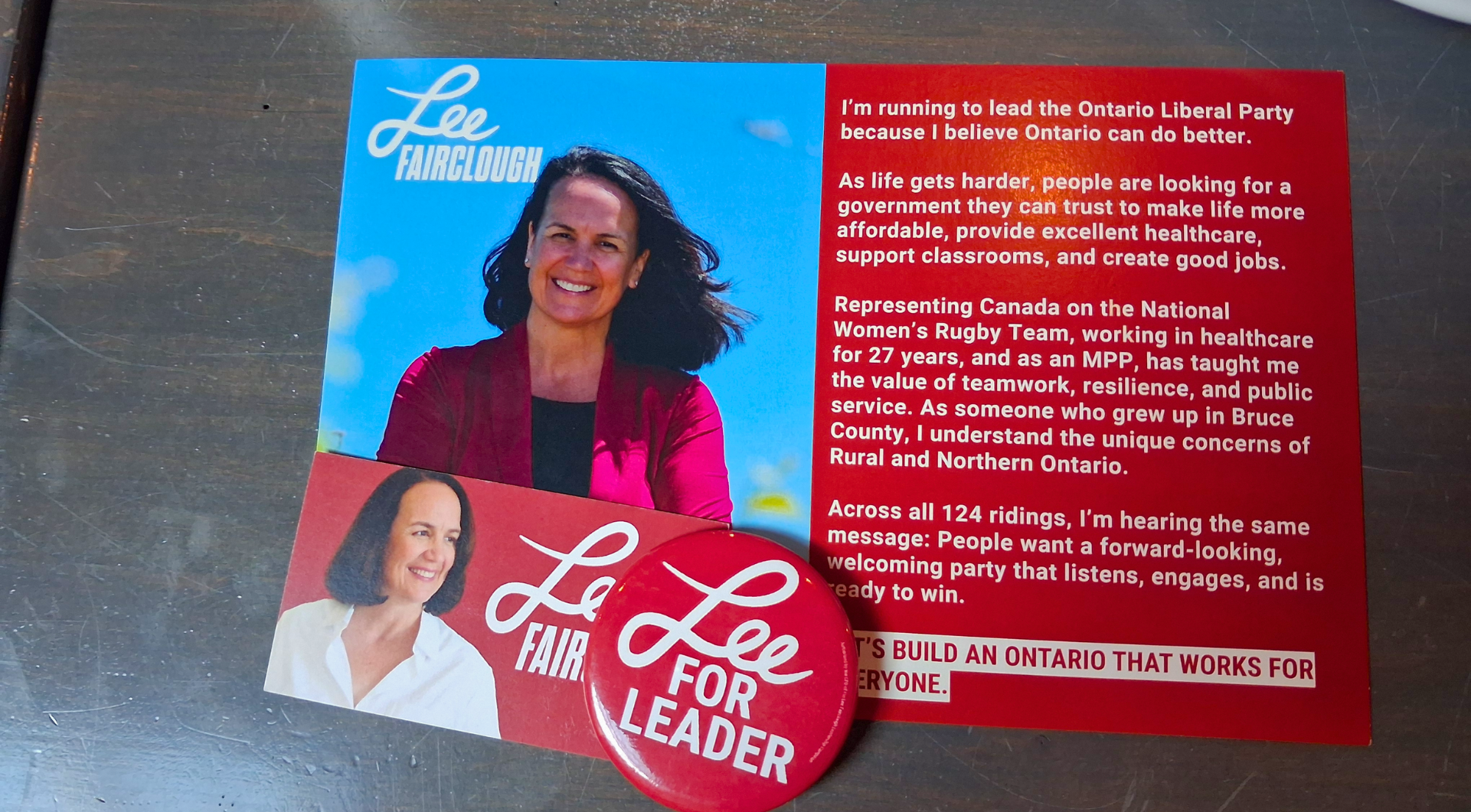
Lee has significant experience in healthcare. After 18 years as an executive in the health sector, she became President of St Mary's General Hospital in Kitchener. During the height of the pandemic, she resigned her role to run for office. She has a strong focus on mental health in healthcare. She stated that when freedom of information was reduced, she got the most emails as an MPP. She also noted that people reacted strongly to this reduction, indicating that people do pay attention to narrowing democratic processes.
Throughout this race, she has provided an economic plan based on insights from former Finance Ministers John Manley and Charles Sousa, aimed at making Ontario a competitive place to do business once again. Additionally, she has provided education-based policies. She sees housing and homelessness as connected, and wants to establish a provincial housing agency similar to Build Canada Homes.
Regarding youth unemployment, she spent a great deal of time how new jobs needed to be created and people matched to these jobs to fix the problem, rather than blaming Zoomers for the fact our province has become a hard place to find a job. Finally, she has provided policies to reform the party, including early nominations and rebuilding local EDA capacity.
Party Openness, a Baseline, and Non-Negotiable Values
At one point, someone asked her about Eric Lombari.
During his leadership bid, Eric had been receiving endorsements from gender critical activists and a current Conservative MP who openly used the provincial Liberal race as a platform to dunk on Doug Ford, and Eric was not all that willing to denounce the problematic support he has received. Although it is important to widen the party, as I have written before, it is still important that limits are in place.
Lee ALSO agrees with that, and said that although the party should be open (as the Ontario Liberals can take many forms), there must be a baseline. This includes equality, evidence-based policies, and caring for people, including people who may never vote for you, by creating good-paying jobs to allow people to improve their lives. She acknowledged that it is not feasible or desirable to control every endorsement. However, she did state that the values listed above are non-negotiable.
Although I have attended many events in this campaign cycle, it felt really weird to walk out of there without noticing anything obviously wrong with it. The discussion was strategic, and the candidate did not avoid the difficult questions that previously made me lose confidence in the party she seeks to lead. She acknowledged the issues within the party, and on the day of ranked voting in the OLP race, this is a very positive sign.
Although one meet-and-greet does not change the recent issues facing the OLP, if we consider whether a candidate can answer difficult questions on improving democratic processes and realistic cooperation with other parties, without the usual vagueness, in a room with local people who are sceptical of the party, then Lee Fairclough definitely was able to.
Within a race that has had multiple dropouts, and is now very limited in viable candidates, this is the most important data point to me. There are many events with vague messaging and curated issues to raise; it is much less common to find events with genuine discussion on policy. This was one of those, and I can proudly say that Lee has set a new standard for what I will look for at political functions going forward.
This piece was written by an individual contributor and reflects the editorial position of The Provincial Times. Read our Content Policy here.
Comments