
ADAMS: The New Democrats and Greens are staring at a moment of rare clarity, and if they’re smart, they won’t waste it
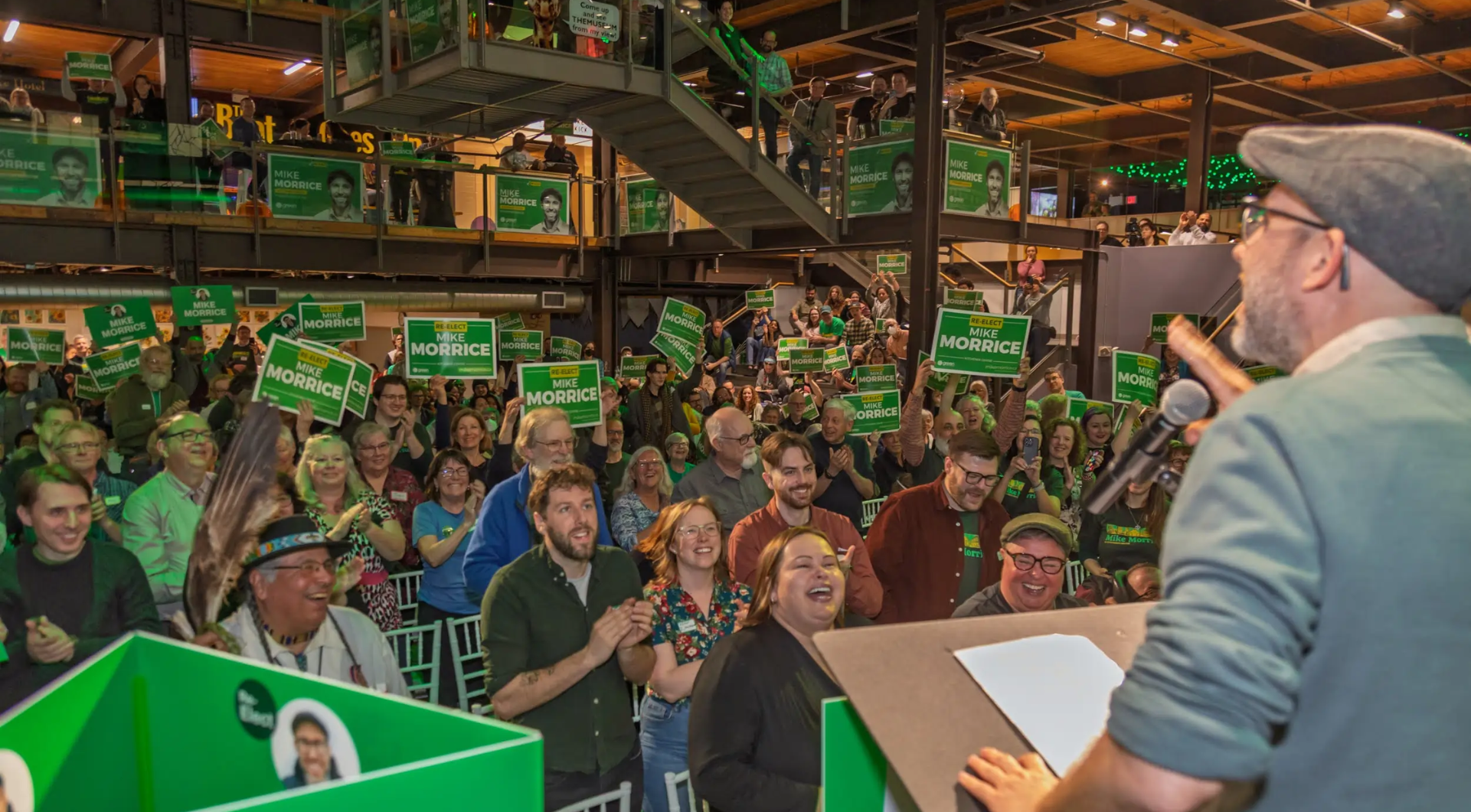
Avi Lewis has been the new NDP leader for about five months now. He's an ecosocialist, unapologetic about it, and in March he won the job in a first-ballot landslide victory. Over on the Green side, the leadership race has produced exactly two candidates. One of them is Mike Morrice, the former Kitchener Centre MP who actually knows how to win and hold a seat.
Barring a surprise, I think it's safe to say Morrice will be the next Green leader.
Look at what both men stand for: electoral reform, making the ultra-wealthy pay more, serious climate action, and the overlap is almost total. That creates an opening that those to the left of the Liberal Party have talked about for years but rarely had the discipline to seize.
Tony McQuail floated the idea during the NDP leadership race. He was a protest candidate, sure, but his "green progressive" pitch wasn't pure fantasy. Stop the self-destructive habit of running against each other in ridings where only one of you has a real shot, form a non-aggression understanding, and keep the Conservatives from walking away with seats that should never have been theirs because progressives split the vote.
In theory, that kind of cooperation could finally create enough pressure to force electoral reform at the federal level. In practice, it might be the only way either party stays relevant after the shellacking both took in the 2025 federal election.
The NDP is down to a handful of seats and only had official party status restored because the Prime Minister felt nice and wanted good press. The Greens are even worse off, with Elizabeth May's single riding effectively making her an independent MP. In riding after riding last time, Liberal and New Democrat/Green votes cancelled each other out and handed the Conservatives wins that otherwise wouldn't have happened.
These are progressive seats that got gifted to the right (in part) because two parties that largely agree on the big stuff insisted on competing for the same voters.
Now picture the next election; if Lewis and Morrice are both leading, the case for coordination becomes obvious. In the handful of ridings where one party is clearly stronger, the other steps aside. In places where orange Liberals and Green-leaning voters are looking at the Carney Liberal record with buyer's remorse, a unified progressive candidate suddenly looks like a serious alternative.
In a minority Parliament, that kind of bloc can extract real concessions. Climate targets with teeth. Tax changes that actually hit the top end. And yes, a serious look at proportional representation so this cycle of vote-splitting doesn't keep repeating.
Could it go further?
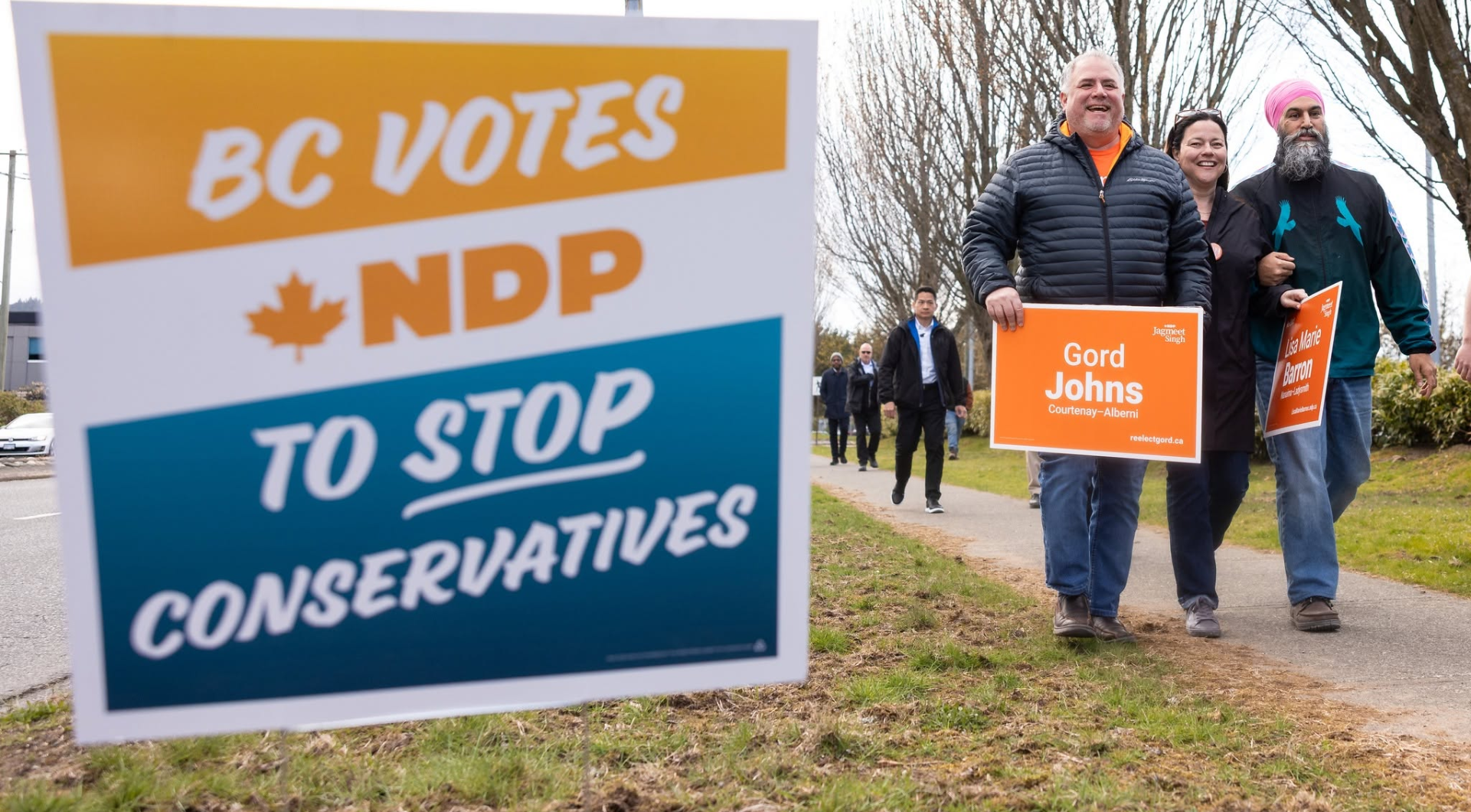
We've seen parties fold into each other before. The Progressive Conservatives and the Canadian Alliance did it and created a durable right-of-centre vehicle, up until Pierre Poilievre started giving ground to PPC supporters and other far-right political factions. BC United essentially dissolved into the Conservatives when the writing was on the wall. The Greens could choose a similar path—keep the brand for a while, then merge structures—or simply operate as a de facto wing of a larger progressive force. It's not elegant, but politics rarely is.
There are real downsides. I'm not one of those people who thinks fewer parties is automatically better. A healthy system should have room for more than two or three voices. But just because the current Green Party's distinct purpose is shrinking doesn't mean some new progressive outfit can't emerge on issues the Liberals, NDP, and Greens still soft-pedal. Competition of ideas is good. But competition that systematically elects the other side is just self-harm.
Lewis and Morrice share enough ground that fighting each other looks increasingly pointless. The voters who like both of them likely aren't interested in watching two small parties cancel each other out while Conservatives and Liberal form governments that can ignore them. A working non-aggression arrangement, or something closer to a formal alliance, would force whoever ends up in government after the next election to deal with a progressive bloc that can actually command numbers in the House. That is the difference between being a protest movement and being a player.
Canadian progressives have spent a long time complaining about first-past-the-post while refusing to adapt to it. The arrival of Lewis and the likely arrival of Morrice remove the last convenient excuses. The question is whether they have the discipline to take the opening, or whether they'll keep doing what they've always done and then act surprised when the map stays painted blue.
The views expressed in this piece are those of the author and do not necessarily reflect the editorial position of The Provincial Times. Read our Content Policy here.

Comments