
FACT CHECK: Brian Lilley’s column gets residential schools wrong
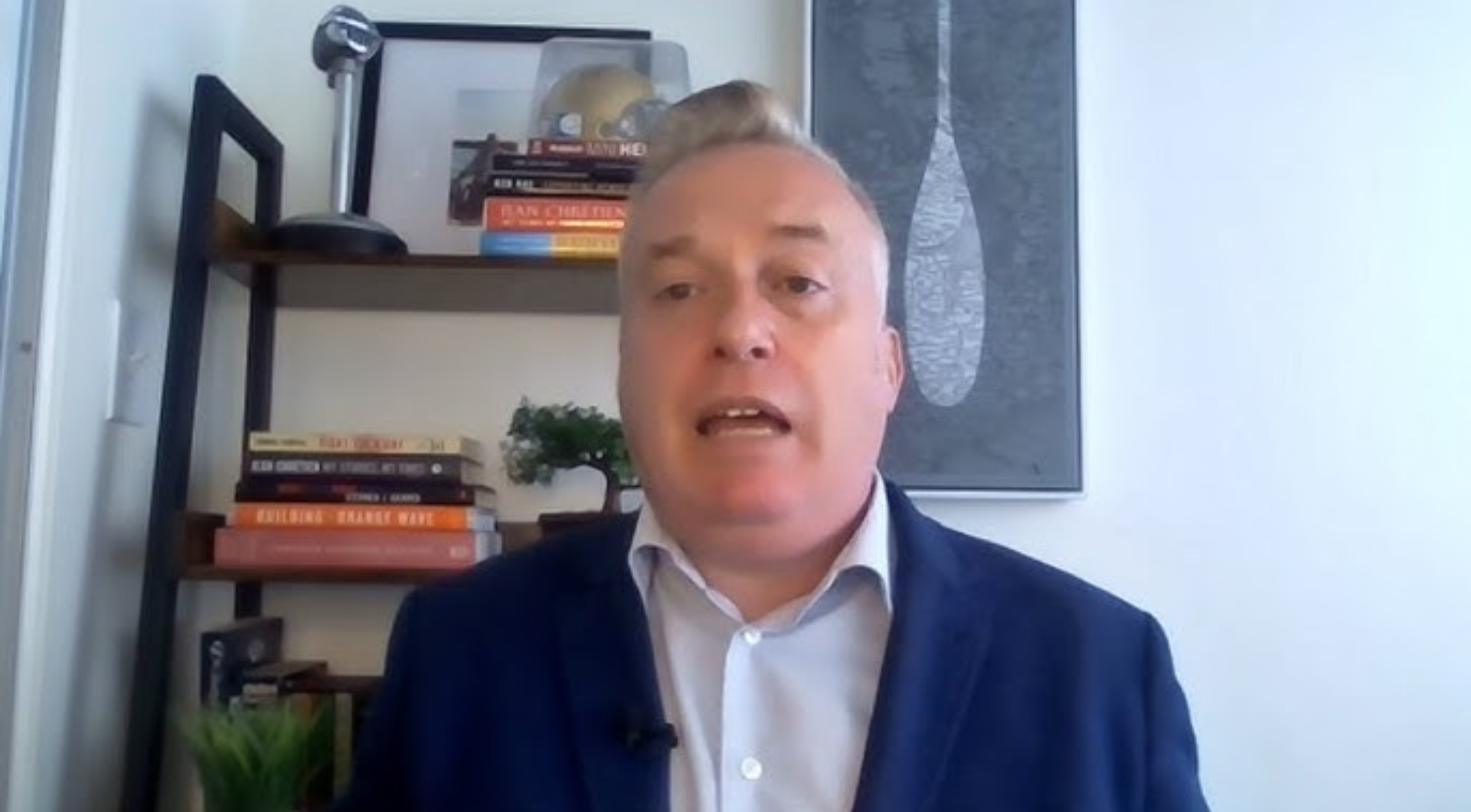
Brian Lilley's recent column claiming that “truth and reconciliation can't survive if debate is criminalized” is being shared as if it's a bold defence of free speech. In reality, it reads like something far less principled: a carefully constructed fog machine, built to cast doubt on documented historical atrocities while pretending to simply defend “open conversation.”
Let's be clear right from the start.
Disagreeing about policy is one thing.
But minimizing a system that tore children from their families, produced mass graves, banned languages, erased identities, and left scars that last generations is not “vigorous debate.” It is disrespectful. It is historically illiterate. And it is exactly the sort of conjecture masquerading as courage that weakens reconciliation instead of strengthening it.
Lilley accuses others of distorting history. Yet his argument depends almost entirely on half-context, selective fact-picking, and fear-mongering about free speech laws that don’t even exist yet.
That isn't truth-telling. That's narrative manufacturing.
No, Challenging Deliberate Denial Is Not “Criminalizing Debate”
Lilley frames the proposed legislation against residential school denialism as an authoritarian gag order. He paints a picture where Canadians could be thrown in jail for getting numbers wrong or for merely questioning media narratives.
This is a fantasy argument.
Every serious conversation on denialism laws—whether about the Holocaust or residential schools—focuses on intentional, organized efforts to:
- deny overwhelming historical evidence
- portray victims as liars
- justify systems of abuse or forced assimilation
- minimize systemic harm as “exaggeration”
That is not academic disagreement. That is not family discussion around the dinner table. That is not historians updating numbers when new research emerges.
That is the deliberate erasure of victims to rehabilitate abusive systems.
Lilley knows this, or should. Yet he leans on vague hypotheticals:
“Could I be prosecuted if I said there were not 215 children buried…?”
This is rhetorical theatre. No court is jailing people because they read GPR data differently. The issue is people who insist the harms themselves were fabricated, that survivors are lying, or that residential schools were fundamentally benevolent institutions unfairly maligned by “woke history.”
That is not debate; it is denial, and it has real-world consequences for Indigenous communities who are still burying their dead, still locating children, and still fighting to have their trauma taken seriously.
Kamloops Isn't the Smoking Gun He Thinks It Is
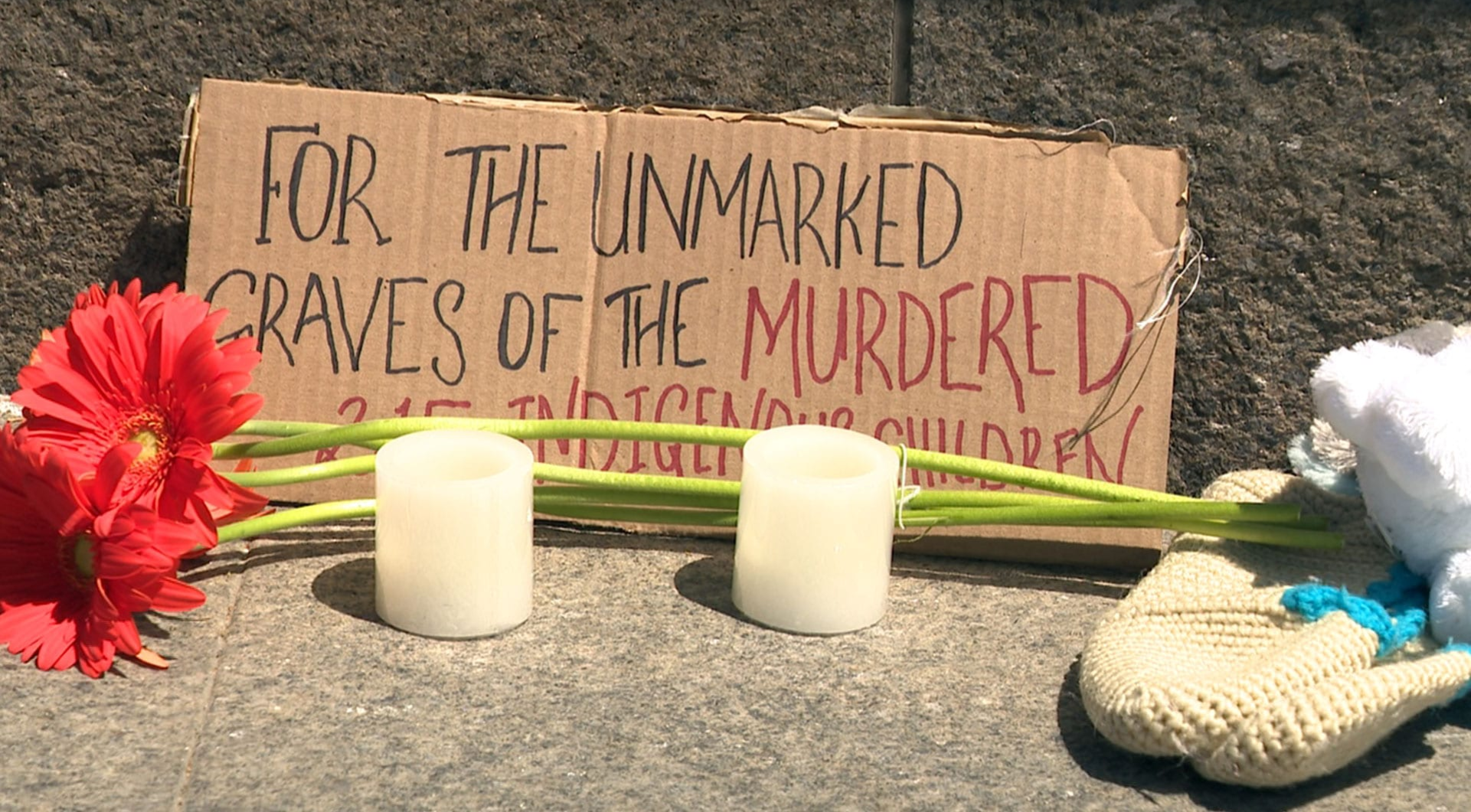
Lilley invests remarkable energy into one thing: the number 215.
He repeatedly notes that the Truth and Reconciliation Commission documented 51 deaths at Kamloops and that the 215 figure comes from ground-penetrating radar rather than exhumations.
This is presented as some sort of devastating contradiction.
It isn't.
What it actually demonstrates is:
- burial sites existed that were not properly documented
- records were incomplete, destroyed, or never kept
- communities were ignored when they said children disappeared
- technology is finally catching up to what survivors already knew
The absence of a federal spreadsheet does not equal the absence of graves.
The GPR findings didn't appear from thin air; they came after years of testimony, oral histories, missing children, and institutional neglect. Lilley treats a lack of exhumation as proof of fabrication, ignoring cultural, ethical, spiritual, and legal reasons communities don't immediately dig up the bodies of dead children.
Disease Without Context Is Just Another Form of Denial
One of Lilley's most troubling manoeuvres is the claim that most deaths at residential schools were caused by disease rather than murder.
This is technically true in the same empty way that saying “Titanic passengers died of water exposure” is true.
Wha'’s missing?
Everything that matters.
Indigenous children died at disproportionately high rates because:
- they were forcibly removed from families
- schools were overcrowded and underfunded
- malnutrition was widespread
- medical care was neglected or denied
- federal officials knowingly allowed unsafe conditions to persist
Tuberculosis did not make administrative decisions. Measles did not write federal policy. Influenza did not pass laws to seize children from parents.
Systems kill without pulling a trigger.
To say “it was disease, not murder” is to pretend the Canadian government and the Catholic church bears no responsibility for the dangerous, coercive, assimilationist institutions it created and maintained.
The “Some Had Good Experiences” Argument Is Despicable
Lilley notes that some former students described positive experiences in residential schools and asks whether acknowledging that could become illegal.
No serious observer disputes that some individual staff members were kind or that some students formed friendships or enjoyed sports.
But genocide and cultural destruction are not erased because someone liked their hockey coach.
We can—and must—hold two truths:
- some individuals had non-abusive experiences
- the system itself was designed to eliminate Indigenous culture and family bonds
The existence of exceptions does not absolve the rule.
To invoke positive anecdotes as a counterweight to intergenerational trauma is like arguing a factory wasn't abusive because one worker liked the cafeteria food.
It is morally trivialising and deeply disrespectful.
Free Speech Requires Responsibility, Not Just Noise
Lilley repeatedly invokes the Charter as if citing it ends the discussion. But rights in Canada are always balanced against harms. That is the foundation of our legal system.
We already restrict speech that:
- defames individuals
- incites hatred
- facilitates fraud
- threatens safety
Nobody claims that libel laws “criminalize debate” about journalism. Nobody insists fraud laws “criminalize entrepreneurship.” Only in this context does Lilley suddenly discover a fear that any limit at all means the sky is falling.
The truth is simpler:
He is defending the right to minimize, dismiss, or cast doubt on state-sponsored cultural destruction while pretending he is just defending discussion.
Reconciliation Requires Truth, Not Word Games
The insult of Lilley's column is not that he opposes a bill. Reasonable Canadians can and will debate legislation.
The insult is that he:
- questions the credibility of Indigenous testimony
- reframes systemic harm into “narrative overreach”
- downplays deaths through technicality
- chases ambiguity like a lifeline
- cloaks all of it in the language of courageous free speech
Then he accuses others of distorting history.
The residential school system was not a bad camping experience. It was a coordinated state–church project aimed at destroying cultures, severing children from families, and remaking an entire people in the image of another.
Calling that what it is—a deliberate attempt to erase identity and culture—is not extremism. It is historical accuracy.
And denying it is not debate. It is denial.
Respect the Survivors First
Reconciliation does not mean criminalizing thought.
But it does mean refusing to entertain bad-faith conjecture with no evidence backing it up.
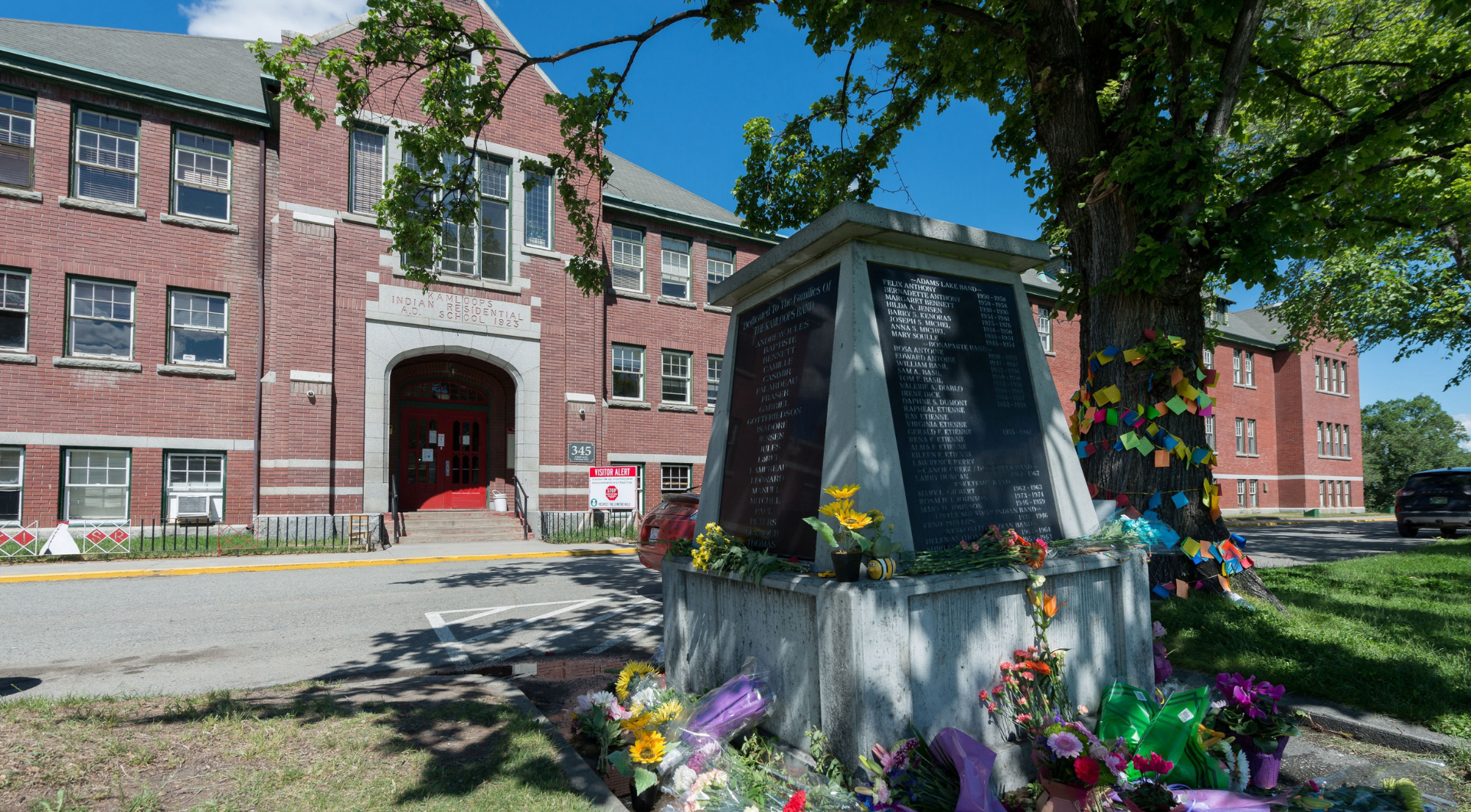
It means respecting the graves we are still finding.
It means understanding that “died of disease” does not absolve a government that created the conditions for disease to thrive.
It means recognizing that survivors do not owe anyone perfect archival paperwork to prove their suffering.
Most of all, reconciliation means this:
Survivors should not have to keep relitigating whether what happened to them really happened.
And propagandist columns like Lilley's do not advance truth. They muddy it while lecturing everyone else about free speech.
This piece was written by an individual contributor and reflects the editorial position of The Provincial Times and Left Lane Media Group. Read our Content Policy here.Read our Content Policy here.
Comments