
Ford pitches ‘Fortress North America’ strategy for deeper North-American integration
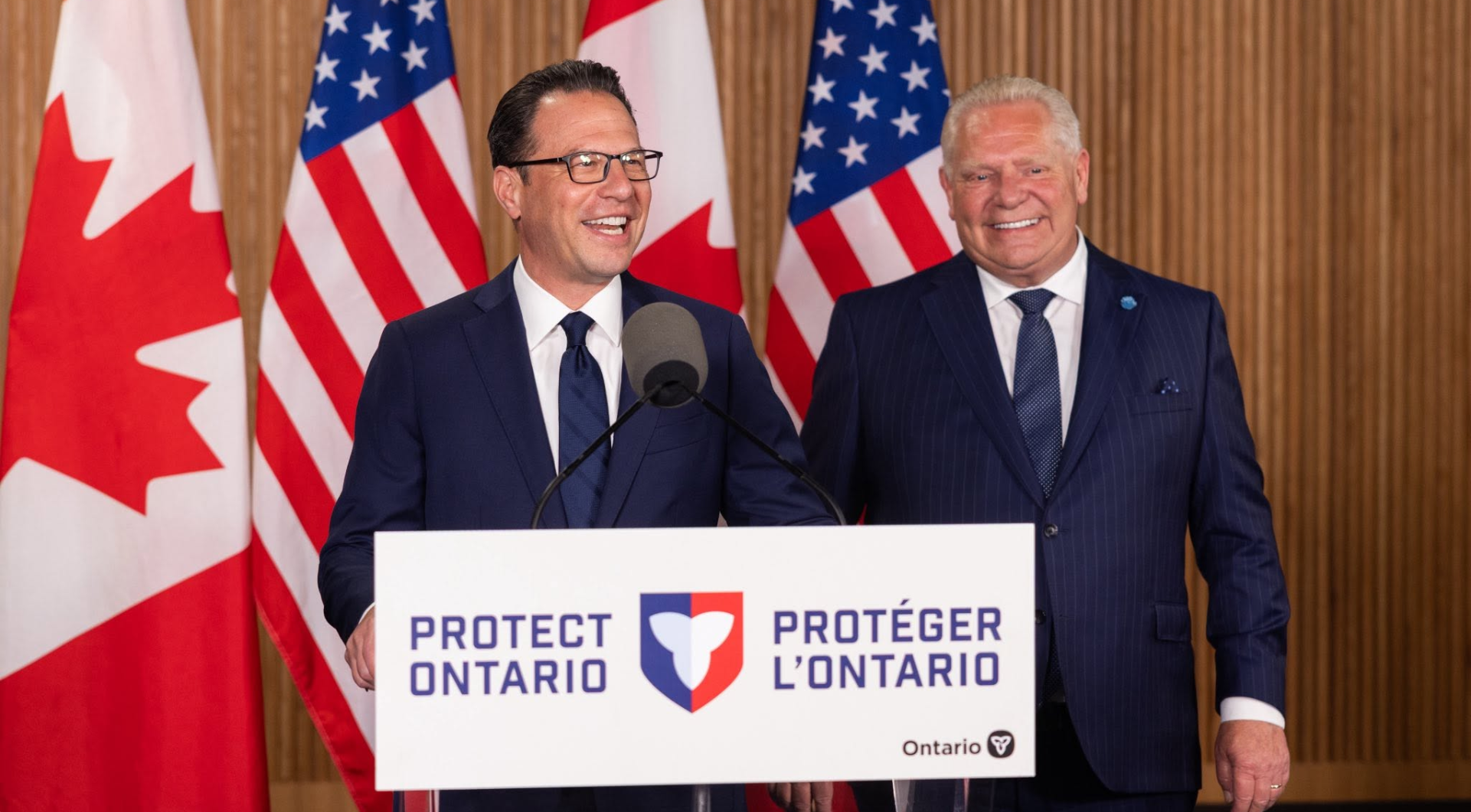
Ontario Premier Doug Ford is pitching a sweeping vision for tighter economic and security integration across North America. In a 32-page strategy document, he calls for a renewed U.S.-Mexico-Canada free-trade agreement, expanded critical minerals processing in Ontario, a major push on nuclear energy, and stronger measures to shield the continent from Chinese influence.
The “Fortress North America” pitch was unveiled as the Premier concluded meetings in Washington with U.S. senators, members of Congress, and industry leaders. It frames deeper trilateral cooperation as essential to creating jobs, lowering costs for families, and securing supply chains in critical minerals, defence, energy, and advanced technology.
“Ontario is a vital partner in the continental trading relationships that benefit workers in Canada, the United States, and Mexico,” Ford said in a press release. “Our Fortress North America plan provides a once-in-a-generation opportunity for Canada, the United States and Mexico to build on this co-operation, secure North America, create jobs and deliver real results for workers and families.”
The strategy outlines six main pillars: promoting free, fair and balanced trade; growing the economy for workers; accelerating strategic resource development; achieving energy security; protecting land, air, Arctic and water; and enhancing data and research security.
Among the more concrete proposals is an ambitious target to produce one million more vehicles annually in North America by 2028 through a strengthened continental auto sector. The plan also calls for significantly expanding critical minerals processing capacity in Ontario, and positioning Canadian uranium and nuclear expertise to help power U.S. energy needs. Ontario highlights its existing nuclear fleet and small modular reactor projects as key advantages.
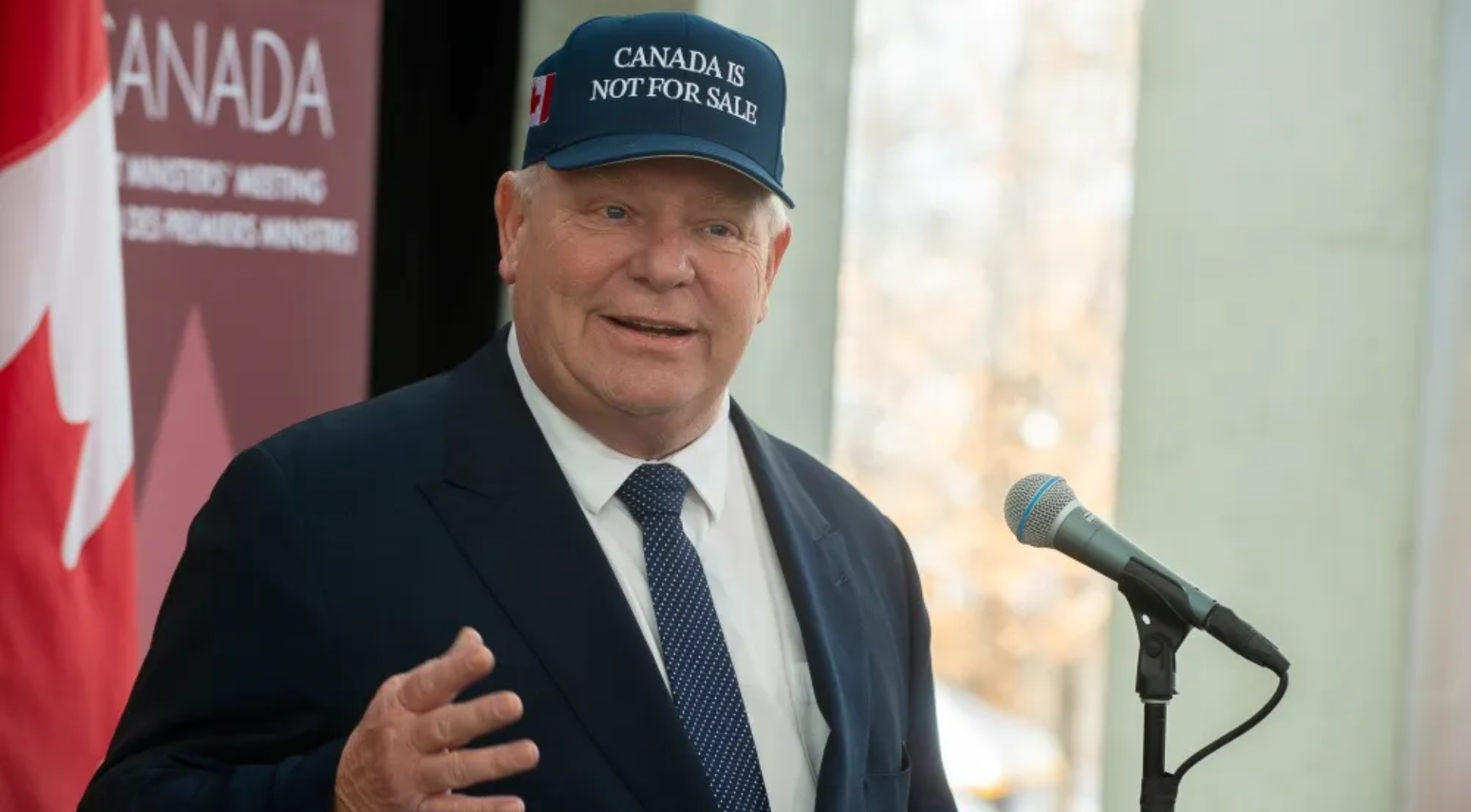
This marks a notable evolution in the premiers general posture toward the United States. In early 2025, as tariff threats loomed from the incoming Trump administration, Ford repeatedly declared that “Canada is not for sale” and positioned Ontario as standing firm against U.S. pressure.
The new position presents a more enthusiastic embrace of deep continental integration as the path to shared prosperity and security.
The plan places heavy emphasis on reducing reliance on China. It recommends coordinated investment screening, prohibitions on Chinese state-owned enterprises acquiring influence over strategic North American assets, and protection for the auto sector from what it describes as “heavily subsidized Chinese electric vehicles” undermining investments made in North America.
Ford's continued criticism of Chinese imports comes as Ontario's EV strategy has centred on attracting large-scale battery manufacturing plants with substantial public support, rather than measures specifically aimed at making affordable electric vehicles widely available to Ontarians—whereas Mexico recently unveiled a built-in-Mexico EV that will be sold at a price working-class Mexicans can afford.
The document also highlights Ontario's border security efforts, citing statistics from the province's Operation Deterrence initiative on patrols, inspections, and seizures of firearms, drugs, and stolen vehicles. It calls for Canada to move beyond its NATO 2% defence spending target toward 5% and for greater investment in Arctic capabilities and NORAD, a position shared by the federal Canadian Future Party.
The Ford PC's argue that a stable, renewed trilateral trade agreement with minimal disruption will unlock billions in new investment and strengthen North American resilience. The plan repeatedly stresses that economic security and national security are "inseparable" in an era of global competition.
The release comes as the federal Liberal government under Prime Minister Mark Carney navigates its own relationship with Washington on trade, security, and economic policy. Many of the “Fortress North America” recommendations—on regulatory alignment, infrastructure for mining, nuclear approvals, and foreign investment screening—would require federal action or coordination.
Whether the vision gains traction in Washington or Ottawa remains to be seen. What is clear is that Ford is positioning Ontario as central to a more integrated North American economic bloc that treats close alignment with the United States as a strategic advantage rather than a risk to be managed.

Comments