
ADAMS: How Carly Rae Jepsen soundtracked my love life
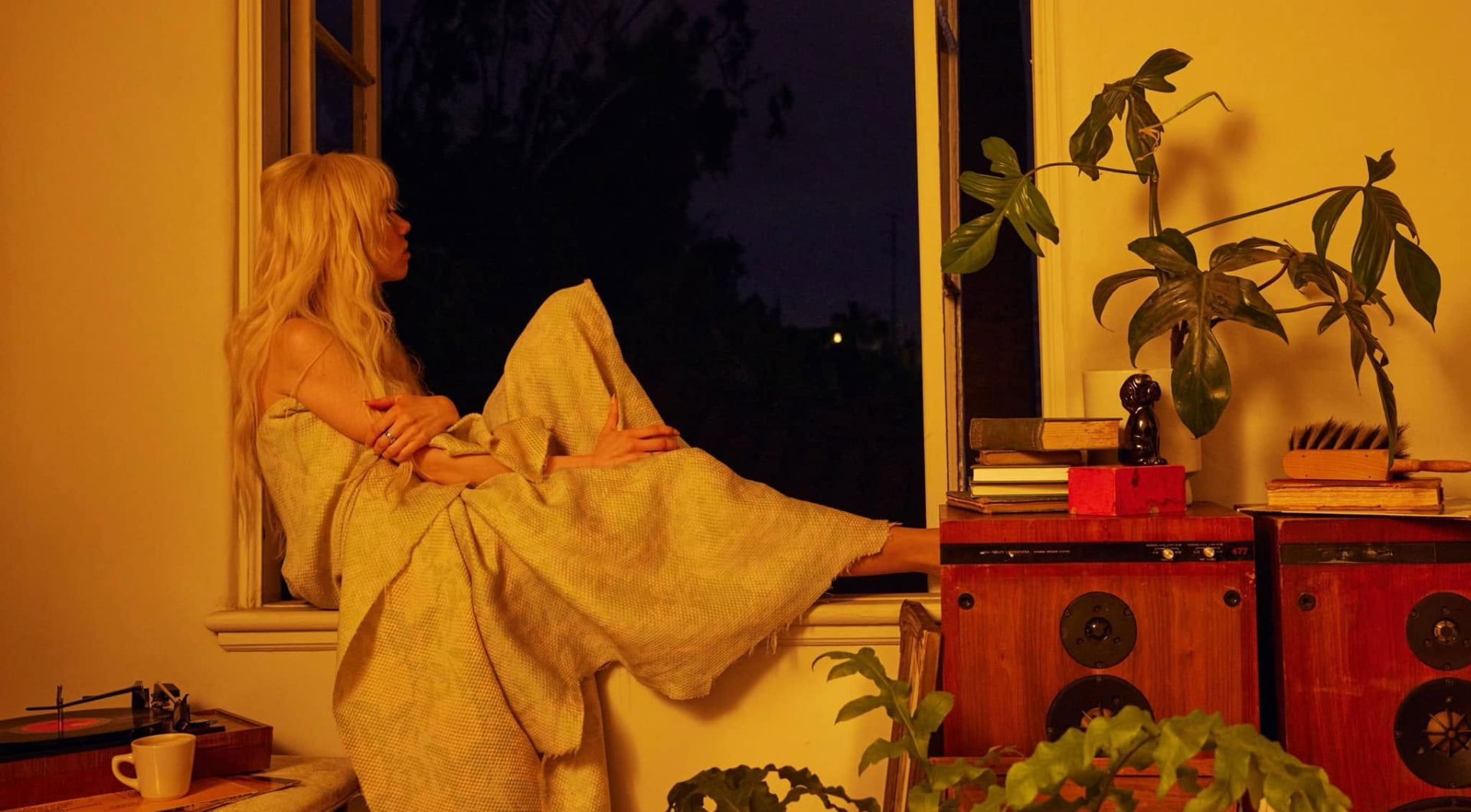
Right after I turned sixteen, The Loneliest Time came out. The next summer, just before I hit seventeen, The Loveliest Time followed. In the months between those two albums, my first romantic relationship started and then ended. It wasn't perfect, but I cared about him more than I knew how to say at the time, and somehow both albums absorbed all of it.
Most people still think of Carly as “the Call Me Maybe girl” who had her moment and then faded, and if you only check the charts, Carly would be an easy woman to misread. What she actually did after that, though, was stranger and more interesting.
Emotion came out in 2015 and quietly became an album that people who really care about pop music keep returning to. It didn't sell the way a proper hit record is supposed to, but it built her a different kind of audience that sticks around because the music feels necessary, not because the algorithm forces it on you.
You won't typically hear these tracks blasting out of car windows or in malls. You'll hear them in bedrooms at 1 a.m., or on someone's carefully curated playlist on Apple Music. Carly somehow ended up making pure pop that isn't designed to conquer radio and just keeps writing these sharp, bright, slightly aching songs about wanting someone so badly it rearranges your insides, and a certain group of people—especially queer people—treat that like oxygen.
The Loveliest Time is the companion to The Loneliest Time; a bunch of leftover songs that somehow don't feel leftover at all. It came out less than a year after the first one, which on paper sounds like a cash grab or a creative dry spell. It isn't. The production is slicker and more restless this time.
“Anything To Be With You” opens the whole thing with this restless energy that never quite settles, and “Shy Boy” has a bounce that feels almost cocky. There's a confidence here that wasn't always present before. For once she sounds like she knows exactly how good the hooks are.
What holds The Loveliest Time together is the subject matter. Almost every song circles the same handful of feelings: the terror and thrill of letting someone in, the stupid giddy rush of early nights together, the quieter worry that your own mess might hurt the person you care about.
“Kamikaze” captures that first reckless collision. “After Last Night” and “Stadium Love” are pure champagne-bubble joy. “Kollage” sits with the harder part—the way your pain can spill onto someone else. None of it is complicated storytelling. It's just the immediate, almost physical sensations of being in something new and fragile, written in the kind of melodies that lodge in your head for weeks.
“Shadow” is the one that still gets me. It has that rare quality where the chorus feels like it's always existed, like you half-remember it from somewhere even though you know you don't. That's Carly Rae Jepsen at her best. She can make something brand new feel inevitable.
People sometimes say her music lacks a clear personality compared to artists like Taylor Swift, that you finish an album still not really knowing who she is. I used to half-agree with that until these two records showed up at exactly the right (and wrong) time in my life and that criticism stopped mattering.
You don't always need a detailed diary entry or a carefully constructed persona. Sometimes you just need songs that sound like the exact temperature of what you're feeling. For me, The Loveliest Time has that. It has a perspective on romance; messy, hopeful, a little scared, completely sincere, and it has an emotional core that still feels real years later.
Not every record has to reinvent the form or bare someone's soul in a way that wins awards. Sometimes a great pop album is just a great pop album that arrives when you need it. For me, this one did.
The views expressed in this piece are those of the author and do not necessarily reflect the editorial position of The Provincial Times. Read our Content Policy here.

Comments