
BC United officially deregistered by Elections BC for failing to field candidates in 2026 electon
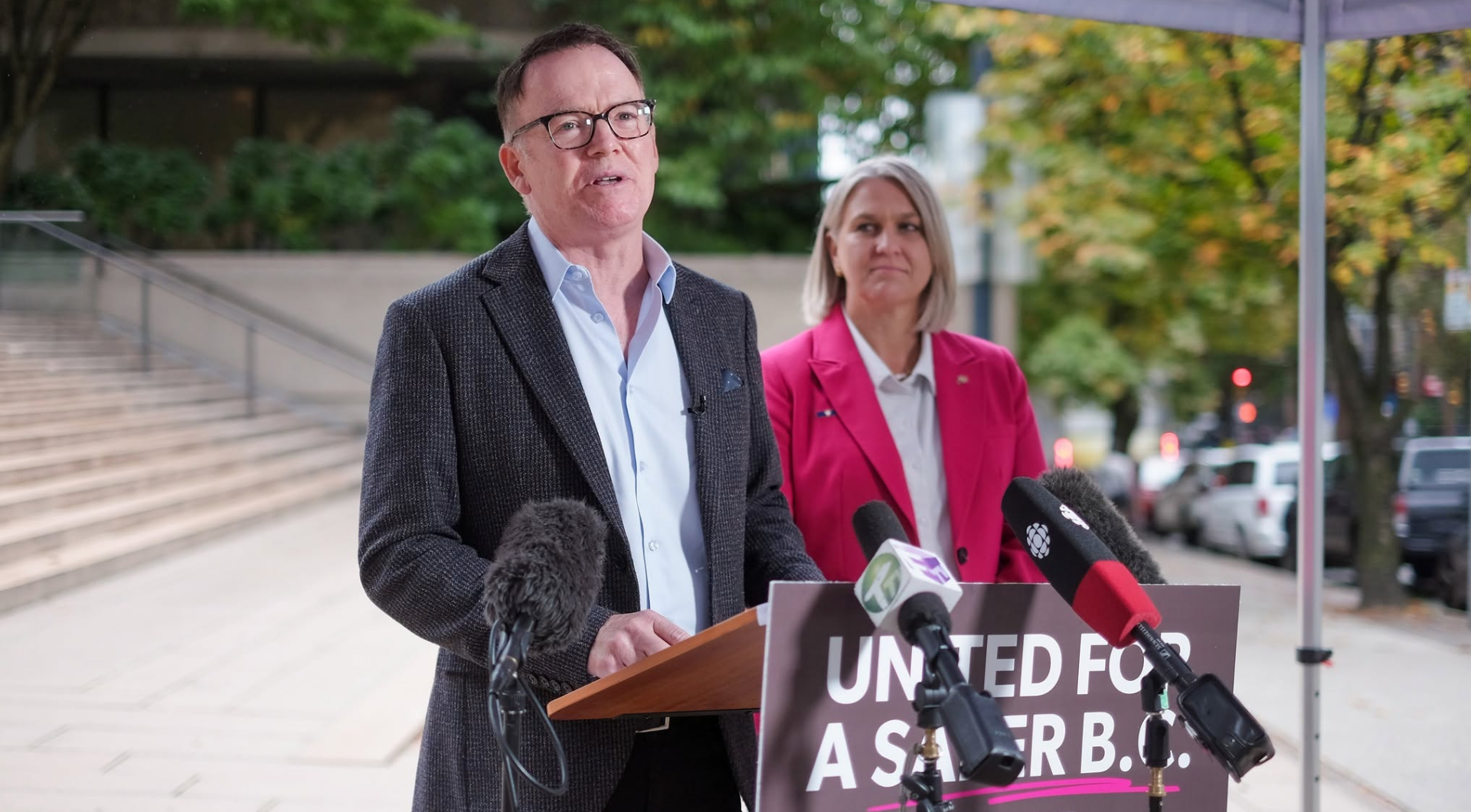
Elections BC has formally deregistered BC United (BCU) after it failed to field candidates in two consecutive provincial general elections. The move, effective today, marks the definitive end of a political institution that dominated British Columbia's centre-right for more than three decades and governed the province for 16 consecutive years.
Formerly the BC Liberal Party, BCU served as the main alternative to the NDP from the early 1990s until its abrupt collapse in 2024. Under leaders from Gordon Campbell and Christy Clark to Kevin Falcon, it built a big-tent coalition that blended fiscal conservatism with social moderation.
In August 2024, Falcon suspended the party's campaign and endorsed John Rustad's resurgent Conservatives to avoid splitting the anti-NDP vote. Many of BCU's organizers, donors, and former MLAs migrated into the Conservative Party of British Columbia, which had previously occupied a more marginal, right-wing position. In effect, significant portions of BCU's institutional strength and moderate base helped transform the once-fringe Conservatives into a near-government force that won 44 seats in 2024.
Yet the absorption was incomplete and ultimately fractious. Under Kerry-Lynne Findlay's brief and turbulent tenure as Conservative leader from May to September 2026, many former BCU supporters felt sidelined or alienated. Findlay's leadership, which was marked by caucus expulsions, staff controversies, and a hard-right tilt, prompted a wave of resignations and defections.
As a result, the old BCU coalition has splintered.
A substantial share remains inside the Conservatives under the leadership of Lorne Doerkson, who has worked to reintegrate some of the departing MLAs. Others have gravitated to CentreBC, the centrist party founded by former BCU MLA Karin Kirkpatrick and now led by Elenore Sturko. Others have aligned with Unite Liberal BC, a grassroots network of longtime BC Liberal and BCU members seeking to reclaim a mainstream centre-right brand and restore member control over what remains of the old party's identity.
Meanwhile, the more hardline right-wing vote has coalesced around OneBC, the party formed by former MLAs Dallas Brodie and Tara Armstrong. OneBC has carved out space further to the right of the CPBC, drawing support that once existed on the Conservatives' populist flank.
BCU's deregistration closes a chapter that began with the BC Liberals' revival in the 1990s and peaked with their long years in power. Though the Conservative Party proved last night that it can win a general election with sensible leadership, British Columbia's political right remains divided and enters the post-election period with no clear successor to the party that once defined it.

Comments