
Poilievre brands expanded shadow cabinet the ‘Affordability Team’ as Carney keeps leaner front bench
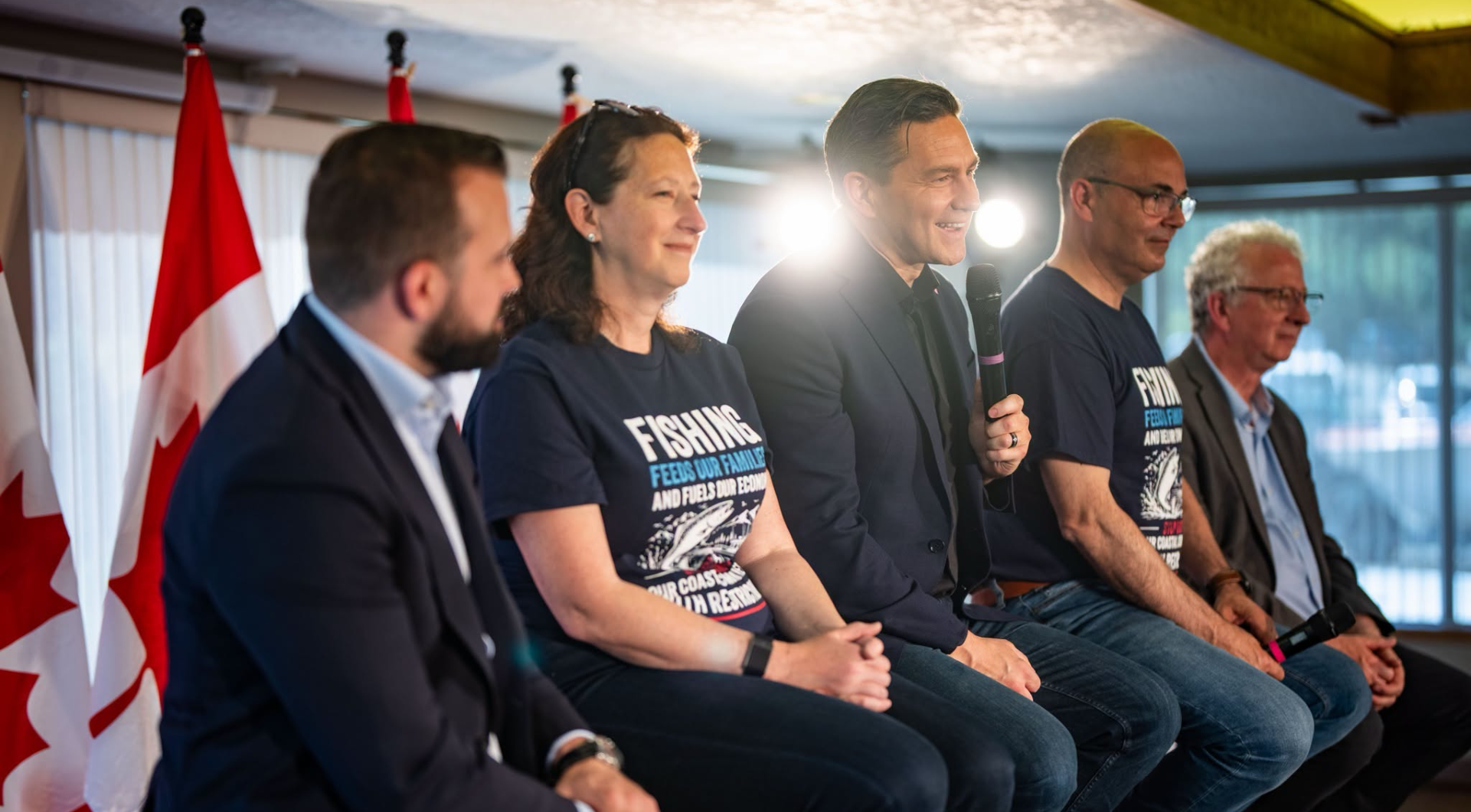
Conservative Party leader Pierre Poilievre on Tuesday rolled out a shadow cabinet of 84 positions, including leadership roles and associate critics, and immediately branded the group his “Conservative Affordability Team.” The move comes as Prime Minister Mark Carney continues to govern with a significantly smaller front bench of 28 cabinet ministers and 10 secretaries of state.
Poilievre's announcement emphasized pocketbook concerns, with the Conservative leader repeating that his team's three priorities were “affordability, affordability and affordability.” He argued that broader challenges facing the country, from housing costs to public safety, ultimately trace back to "Liberal-driven" inflation and economic stagnation. Yet the sheer scale of the new critic roster, more than double the size of Carney's cabinet, invites questions about whether the opposition is practicing the restraint it preaches.
The core leadership team remains largely unchanged: Melissa Lantsman and Tim Uppal stay on as deputy leaders, Andrew Scheer continues as House leader, and Scott Aitchison retains the housing critic role he has held for several years.
Those continuities suggest Poilievre is relying on familiar figures to manage parliamentary business and maintain internal stability. That said, several notable shifts did occur.
Michael Chong, a veteran Ontario MP, moves from foreign affairs to finance, a file that will put him squarely against Finance Minister François-Philippe Champagne. Aaron Gunn, a relatively new backbencher known for his pointed interventions on government accountability, takes over the ethics and accountable government portfolio, at a time when the Carney Liberals are facing backlash for bailing out condo developers in his province of British Columbia.
Rachael Thomas assumes the newly titled Canadian Identity and Culture critic role. Roman Baber, who gained prominence during the COVID-19 pandemic for his position on vaccine mandates while sitting as an Ontario MPP, has been given the civil liberties file.
The most surprising appointment of the announcement was Leslyn Lewis as shadow minister for digital government and artificial intelligence also stood out. Bowmanville—Oshawa North MP Jamil Jivani, who has been among the most vocal Conservative critics of the Carney government's AI strategy and data-centre plans, was once again left off the front bench.
What the new roster does not include is equally telling. There are no dedicated critics for disability inclusion or multiculturalism; portfolios that existed under Stephen Harper and were expanded under Justin Trudeau. Nor are there specific roles focused on Black Canadians, the LGBTQ community, or other identity-based files that became fixtures in recent Liberal cabinets.
Poilievre's team instead concentrates on traditional economic and regulatory files, along with a handful of targeted additions such as a supply-chain critic who will also chair a food affordability task force, and an infrastructure critic given explicit responsibility for pipelines and Alberta-related projects.
Poilievre's previous shadow cabinet already numbered in the mid-70s; the current version pushes the total higher still by adding more associate positions and carving out narrower mandates. While opposition parties routinely appoint more critics than the government has ministers—partly to keep a larger caucus engaged and to shadow every corner of government—the decision to market the exercise as an affordability initiative sits awkwardly beside the headcount.
Carney, by contrast, has maintained a deliberately compact cabinet since taking office, arguing that fewer voices around the table allow for faster decisions. His government has absorbed some of the parliamentary secretary functions into the 10 secretaries of state, keeping the overall paid front bench well below 40.
Poilievre's team will now fan out across committee rooms and question period with a clear instruction to hammer cost-of-living issues. Whether the large roster strengthens that message or dilutes it will depend on how effectively the new and returning critics coordinate. For now, the contrast between the “Affordability Team” branding and the size of the operation it describes remains the most striking feature of Tuesday's announcement.

Comments