
ADAMS: I went to an Avi Lewis rally. Here’s my verdict on the federal NDP.
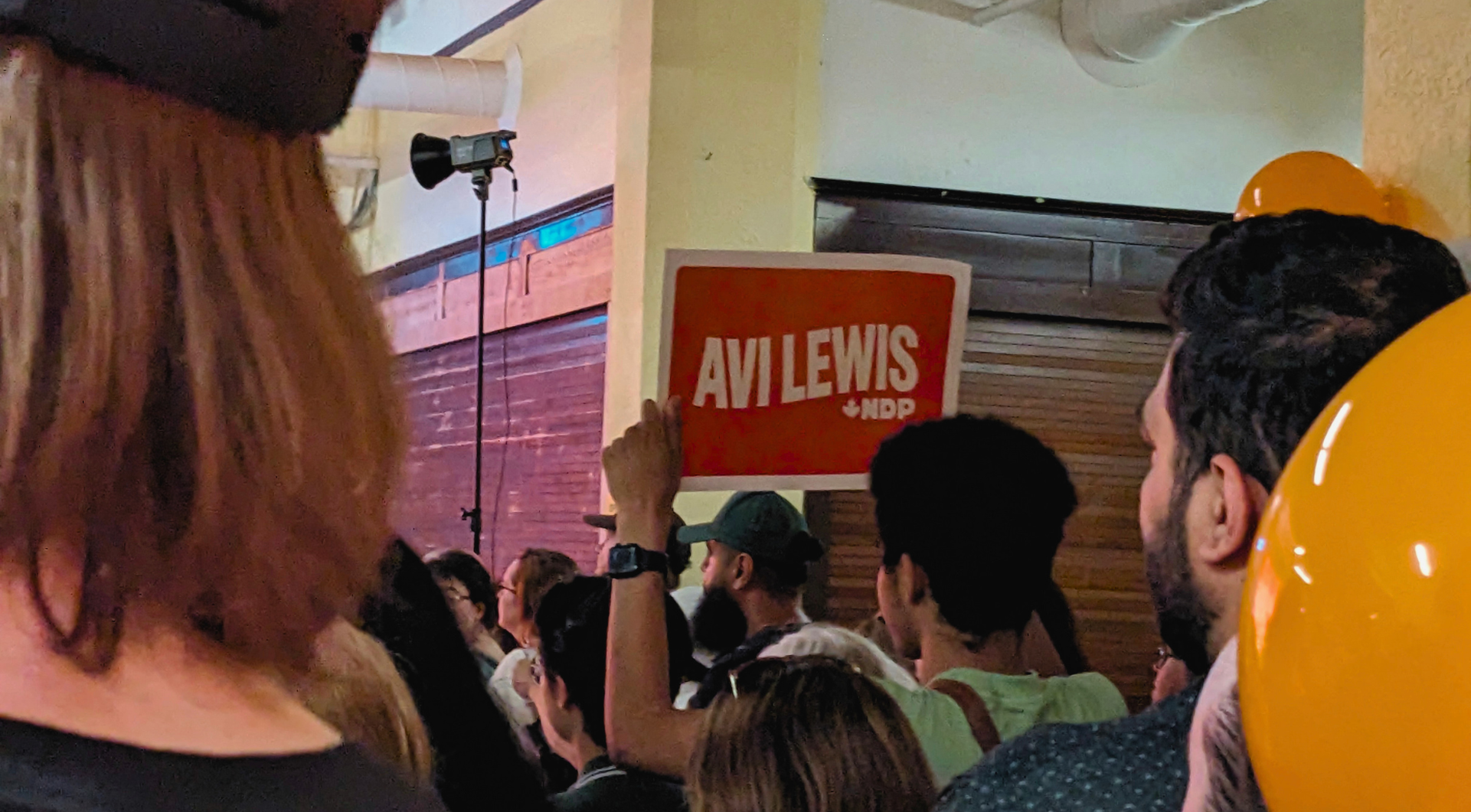
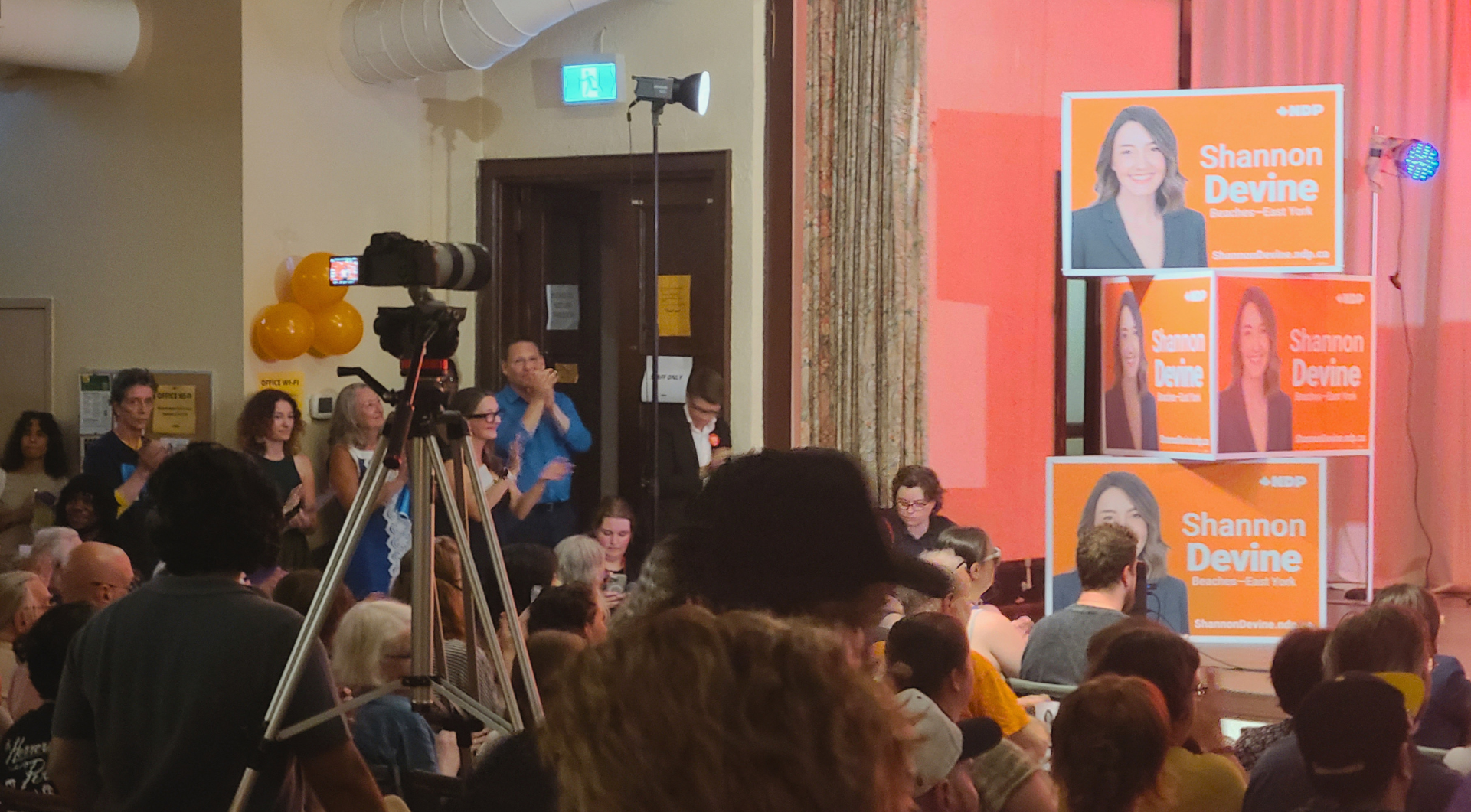
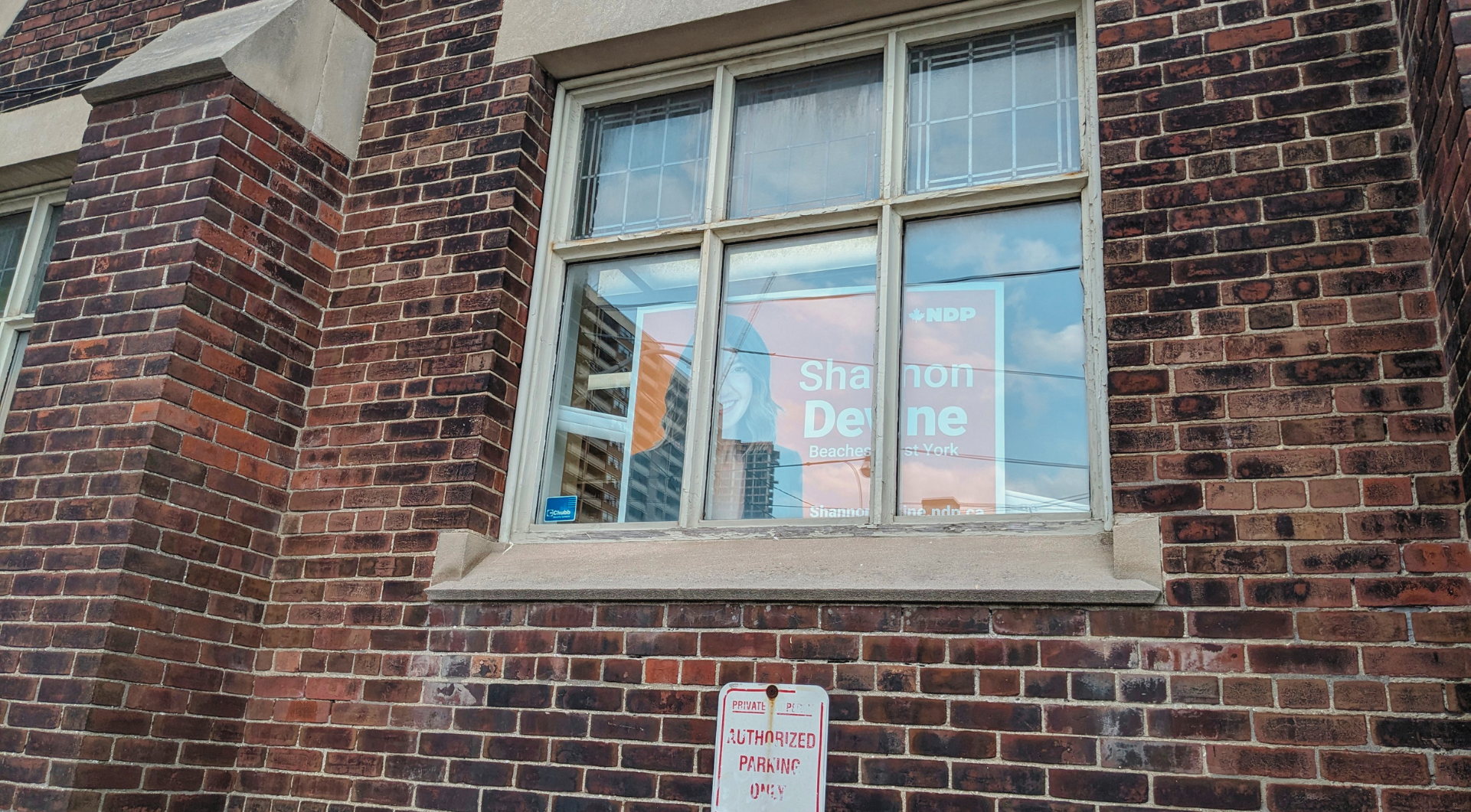
I walked into a church basement in Beaches—East York on a sticky Tuesday night expecting the usual. After a year of Conservative events at airport hangars, campus stops, the Calgary convention, and even Ford Fest, I have a pretty clear sense of how these rooms operate; leaders are protected, and shortcomings are blamed on someone else. I went to Shannon Devine's campaign launch for three reasons: to observe like I always do, to decide whether the NDP still has a pulse, and to do something I should have done a long time ago.
Avi Lewis and I haven't been on good terms, and that's entirely my fault. I wrote and said things that were unfair and poorly researched, and I figured the least I could do was show up, own up to my past mistakes, and try to establish a more friendly relationship going forward. More on that later.
Before the speeches even started, I was already sweating through my shirt. Young people, older labour types, a mix of backgrounds were all crammed into this church basement to hear about a by-election most of the country has written off as a foregone conclusion. The room was packed tighter than the organizers planned, and that alone was different from any by-election that I've seen.
The Absence of Pattern I Have Come to Expect
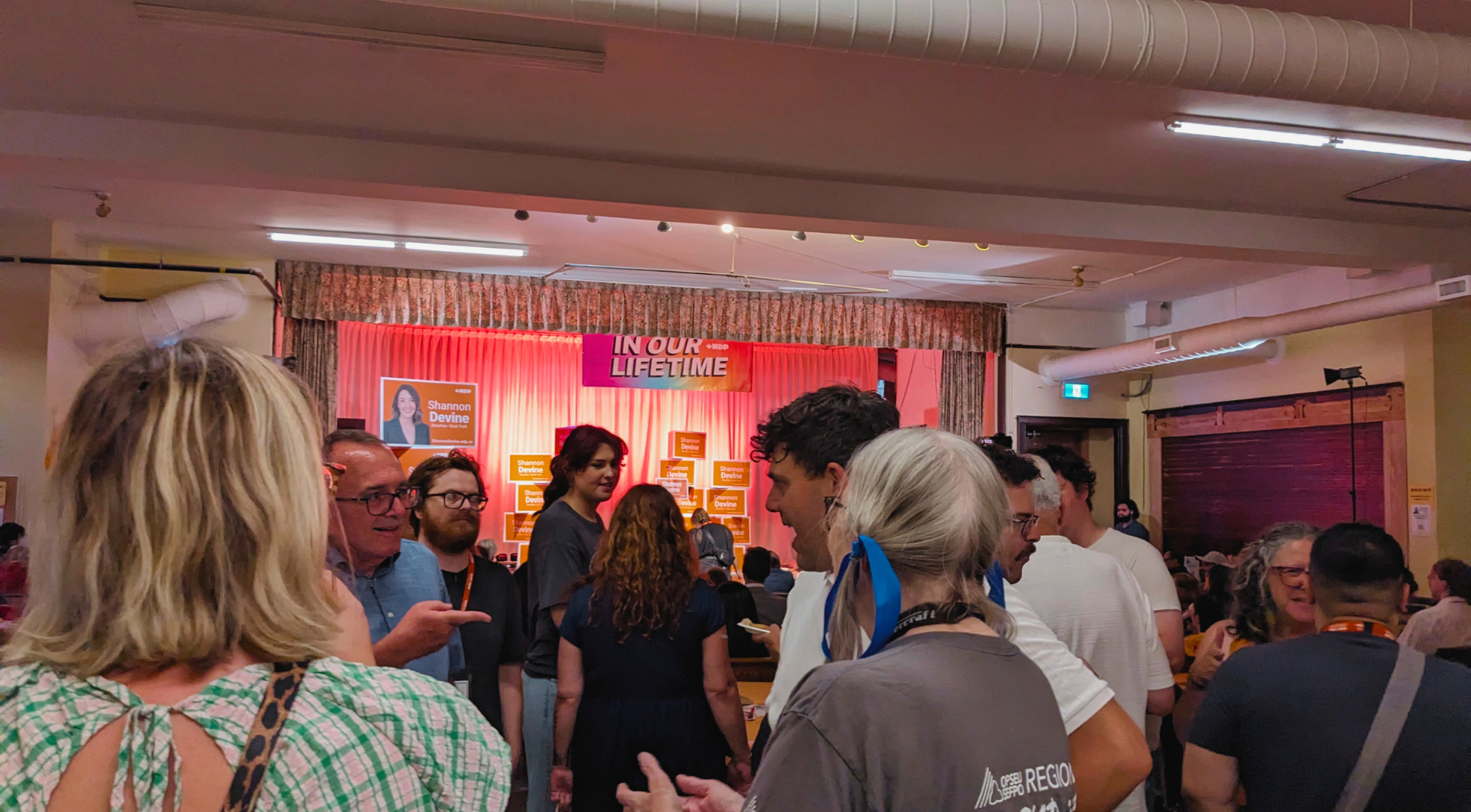
At the Ryan Terminal Poilievre rally, at the Calgary Conservative convention, at Ford Fest, and at more than one Liberal gathering, the script is reliable: the leader is good because we say so, nothing is ever our fault, and any setback is the work of the media, the other side, or some vague external force.
Here, both in the official remarks and in the conversations around me, people named their own mistakes. Carney turning the 2025 election into a referendum on Trump hurt the NDP, but the 2020s had shortcomings that were the fault of the NDP itself. Independent errors were made, and this was acknowledged.
What surprised me was how clearly this room rejected the habits I have watched the other parties lean into. Disagreement happened, and they happened respectfully. People talked about actual policy instead of treating every critique as betrayal. The contrast with Conservative spaces that punish even minor criticism of their own side was hard to miss.
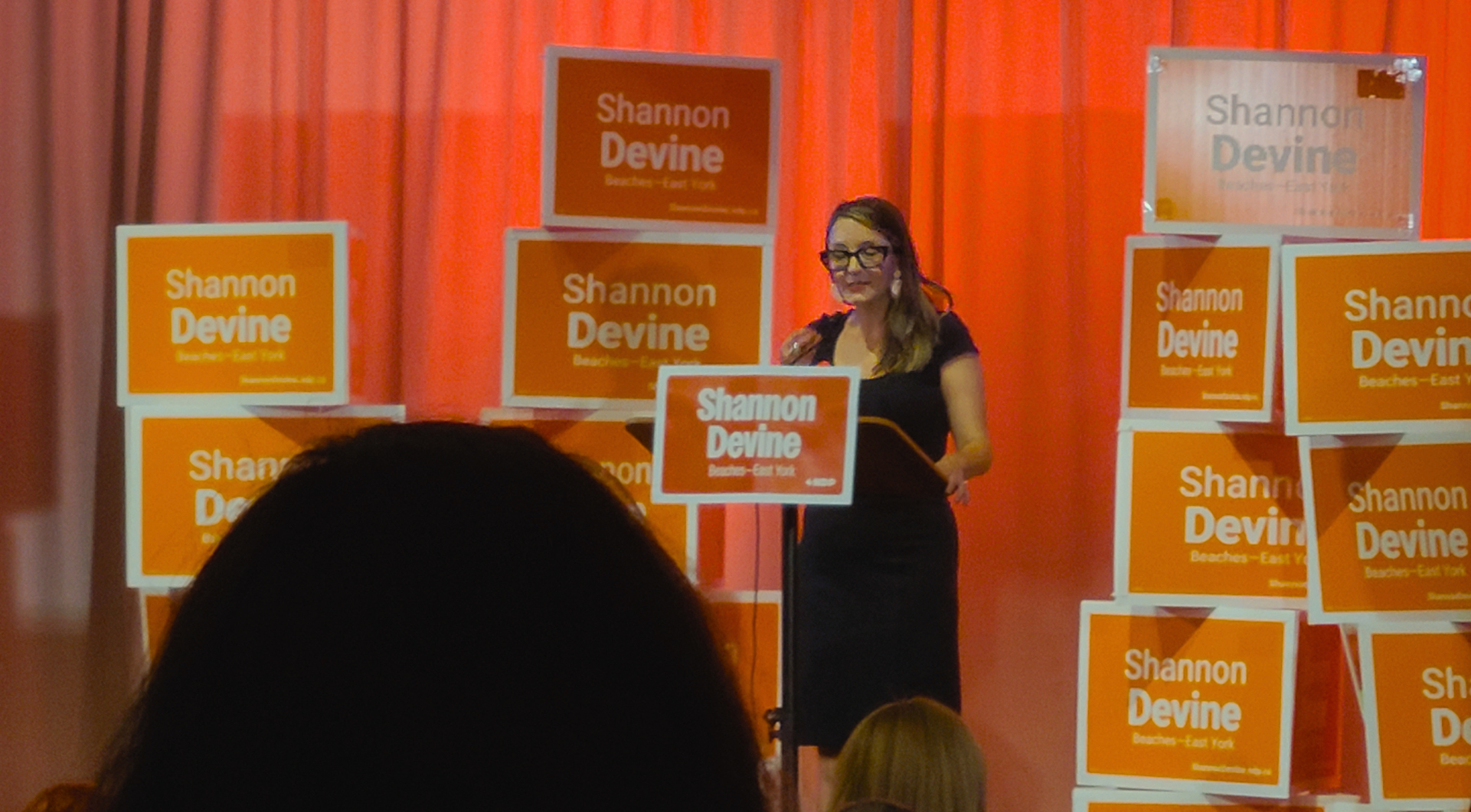
Shannon Devine and Avi Lewis both hit the point that has been sitting in the back of a lot of progressive voters' minds. Plenty of us, myself included at points, backed Mark Carney last time because the alternative looked worse. What we are getting is not what many of those voters thought they were buying.
In this riding, the Billy Bishop airport expansion landed especially hard. The crowd booed and called out “shame” when it came up. The Liberals only found their voice on the airport late, and even then, Carney has left himself room to walk it back. Shannon is notable for having condemned the expansion from the start.
Voters notice who shows up early and who shows up when the cameras are already rolling, and Shannon is doing better on this than the Liberal and Conservative candidates in this by-election have done.
The Tedious Mechanics of Movement-Building
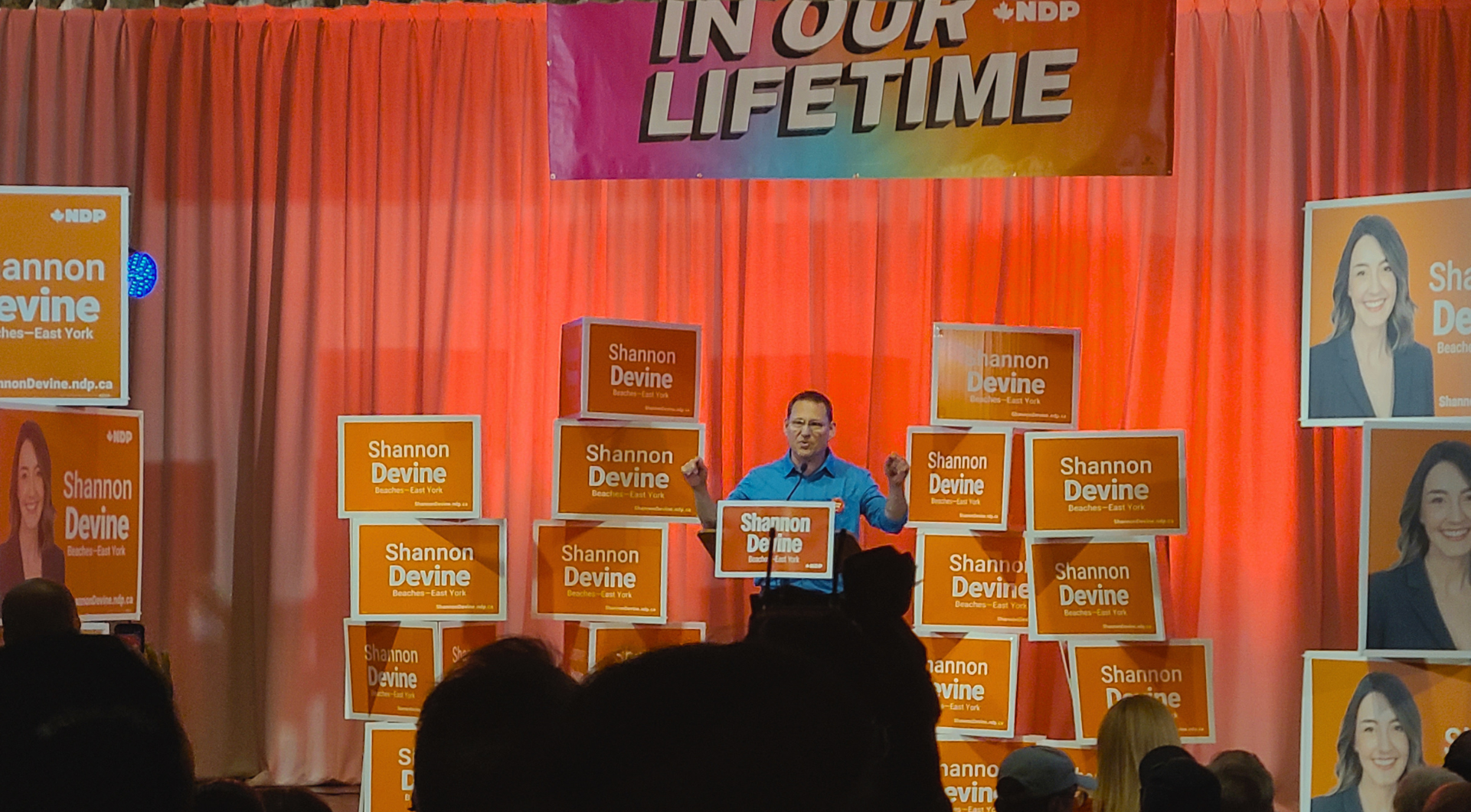
The speeches themselves had a through-line that the Conservative events I covered rarely managed. There was a clear vision on the table—public healthcare that actually includes pharmacare, dental, hearing, vision, and mental health; housing that prioritizes social, co-op, and non-profit stock; tools against grocery price-gouging; climate policy that does not treat every pipeline as automatic national interest.
You can argue with the sequencing or the economics, but what you cannot argue with is that the room was oriented around something more than “not the other guy.” That is rarer than it should be.
Then came the fundraising segment. The reverse-auction style ask—maximum donation first, then the descending tiers, tax-credit reminders, clipboards moving through the crowd, QR codes everywhere—is the in-person version of the emails the NDP sends more aggressively than any other federal part. It works. It is also tedious, and it was the most mildly irritating thing I have ever experienced and I hated it for reasons I find difficult to properly cite.
I spent most of it on my phone because the shift from policy talk to extraction felt jarring in the same way certain Conservative stagecraft does. The movement's better instincts sit uneasily beside its constant need to pass the hat, and I agree with many in the party who think the NDP needs to be less annoying with their fundraising tactics.
After the formal program, Avi was outside talking to people. He had already spotted me in the crowd and waved, which I did not see coming. We talked for a good 13 minutes about a variety of topics; I started by apologizing for the earlier mess, and he was more forgiving than I had any right to expect.
He said, journalist to journalist, that most people writing about politics produce something half-baked when they are starting, and he meant it. We talked about a few files, including nuclear, which was substantive enough that I'll be writing about it separately. The bigger question hanging over our conversation was why he is not running in this by-election himself.
His answer was layered; Beaches was tempting—his father represented a neighbouring area provincially, and he lived here once. But NDP leaders before him did not immediately chase a seat, the Liberals would love to force him to face a loss that damages his credibility, Question Period under a majority government, he said, is mostly a performative ritual that accomplishes nothing material, and he would rather help the local candidates be as strong as they can be for their own communities.
I still think remaining without a seat for three years is not a serious long-term option, and there is clear strategy mixed into the reasoning. But it was a real answer, not a dodge, and it treated the question with more respect than a lot of politicians bother with.
I also spoke with Shannon Devine herself. I asked how her riding feels about Nate Erskine–Smith, and she said many people are still unhappy about the provincial SSW nomination episode and according to her felt it looked like he was treating their community as a side project. I have criticized my own MP for using my community for his own ends, so I understand the sentiment even if I do not share every conclusion. Shannon herself comes across as someone who actually knows the place, which is not nothing in a by-election.
The Hard Questions the Party Still Has to Answer
Despite the clearly jovial dialouge New Democrats engaged in this evening, plenty of question were left unanswered; in any realistic minority scenario, what are the non-negotiables and what is on the table for compromise? How does the party keep single-issue intensity from swallowing the broader project the way certain culture-war fixations have warped most of the Conservative Party?
I have heard the outside description of the NDP since the 2026 convention—the short clip that outlets like the Toronto Sun turned into the entire story, the “equity cards” framing that a lot of people who do not follow the party closely now treat as settled fact. I did not see purity tests dominate this particular room, but I know they exist elsewhere in the New Democrat ecosystem, and simply pretending they do not exist will not make them disappear.
Over a year of watching movements that specialize in grievance management and leader protection, and this launch felt different in a good way. The people in that basement were talking about the cost of living, the state of the emergency rooms, the waterfront, and the practical work of winning a seat that most of the country think is an automatic Liberal victory.
The vision is clearer than the recent electoral results suggest. Whether it can survive contact with parliamentary arithmetic and the party's own internal habits is still an open question. But the markers I look for—willingness to name mistakes, focus on policy over ritual, local candidates who know their ground, a leader who can have an uncomfortable conversation without flinching—were present in ways I have not seen at the other parties' events.
I left the event still drenched in sweat, still skeptical of some of the platform details, and still convinced that remaining seat-less indefinitely until the next federal election is going to be a problem for Avi Lewis. I also left with more respect for his political project than I arrived with. That is not a small thing.
The NDP has spent a long time being defined by other people's caricatures and by its own worst habits. On this night, in this riding, it looked like a movement that might actually be capable of growing past both.
This piece was written by an individual contributor and reflects the editorial position of The Provincial Times. Read our Content Policy here.
Comments