
ADAMS: The Oshawa House has outlasted every panic, every boom, and every politician. It will outlast this one, too.
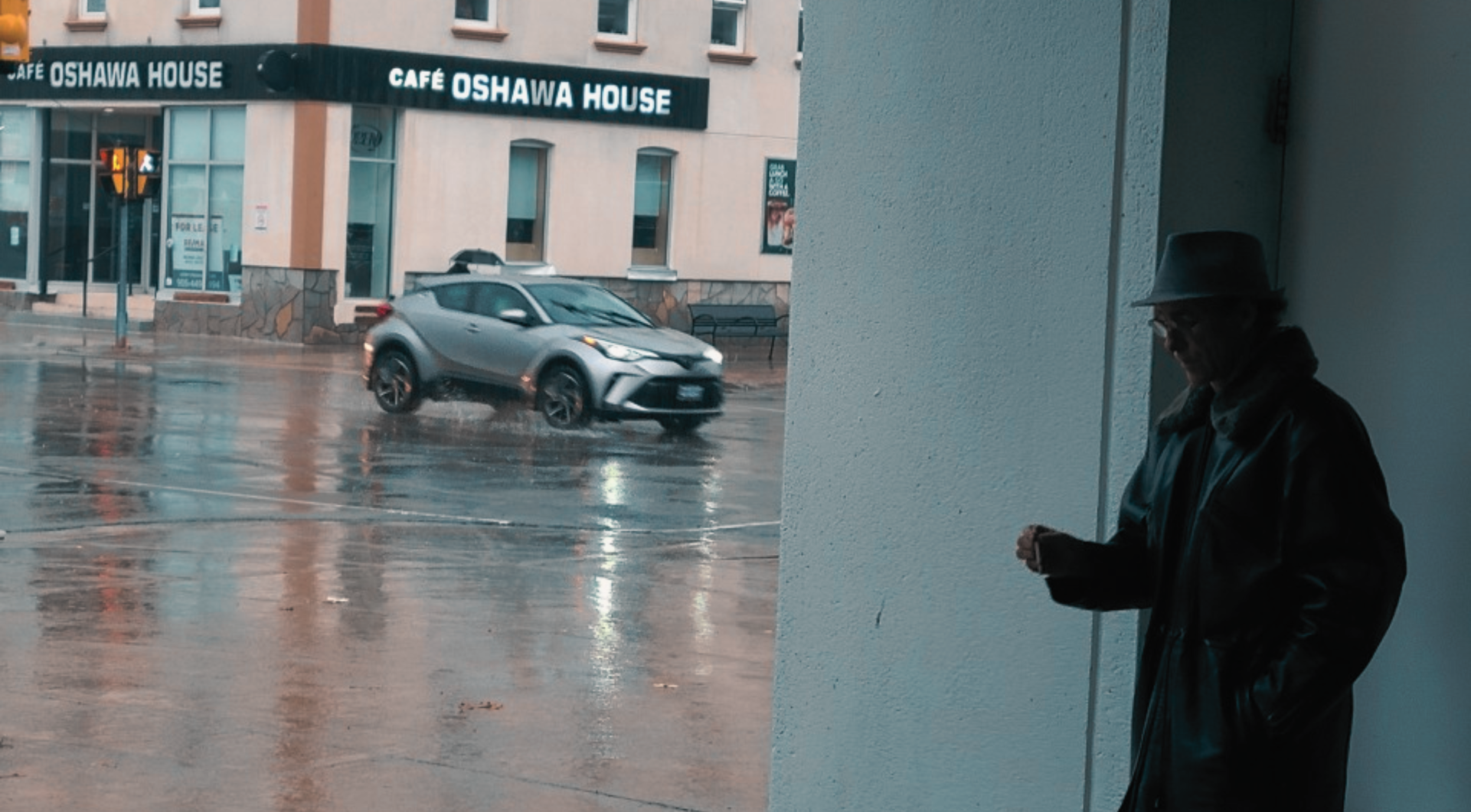
There's a photograph I keep coming back to. It's a dreary, rain-slicked shot of the old Oshawa House. The signage is still up, but the lights are out. And there, taped to the glass with the kind of hopeless optimism only a commercial realtor can muster, is a For Lease sign. I took it the week after the doors were locked for good.
I'd poured a lot of coffee in that building. From the fall of 2023 until summer 2024, I was one of the baristas listening to Oshawa's daily symphony: the clatter of laptops, the gripes about the 401, and the quiet, sacred gossip that animates a downtown counter. When it closed, I felt that particular ache familiar to anyone who’s ever had a local haunt turn into a ghost.
It's a sentimental loyalty that fuels a hundred Facebook comment sections, but mostly, it's a sadness for the silence. But I've learned something about that building. It doesn't care about my nostalgia, and frankly, it's earned the right not to.
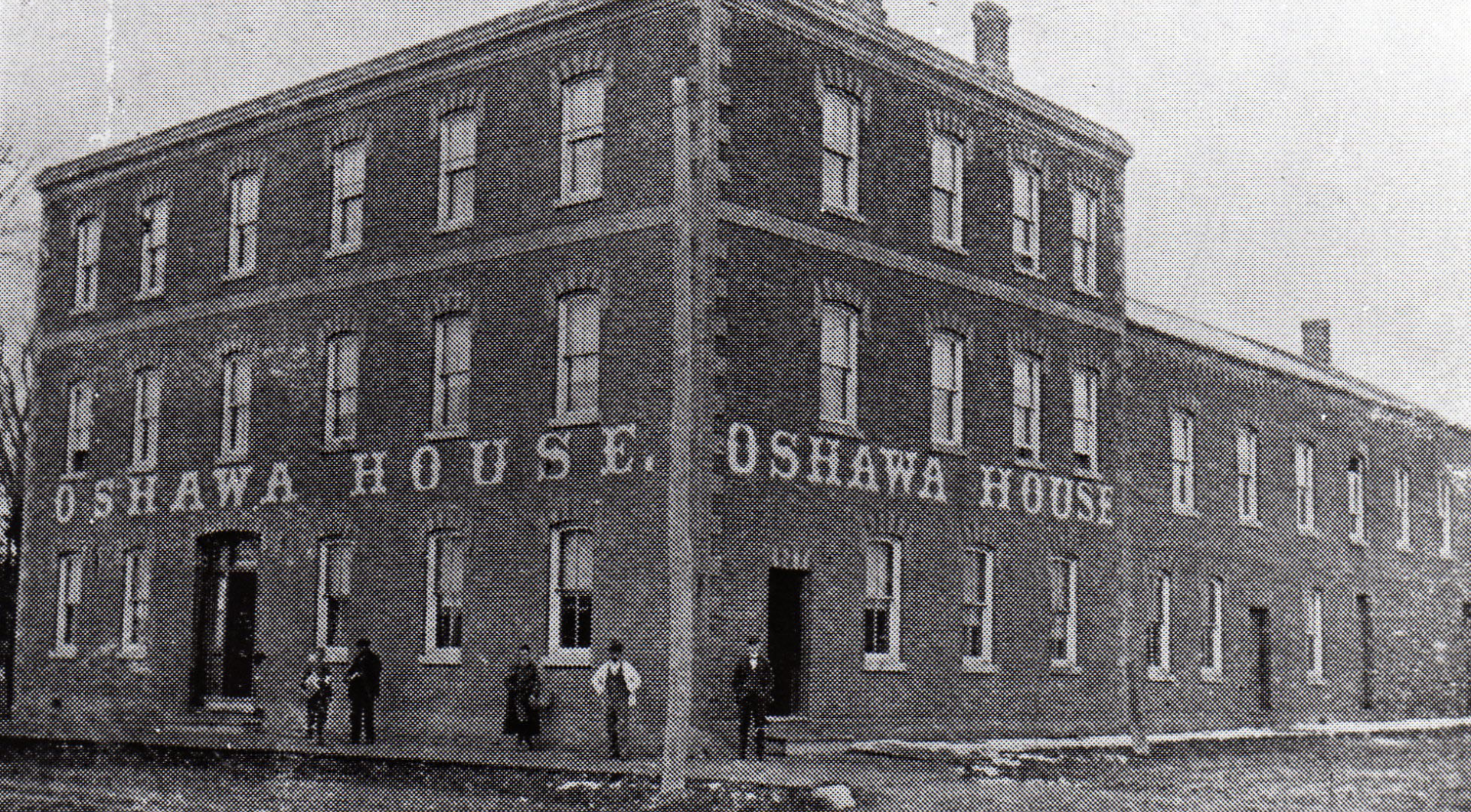

Because the funny thing is, the café is the least interesting chapter in the biography of that address. The real Oshawa House was built sometime around 1838, a handsome Italianate stack of bricks that was, for a time, the undisputed best tavern between Toronto and Kingston. In the 1840s, that was a marker of civilization.
Before politicians had council chambers to argue in, they had the meeting hall upstairs off Centre Street. Before Canada had a formal identity, we had a dollar-a-night room and a corner entrance (now filled in, a scar of changing traffic patterns) where stagecoach drivers and merchants walked off the mud of King Street.
This place was Canada before Canada finished becoming itself. It was part inn, part public square, part electrical marvel—fully lit while most of the province was still squinting by candlelight. The names on the deed changed like the seasons: Woon, McElroy, Lockhart, Hobbs.
The only constant was the building's stubborn refusal to fall. It survived the shift from horse to horsepower. It survived the post-war decline when the hotel rooms became walk-up apartments. And it survived the 21st-century pivot to oat milk and WiFi. For a brief, beautiful moment, it was my place of work. Then it wasn't.
When I walked past with my camera that afternoon, the For Lease sign felt like a period at the end of a long sentence. But here's the thing about this country of ours: we don't end with periods. We just start new paragraphs.
That photograph is already out of date.
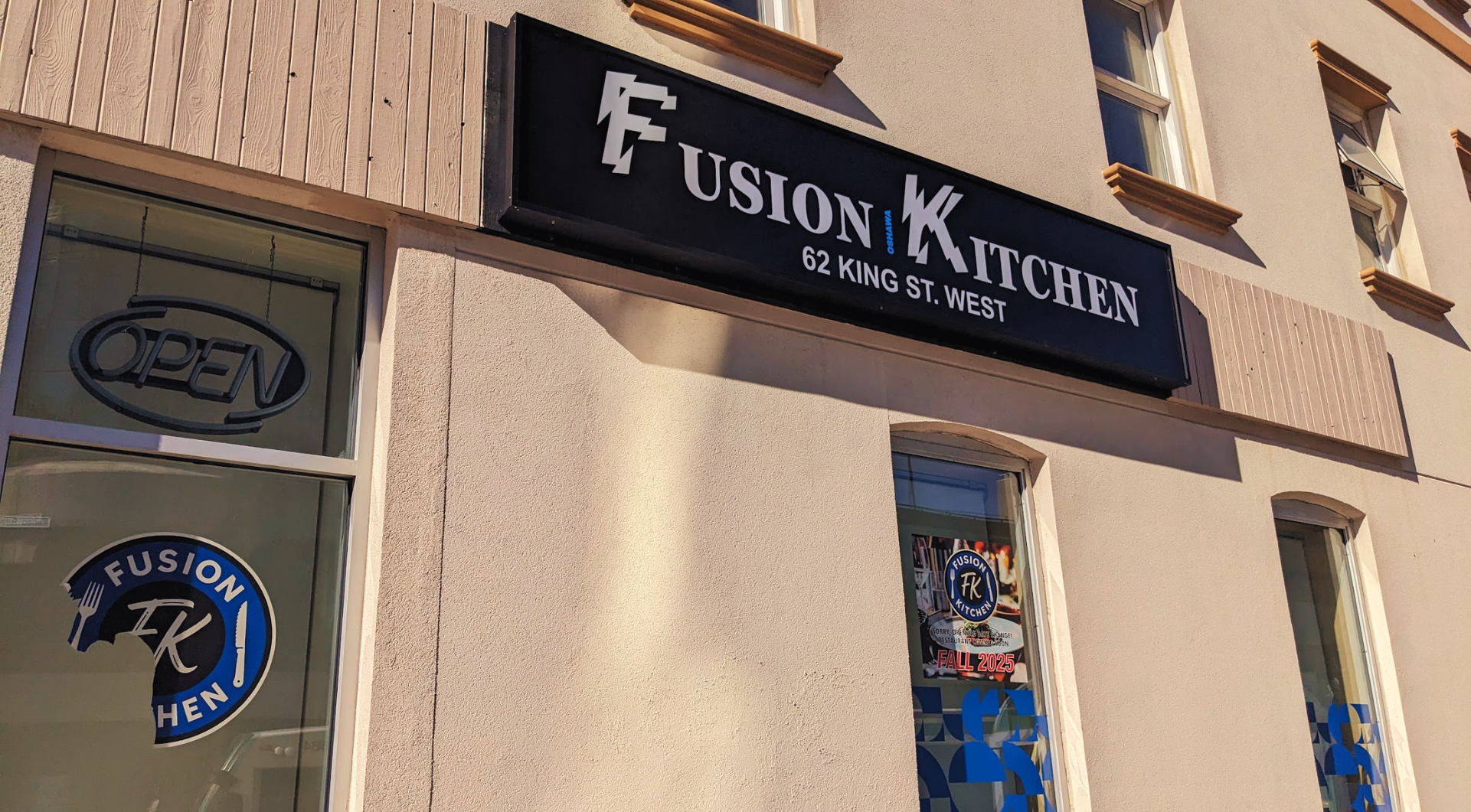
I'm happy to report that the lights are back on. The space is now home to Fusion Kitchen. And full disclosure: Chef Jaylen is a good friend. He's the kind of guy who puts his head down and works, the kind of guy who deals with the bureaucratic headaches and infrastructure limbo that would make a lesser entrepreneur throw his tongs in the air and walk away. The food? It's delicious—the kind of bold, no-nonsense cooking that a building erected during the beginning of confederation deserves. It's the next act.
And that's the hopeful, stubborn truth of the Oshawa House: it's the story of this entire nation, compressed into one corner lot.
We are not static monuments. We mutate. We host phases. Everyone who walks through that door imagines their chapter is the definitive one. The tavern keeper thought it was his. I thought it was mine. Chef Jaylen might think it's his. We're all wrong.
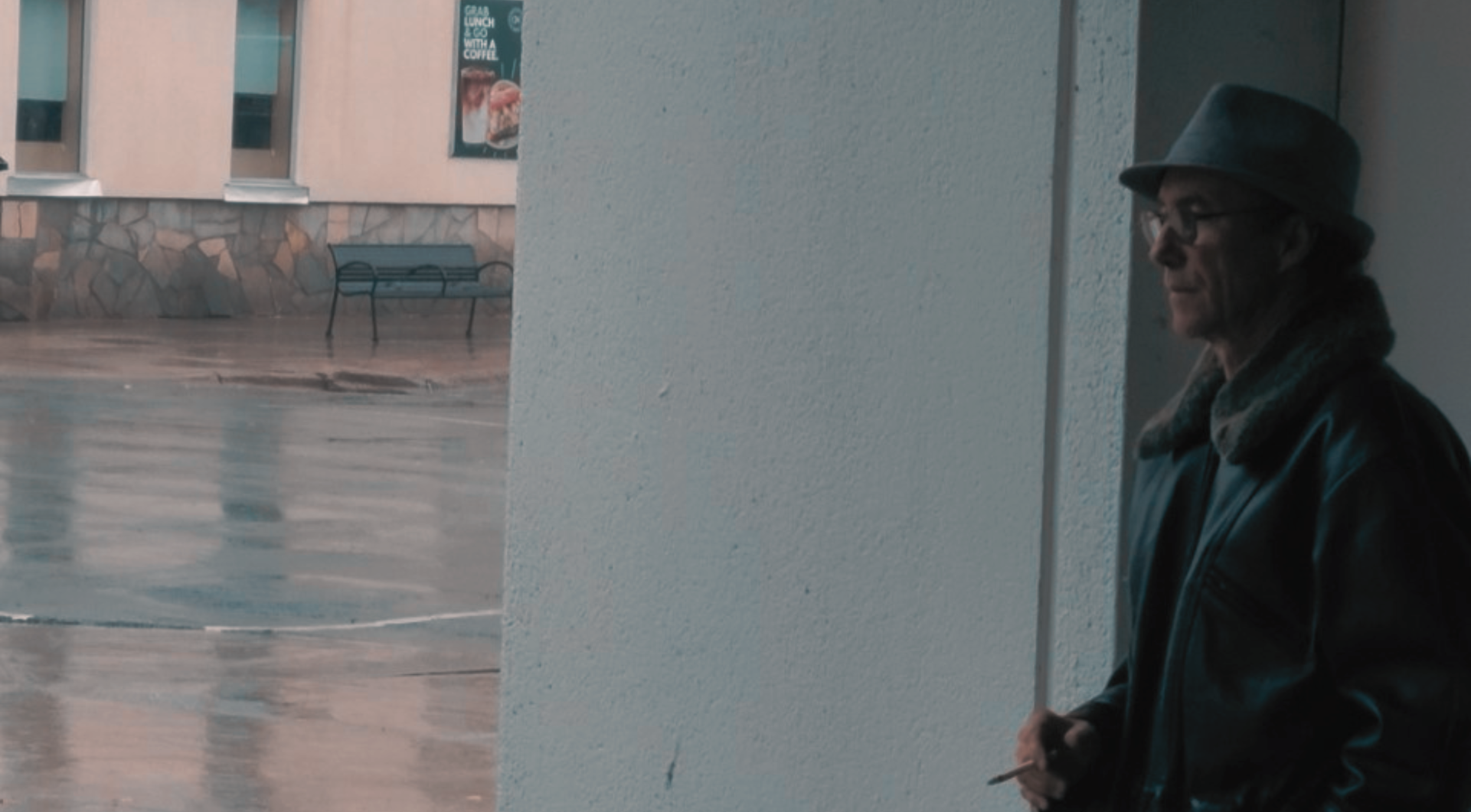
The building communicates something deeper than any of our business plans. It says: I've heard your complaints about downtown, about the economy, about the kids these days. I was here before the complaints started, and I'll be standing long after they've faded into the hum of the 401.
It matters that Fusion Kitchen succeeds. Not just for Jaylen's sake, but for the sake of the bricks themselves. We can't just celebrate historical façades while making it impossible for living people to build a life inside them.
So yes, I'll pour one out for the old café. But I'll raise a glass to what's cooking now. The Oshawa House is still doing what it has always done: giving the town a place to gather and figure out what it wants to be when it grows up. It's the story of Canada. And the story isn't over. It's just getting good again.
This piece is an archival work of the author, originally published elsewhere, and is presented here for historical record. The views expressed are solely those of the author and do not necessarily reflect the editorial position of the Provincial Times. Read our Content Policy here.

Comments