
ADAMS: What Avi Lewis’s Green New Deal gets wrong (and right) about Canada’s grid
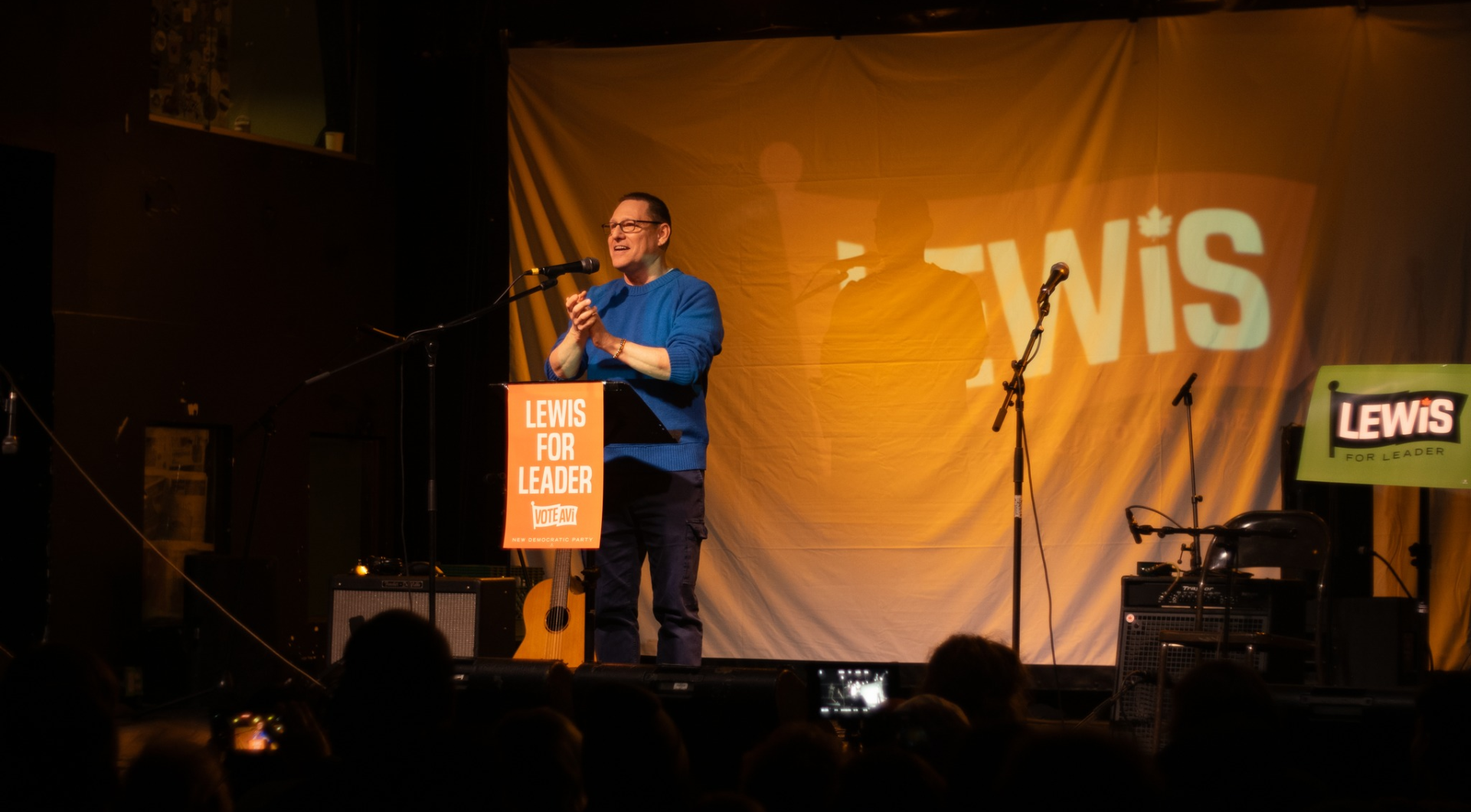
I met Avi Lewis at the Beaches—East York NDP campaign launch for the upcoming by-election. We talked for a good while, and the main focus of our 13-minute-long discussion was his Green New Deal agenda.
On paper, the plan is one of the more coherent climate-and-jobs packages the federal NDP has put forward in years. Instead of just leaving it at no new pipelines or LNG terminals, it promises front-loaded public money, protections for workers in fossil-dependent regions, public ownership of key technologies, and a serious attempt to link lower energy bills with lower emissions.
However, I asked him directly about what I felt to be a glaring omission: nuclear energy.
Lewis is no longer the 100% anti-nuclear voice of the Leap years. He said existing plants should stay online until they reach the end of their useful lives. He was clear: if an Ontario NDP or Alberta NDP government decided to put nuclear front and centre in their energy agenda, he will not stand in the way.
He said that the NDP is a democratic party and, as leader, he wants these tough discussions inside the party. He then thanked me for raising a local issue that matters to the community where I live and work.
For someone in Clarington, where Darlington sits, that carve-out matters a great deal. The federal platform can stay largely silent on nuclear as long as the provincial party retains the freedom to treat firm power as essential rather than optional. I could live with that arrangement even if I do not prefer it.
However, the rest of our conversation showed the old preferences still running underneath.
Lewis framed the Darlington SMR project as a Ford PC handout for untested private technology, which is a daring assertion that ignores key facts. OPG operates as a Crown corporation, and the project's capital structure combines significant public funding with a First Nations equity stake.
Construction has started, and the simplified boiling-water reactor design is already navigating an advanced regulatory pathway. High costs and first-of-a-kind risk are fair criticisms for any project, but claiming this project is private-sector favouritism sounds like a talking point based on incomplete information.
On heavy trucks, the same pattern appeared. I raised the practical limits of battery-electric vehicles for long-haul freight, and I suggested blue hydrogen as a bridge while green hydrogen scales, using the natural gas we already have with carbon capture, which would make the transition go smoother.
Lewis called hydrogen expensive and said EV trucks will get better over time. Both statements can be true, but waiting for the preferred technology to improve rather than building parallel infrastructure for the duty cycles batteries currently struggle with is an ideological choice, not an evidence-based one.
Lewis cited California as proof that weather and intermittency problems have been solved. Progress there is real, but it is not a template for Ontario winters or northern communities under polar night. California still leans on imports and gas for firming, and even if it didn't, their demand shape and climate are not ours.
The Green New Deal promises more than a million good union jobs. Construction of wind and solar can and should be unionized, so I think that's welcome. But ongoing operations and maintenance pay less, on average, than the oil and gas sector. Nuclear facilities, however, can support high-skill, long-term employment for generations. Keeping the existing fleet running and adding new capacity creates more of those jobs. Ignoring that reality while celebrating the jobs numbers in the plan is selective.
I think the federal NDP should change its mind, and that any serious decarbonization strategy must put nuclear in the centre. Firm, high-capacity-factor, low-carbon power is not optional in a country that freezes & pairing it with wind and solar is the combination that actually delivers reliability without gas backup.
SMRs for remote and northern communities make sense on engineering grounds, not ideological ones. The provincial carve-out Lewis offered is a practical compromise that I can tolerate, but does not make the issues with this underlying preferences disappear.
Our conversation did not convert me, but it did show that Lewis is more willing to live with provincial pragmatism than the written document alone suggested. That distinction is worth registering. On existing nuclear and on leaving Ontario room to choose, he drew a clearer line than I expected.
On everything else—the faith that batteries and better EVs will solve the hard cases, the dismissal of a local public project as private excess, the California analogy—they are still preferences, and Canada's winters and Ontario's power grid do not care about them.
This piece was written by an individual contributor and reflects the editorial position of The Provincial Times. Read our Content Policy here.

Comments