
Carney walks away from U.S. trade talks, matching tariffs after last-minute collapse
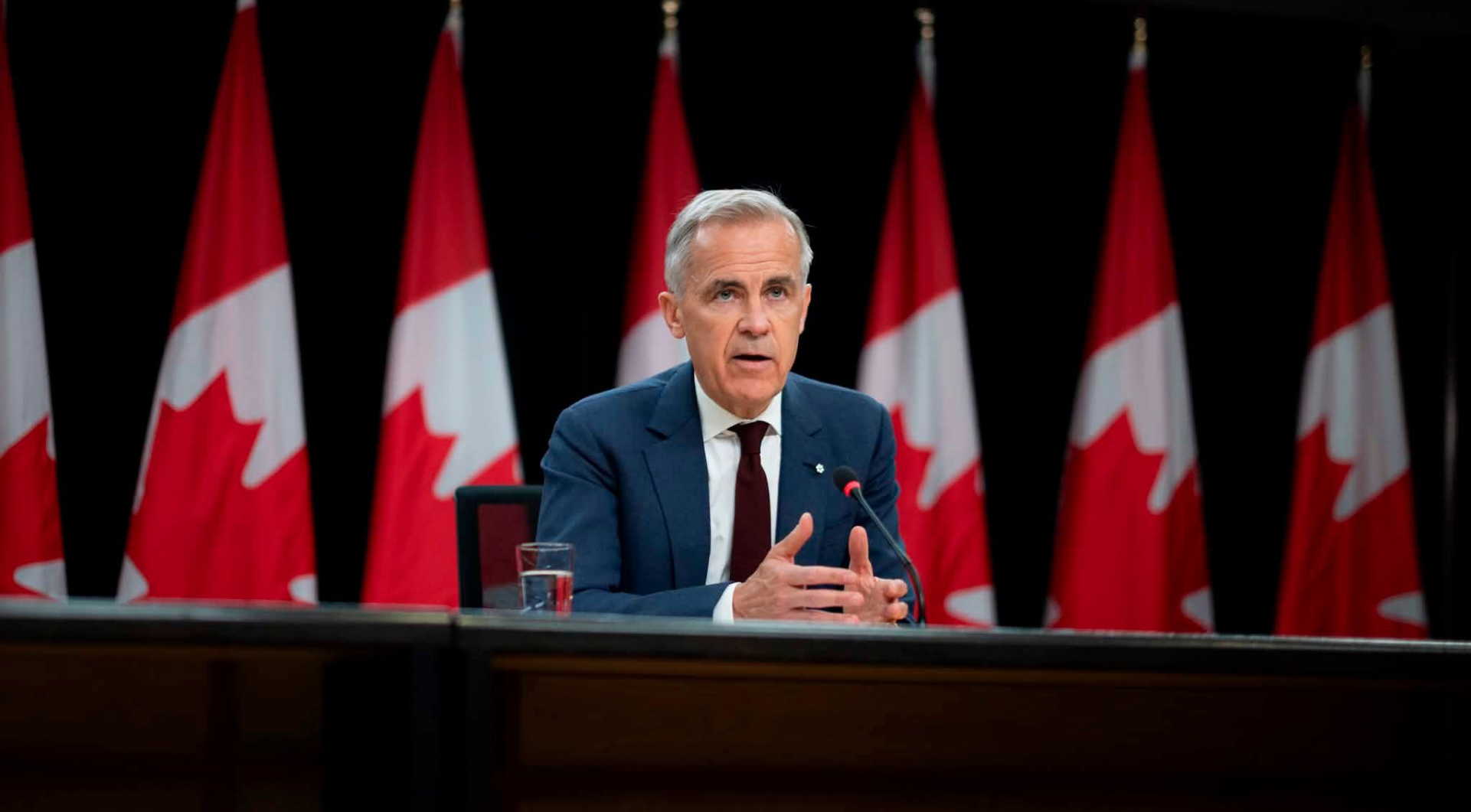
Prime Minister Mark Carney has suspended trade negotiations with the United States, directing negotiators back to Ottawa just minutes before a midnight deadline that triggered 50% American tariffs on roughly $28-billion worth of Canadian goods Friday. Canada will match those levies dollar for dollar, with further support for workers and businesses on top of the $25-billion already spent over the past 18 months.
The decision came after what Carney described as “important progress” that nonetheless fell short of Canada's objectives. Last-minute changes from the American side, he argued, were “unfair, uneconomic, and called into question the reliability of any deal.” U.S. Trade Representative Jamieson Greer countered that Canada had walked away from terms that would have “given the best treatment of any major exporter.”
Only in the formal statement did Carney publicly set out his objectives for the first time.
Carney's goals were fivefold: preserve tariff-free access for the vast majority of Canadian businesses, provide greater stability, significantly reduce U.S. tariffs on key strategic industries so Canadian firms, protect small and medium-sized enterprises by removing the threat of new tariffs, and maintain Canada's independence and sovereignty.
What was notably absent from this statement was any ambition to deepen economic integration with the United States. During the 2025 election campaign, Carney repeatedly declared that the old relationship—built on steadily deepening integration of the two economies—was “over.” He framed the trade war as both a tragedy and an opportunity to build strength at home and diversify partnerships abroad. Friday's focus remained defensive and selective rather than expansive, consistent with that earlier framing.
In the days leading up to the collapse, Carney had shown a willingness to lean on the premiers in pursuit of a deal, having asked provinces to restock American alcohol on store shelves and to scrub procurement policies that excluded U.S. suppliers. Premiers reported the request came directly out of the negotiating table, with several having signalled readiness to comply if a final agreement materialized.
That political capital was spent for nothing, and it was not the first concession.
Canada had already agreed to share half the net revenues from the Gordie Howe International Bridge with a U.S.-controlled economic development fund for 15 years, even though Ottawa had financed the entire project. Key contribution requirements under the Online Streaming Act were put on ice, and reports have circulated that the Online News Act itself was on the table.
In each case, Canadian concessions were made without clear, matching American concessions in return.
The political cost to Carney is likely to be limited; public opinion remains broadly supportive of a firm stance against American pressure, and the Carney Liberal's parallel narrative of accelerating domestic investment and expanding non-U.S. export markets provides ready cover. Carney's statement closed noting nearly $500-billion in infrastructure projects underway, preferential access already secured to 1.5 billion consumers and a trajectory to double it, and an economy creating jobs four times faster than the United States.
The tariffs are now in force. Negotiators are home. The premieres' shelves may stay empty of American whiskey a while longer. And the Prime Minister who once told Canadians the old relationship was finished has, for the moment, chosen to live by that diagnosis.

Comments