
EDITORIAL: We don’t need the King of Canada on our twenties
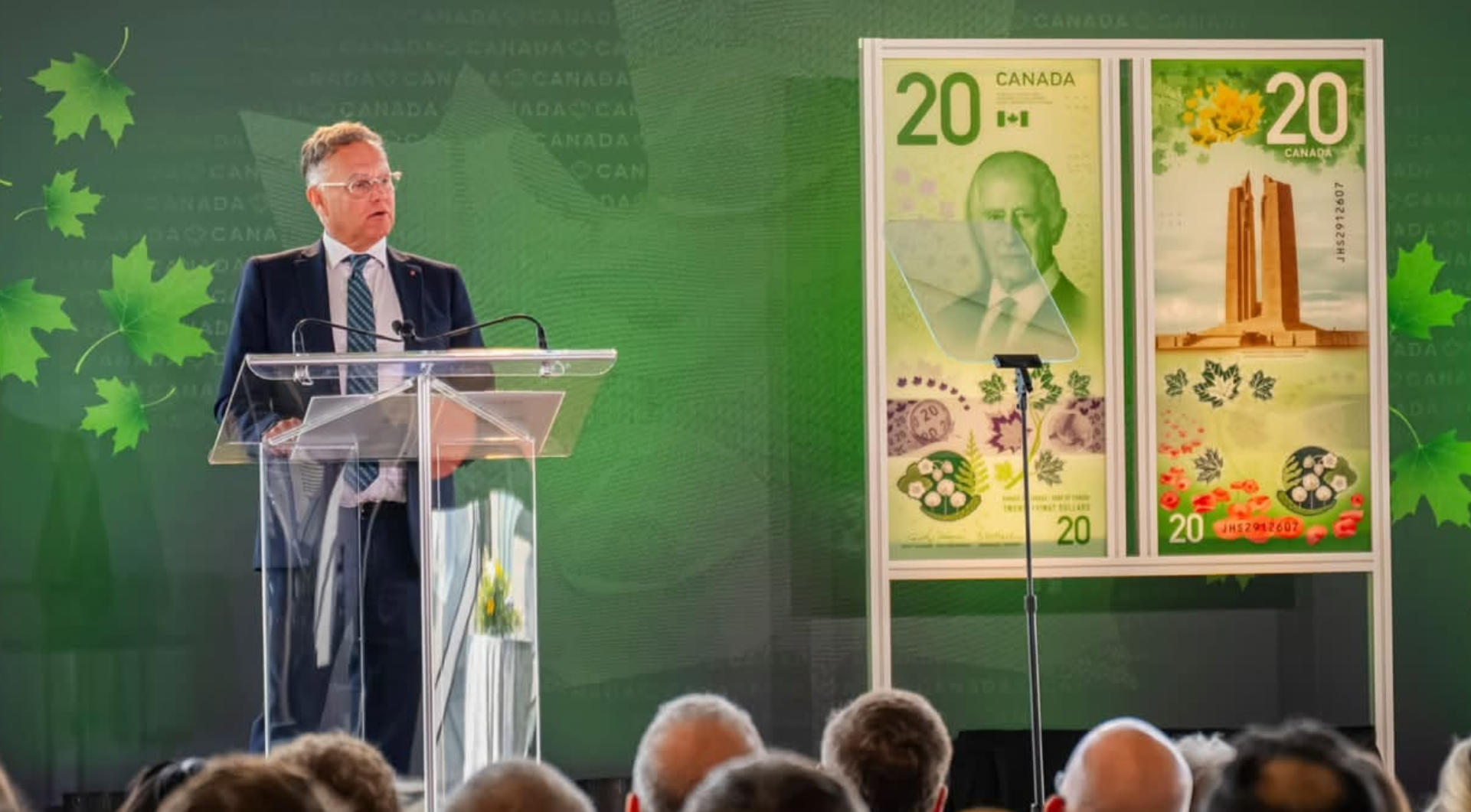
Canadians woke up this week to the official unveiling of a new vertical $20 bill. The Bank of Canada rolled it out with the usual fanfare, floral tapestries, Vimy Memorial on the back, and a portrait of King Charles III staring back at us. It will hit our wallets in early 2027. We’re told it’s striking, secure, and steeped in tradition.
This is the first Canadian banknote to feature King Charles III, and the first time a new monarch has appeared on the $20 in more than seven decades. The Bank and the government frame it as honouring our constitutional roots and Commonwealth ties. Yet for a growing number of Canadians, especially younger ones, it feels like a step backward at exactly the wrong moment.
Polls in recent years have shown the same pattern: support for keeping the monarchy as our head of state sits well below a majority. Large shares of the public say they are indifferent or would prefer an elected head of state. The gap is widest among people under 40. That is not a fringe view. It is the lived reality of a country that has changed dramatically since the last time a new face went on the twenty.
In December 2024, the government announced that Terry Fox would appear on the next $5 note. Officials say the twenty is the workhorse denomination and needed the security upgrade sooner. Fair enough on the logistics, but an iconic Canadian who ran across the country on one leg, raising millions for cancer research and uniting people in a way few ever have, is required to wait while a hereditary monarch who lives an ocean away gets priority. That choice sends a message about who we think belongs on our money.
We have already shown we can do better.
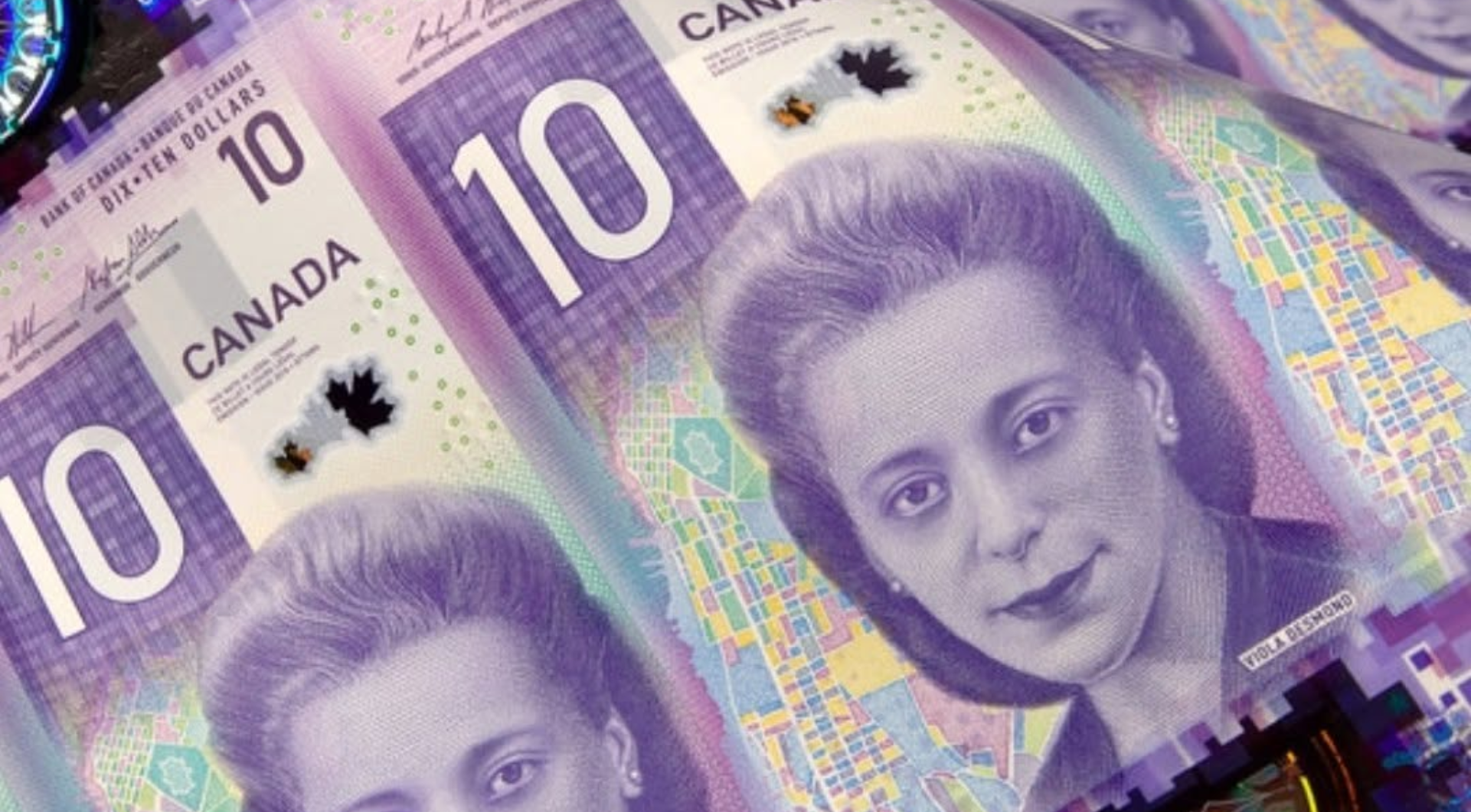
Taking John A. Macdonald off the $10 bill and putting Viola Desmond on it was no accident. They swapped out a long-dead prime minister for a Black civil-rights pioneer who wouldn’t put up with second-class treatment in her own country. There were public nominations and an advisory panel involved, and the whole thing was meant to say something about the Canada we’re trying to be, not just the one we got handed.
Putting Charles on the $20 reverses that impulse. Justfiying it with “this is the way we’ve always done it” is the textbook definition of arguing from tradition rather than answering the practical question of whether or not this arrangement still serves the country.
The taxpayer-funded royal visits do not come cheap, either. A single overnight trip to Ottawa last year ran into the millions when you add security, air force flyovers, and logistics; and that’s before you take into consideration how the broader apparatus of the Crown adds tens of millions more each year.
Defenders say the per-person figure is small and that most of the money stays in Canada funding vice-regal work, but they ignore how Canadians who disagree with this arrangement see tax dollars that could go to hospitals, housing, or transit instead of pageantry. Working-class Canadians notice when they are told there is never enough money for basic public services while the motorcade rolls through.
Continuity for continuity’s sake is not an argument.
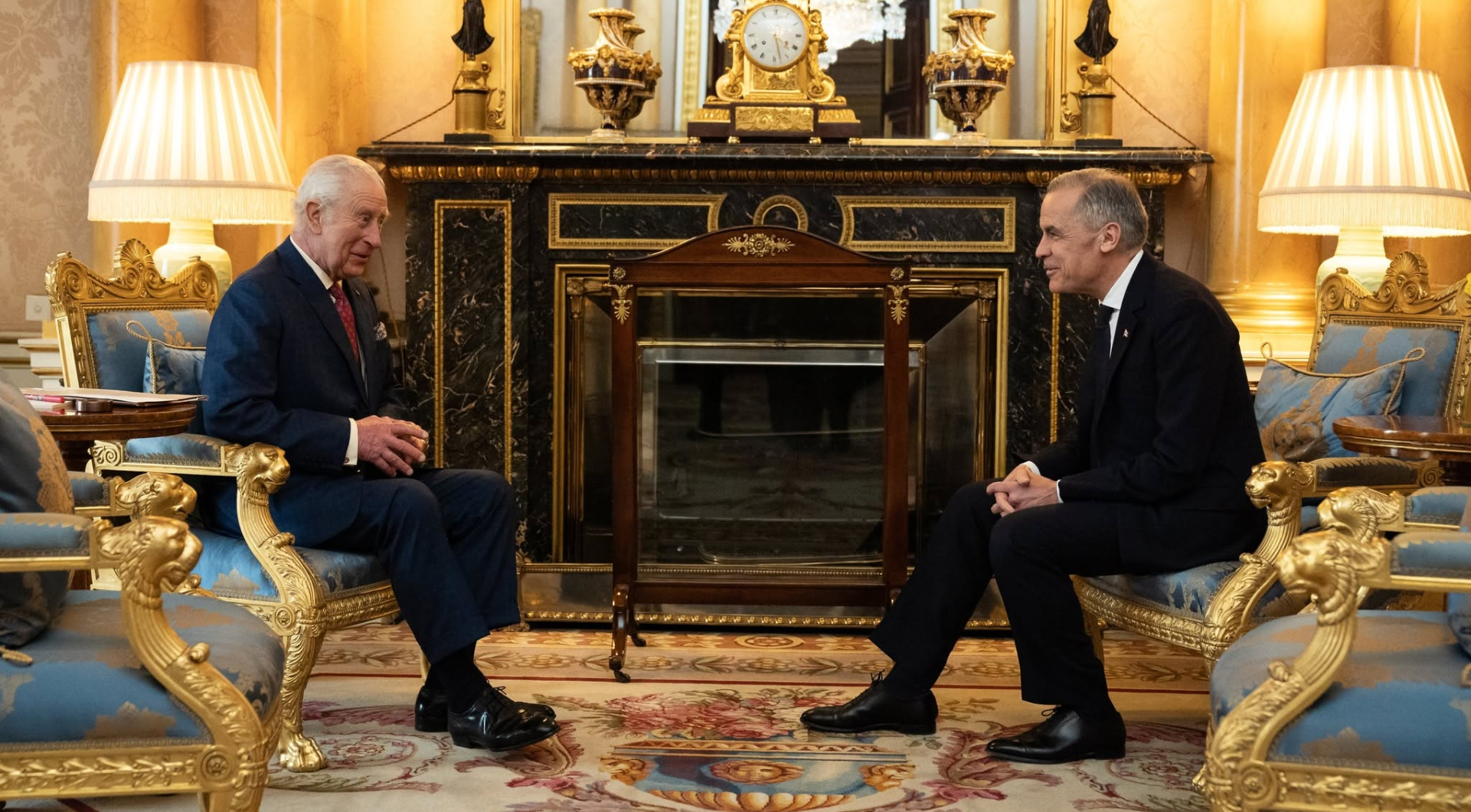
Constitutional monarchies are supposed to separate the person from the office, yet the office still sits at the top of our system. When a large and growing share of citizens feel no connection to it, and when the institution carries the weight of historical policies many now reject–residential schools being the most painful example in recent memory–pretending otherwise becomes harder to justify.
Canada is not the country it was half a century ago. We can keep the Vimy Memorial on the reverse of the bill and the maple leaves and the security features, but we do not need to keep pretending that a distant hereditary sovereign is the natural face of modern Canada. Other countries with parliamentary systems function perfectly well with elected or appointed heads of state. Italy does. So do many others.
The new $20 will circulate. Most people will spend it without a second thought. But the decision behind it reveals a gap between the symbols our institutions still reach for and the country Canadians actually live in. Terry Fox’s $5 is coming. It should have been first. And the larger conversation about who speaks for Canada, and whose face belongs on its money, is not going away.
This piece was written and published by The Provincial Times Editorial Board and reflects the editorial position of The Provincial Times. Read our Content Policy here.

Comments