
National Post columnist blames Doug Ford for collapse of Canada-U.S. trade deal
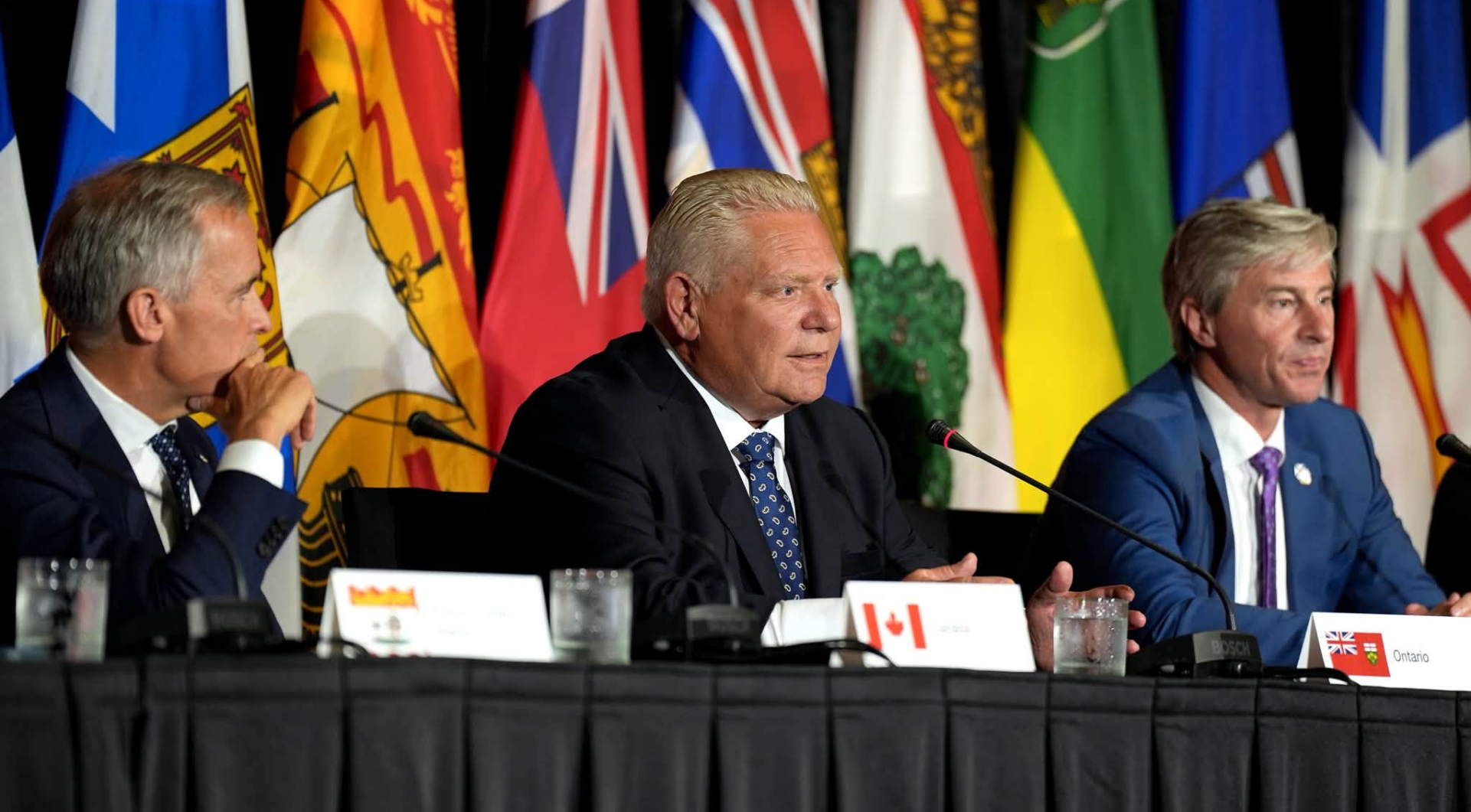
A senior National Post columnist is arguing that Ontario Premier Doug Ford effectively killed a potential Canada-U.S. trade agreement by rejecting its terms, leaving the Canadian auto sector exposed to what he calls catastrophic tariffs. In a column published this week, John Ivison wrote that the trade war with the United States “had better be resolved by the end of this year.”
If not, President Donald Trump has pledged to raise tariffs on Canadian autos to 50% on New Year's Day. That level of duty, Ivison warns, “will kill the industry north of the border.”
Ivison walks through competing accounts of what sank trade talks with the United States. The core of this dispute centres on Washington's demand for a minimum 15% on Canadian vehicles, down from the current 25%. Multiple sources told the columnist that negotiators on both sides reached a deal in principle, only for it to collapse as it became clear Premier Ford found that rate unacceptable and would not support it.
“We really pulled out because Ford was not on board,” one Canadian official told Ivison. The premier himself later confirmed that talks stopped after he told Prime Minister Mark Carney the proposal was “a terrible deal for Canada.”
U.S. Commerce Secretary Howard Lutnick and Trade Representative Jamieson Greer blamed Canadian negotiators for last-minute changes. Canadian officials, including chief negotiator Janice Charette, said medium-and heavy-duty trucks had been part of the discussion all along and that the Americans raised cultural and sovereignty issues late in the process. Carney also publicly highlighted U.S. language around discoverability rules for French-language content on streaming platforms and possible constraints on Canada's future trade agreements.
Ivison dismisses those points as secondary, writing the Netflix issue was “clearly not a deal-breaker” for the American side and arguing the sovereignty concerns over steel were already largely addressed in the 2018 CUSMA agreement. The real obstacle was autos.
Even a 15%, once U.S. content is exempted, would still amount to an effective levy of roughly 7.5% about equal to the typical profit margin on a vehicle. Over time, Ivison suggests, that pressure would push production south. He points to Toyota's plans to expand its San Antonio plant and Honda's consideration of a new U.S. facility as early signs of that shift. The only way Canadian plants could remain competitive would be if Canadian and Mexican content were also exempted, dropping the effective rate closer to 1.5% to 3%.
Trump's stated goal of reshoring auto production makes that outcome unlikely.
Pressure building on both sides of the border
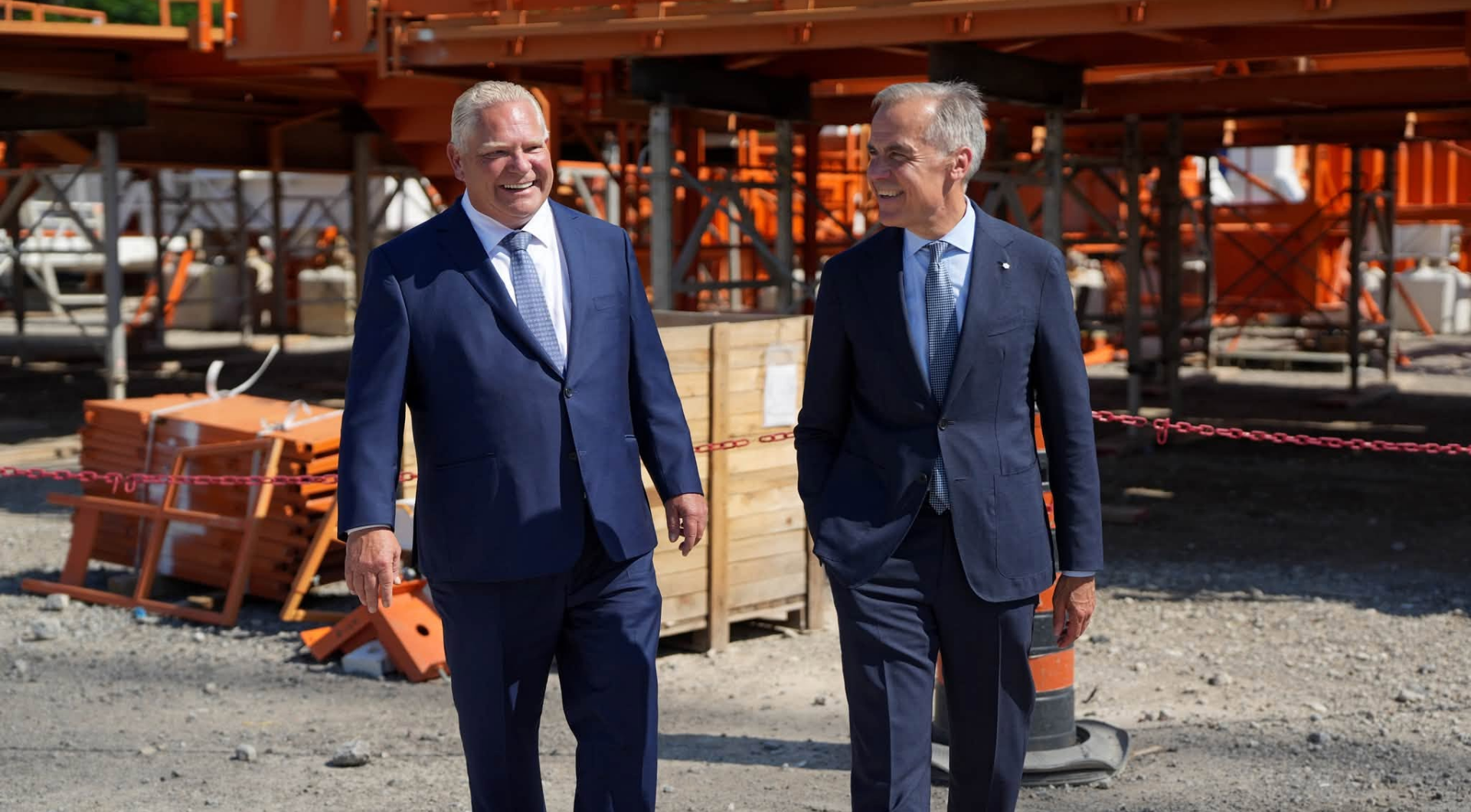
Both Ford and Carney have seen political gains from the breakdown; recent polls show Ford's Progressive Conservatives rising against the Ontario Liberals and the Carney Liberals gaining ground on the Poilievre Conservatives. Yet the economic costs are already appearing. Ivison cites the planned closure of RYAM's paperboard plant in Temiscaming, Que., which will eliminate 425 jobs because of the tariffs.
American consumers face higher prices, and some members of Congress and state governors are expressing concern, including President Trump's preferred candidate for Federal Reserve chair warning that inflation remains too high. Those factors could push the president toward a deal before the midterm elections. Ivison is skeptical, however, that any new offer would improve on the one Carney once described as “a good deal, if not perfect.”
The column arrives as the Conservative Party of Canada has already called for Parliament to reconvene. If that were to happen, the Carney Liberals would almost certainly face questions about whether a deal the elected prime minister believed was workable was abandoned because one province refused to accept the consequences for a single industry.
Ivison frames the choice facing Ford in stark terms: either risk the gradual erosion of Ontario's auto sector or confront the possibility of its sudden collapse if 50% tariffs take effect on Jan. 1, 2027.
The columnist does not claim a new agreement is impossible. He simply argues that the current path—shaped by Ford's hard line—leaves Canada with fewer options and a steeper price if talks remain stalled.

Comments